Martinsville Speedway: The Heartbeat of NASCAR's Tradition
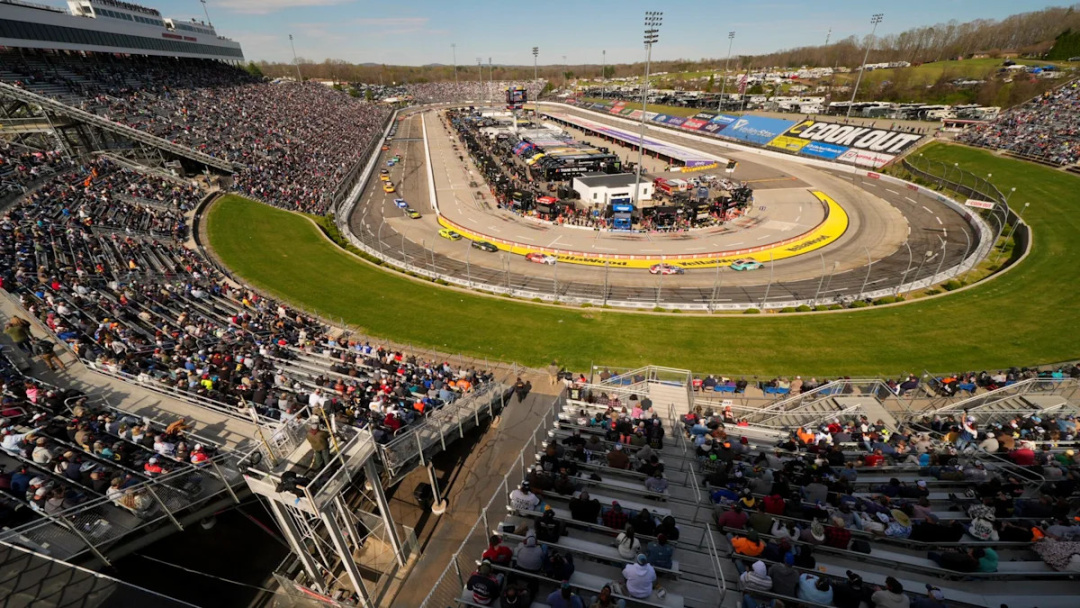
MARTINSVILLE, Va. — NASCAR has undergone significant transformations since its inception, with faster cars, advanced technology, and a revamped schedule. Yet, amidst these changes, Martinsville Speedway retains its unique charm and identity. This Virginia short track has been a staple of NASCAR's premier series since its inception in 1949, featuring a distinctive 0.526-mile layout that presents a unique challenge for drivers. The famous grandfather clock trophy awarded to winners is one of the sport's most recognizable symbols, further solidifying Martinsville's place in racing lore.
Martinsville is not merely another stop on the NASCAR circuit; it serves as a living reminder of the traditions that have shaped the sport and the experiences that keep fans coming back year after year. Founded by H. Clay Earles, the speedway opened its doors on September 7, 1947, originally as a dirt track. The arrival of NASCAR's premier series in 1949 marked the beginning of a storied history, with Red Byron claiming victory in the first event held there. The track was paved in 1955, but its fundamental configuration has remained unchanged, preserving the character that distinguishes Martinsville from larger venues.
Gear for the Game
Sponsor success. Continue reading:
At just over half a mile, the track offers little room for drivers to maneuver, leading to tight racing and frequent contact. The long straightaways transition into flat corners, creating limited passing opportunities. This unique setup demands a different kind of discipline from drivers, who must manage their equipment and navigate traffic while maintaining their composure. The combination of these factors has resulted in decades of memorable racing moments, ensuring that Martinsville's identity endures even as NASCAR evolves.
Winning at Martinsville is particularly special due to the grandfather clock trophy, introduced in 1964. Earles envisioned a distinctive prize for race winners, and the clocks, originally made by Ridgeway Clocks, became synonymous with the speedway. For drivers, taking home a grandfather clock signifies joining an elite group of Martinsville winners, while for fans, it serves as a reminder of the rich traditions that cannot be replicated at newer facilities.
The iconic all-the-way hot dog tradition
Another hallmark of Martinsville is its famous hot dog, a beloved concession item that has become a staple of the race weekend experience. Served with chili, slaw, onions, and mustard, the all-the-way hot dog is a must-try for anyone attending a race. The hot dog stand, located near the start-finish line, has a history intertwined with the speedway's early days, when Earles aimed to provide fans with a unique culinary option. Over the years, the hot dog has become a cherished tradition, with crew members and fans alike keeping track of how many they consume during race weekends.
Martinsville's legacy in NASCAR's future
As discussions about NASCAR's future continue, with new markets and venues on the horizon, the importance of preserving tracks like Martinsville cannot be overstated. The speedway connects contemporary NASCAR with the traditions and people that built it. Fans can witness modern Cup Series drivers racing on the same layout that challenged racing legends of the past. They can see the grandfather clock awarded in Victory Lane and enjoy the same hot dog that has become part of the track's identity.
Martinsville does not need to be the largest track on the schedule or constantly reinvent itself. Its allure lies in its authenticity and the rich history it represents. The paperclip shape, the close-quarters racing, the grandfather clocks, and the hot dogs all contribute to a narrative that resonates with NASCAR fans who appreciate the sport's roots. For those who leave Martinsville without indulging in an all-the-way hot dog, it’s safe to say they missed out on a quintessential race weekend experience.