Infantino's bid for a fourth term faces legal hurdles
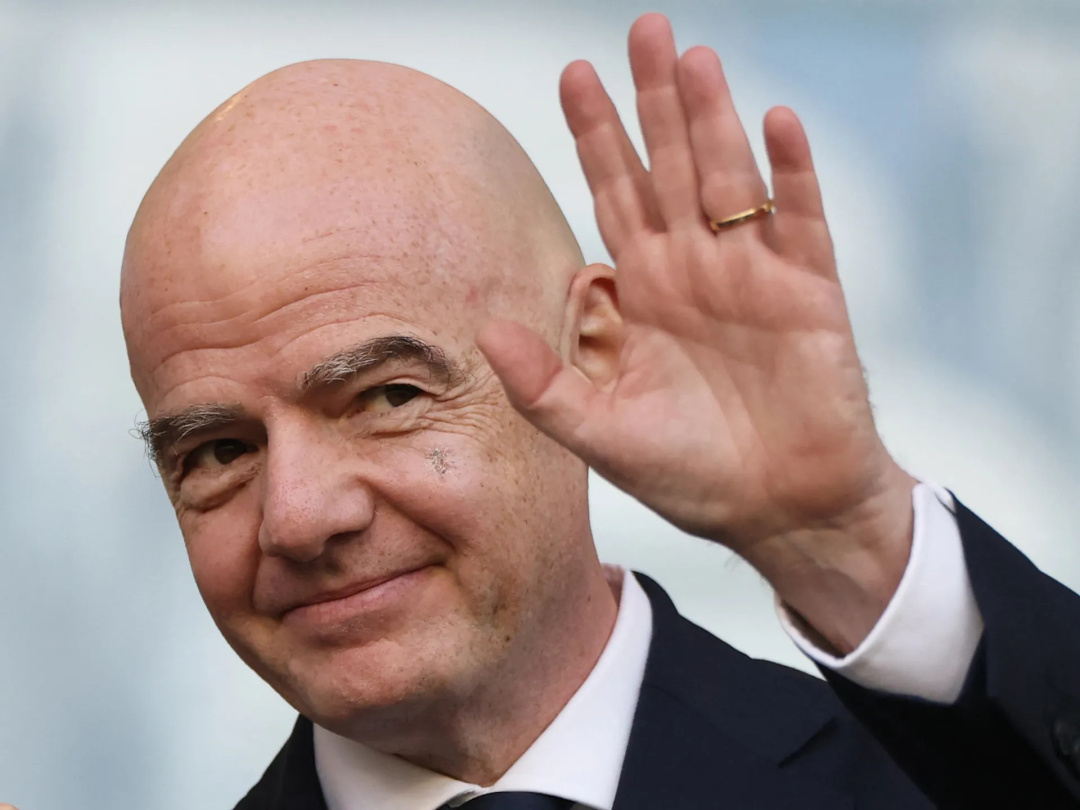
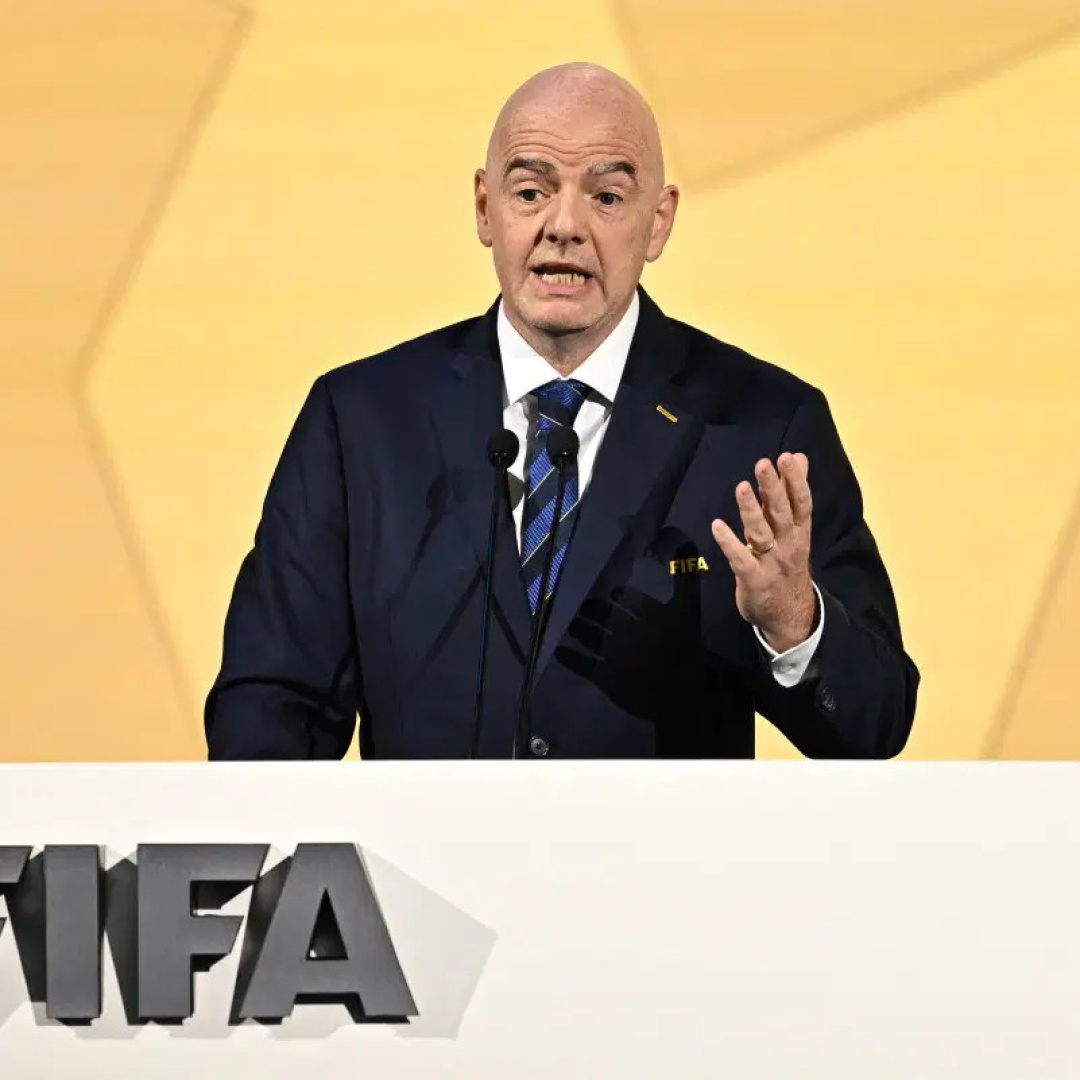
Gianni Infantino's ambition for a fourth term as FIFA president in 2027 is under serious scrutiny, as Miguel Maduro, the former head of FIFA's governance committee, insists that the current statutes prohibit such a move. According to Maduro, Article 33, paragraph two of FIFA's statutes explicitly states that no individual may serve as president for more than three terms. Infantino has already been elected three times, which Maduro argues leaves no room for interpretation regarding his eligibility for another term.
Maduro's comments come at a critical juncture, just two weeks before FIFA's deadline for presidential candidacies ahead of the election scheduled for March 2027. The urgency of the situation is compounded by the advocacy of human rights organization FairSquare, which has reached out to FIFA member associations urging them to declare Infantino ineligible. FairSquare contends that Infantino's previous terms should count towards the limit, arguing that he has already served the maximum allowed under FIFA's rules.
Gear for the Game
Sponsor success. Continue reading:
The controversy stems from Infantino's interpretation of his first term, which began in 2016 following Sepp Blatter's resignation. Infantino has maintained that this initial term should not be counted against the three-term limit because it was a continuation of an interrupted mandate. However, this reasoning has been met with skepticism, particularly since the FIFA Council had previously confirmed that the period from 2016 to 2019 does not constitute a full term. FairSquare has criticized FIFA for not publicly disclosing the rationale behind this decision, raising questions about transparency and governance.
Maduro, a Portuguese lawyer who was ousted from FIFA in 2017 after blocking a controversial re-election, argues that the language of the statute is unequivocal. He emphasizes that the provision does not differentiate between complete and incomplete terms, stating, "The text of the provision is clear; it talks about three terms. It makes no distinction on whether these terms are complete terms or incomplete terms."
FIFA governance faces critical scrutiny
As Infantino's re-election prospects appear to strengthen, particularly following endorsements from influential figures in Asian football, the governance framework within FIFA is facing increasing scrutiny. Maduro has pointed out that the current system lacks the necessary checks and balances to hold the president accountable, especially when interpretations of rules seem to favor the incumbent. He lamented the weakening independence of bodies meant to oversee presidential power, suggesting that the current climate allows Infantino to operate without adequate oversight.
The implications of Infantino's potential re-election
FairSquare's outreach to 52 member associations has yet to yield a response, but its director, Nicholas McGeehan, remains hopeful that associations like Norway's football federation, which has previously supported FairSquare's complaints against Infantino, will take a stand. McGeehan noted, "It can’t always be left to the Norwegians to insist on basic rules." Maduro's assertion that member associations are hesitant to act independently due to a "climate of fear" adds another layer of complexity to the ongoing debate about governance within FIFA.
As the deadline for candidacies approaches, the implications of Infantino's potential re-election extend beyond the confines of FIFA. The controversy surrounding his eligibility raises critical questions about governance, accountability, and the integrity of football's global governing body. If Infantino were to circumvent the term limits, it could set a troubling precedent for future leadership within FIFA, undermining the very statutes designed to ensure fair governance. The situation is a litmus test for FIFA's commitment to transparency and adherence to its own rules, and how it navigates this challenge will be closely watched by stakeholders across the footballing world.