Why Interlagos is a Must-See for F1 Fans
The Brazilian Grand Prix at Interlagos is a staple of the Formula 1 calendar, renowned for its ability to produce thrilling races and unforgettable moments. While many tracks have their own unique charm, Interlagos stands out for several compelling reasons that consistently make it a fan favorite.
First and foremost, Interlagos is one of the oldest tracks in Formula 1, having opened in 1940. Originally stretching nearly five miles, the current layout has been shortened to 2.677 miles, which has only intensified the action. This shorter configuration means that every lap is packed with excitement, as drivers navigate the narrow track with minimal run-off areas, making mistakes costly. The challenge of this layout has led to some of the most dramatic moments in F1 history, including Sebastian Vettel's 2012 championship clincher, which showcased his remarkable ability to recover from adversity.
Gear for the Game
Sponsor success. Continue reading:
The track's elevation changes also contribute to its allure. With a vertical drop of 140 feet, Interlagos is the third-most undulating circuit in modern Formula 1. This elevation creates a unique dynamic, especially at the start of the race, where drivers launch downhill into the first turn. The 2001 Brazilian Grand Prix exemplified this, as rookie Juan Pablo Montoya made a daring move to overtake Michael Schumacher, showcasing the track's potential for bold maneuvers.
Unpredictable weather tests driver skills
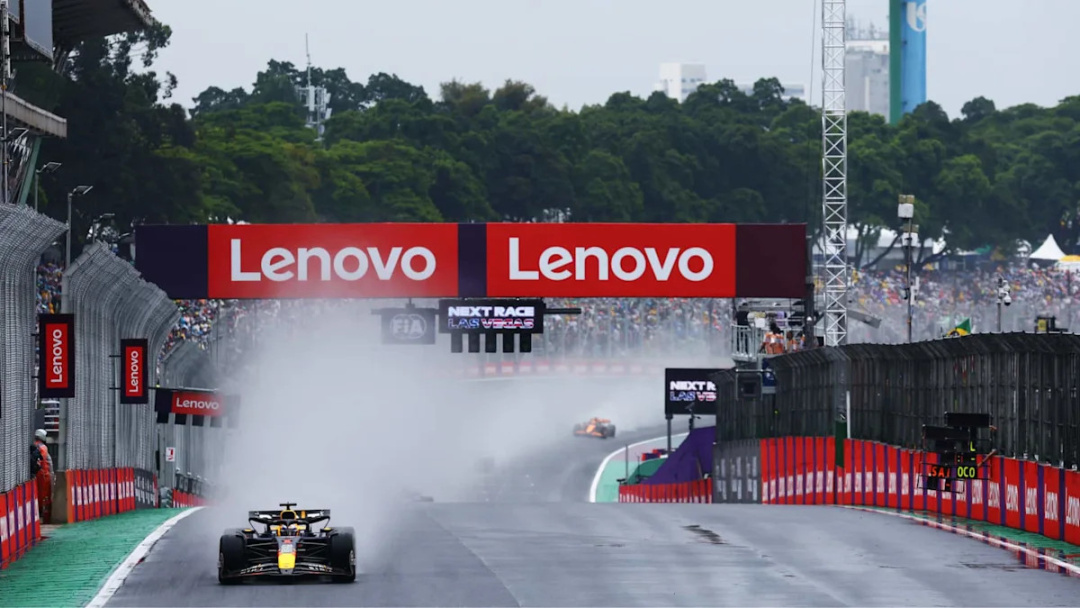
Weather conditions at Interlagos add another layer of unpredictability. The circuit's location on a plateau over 2,500 feet above sea level often leads to sudden rain showers, creating a challenging environment for drivers. The 2024 São Paulo Grand Prix highlighted this aspect, as Max Verstappen, starting from 17th due to a grid penalty, navigated the wet conditions masterfully to secure a stunning victory. Such performances underscore the importance of driver skill in challenging weather, making races at Interlagos particularly thrilling.
Interlagos: A historic F1 battleground
The timing of the Brazilian Grand Prix within the F1 calendar also enhances its significance. Traditionally held at the end of the season, it has often played a pivotal role in championship battles. Between 2005 and 2012, the race decided the championship six times, adding to its reputation as a high-stakes event. The passionate Brazilian fans further elevate the atmosphere, creating an electric environment that celebrates both local heroes and international stars.
In conclusion, Interlagos is not just a racetrack; it is a venue steeped in history, excitement, and unpredictability. Its unique characteristics—from the challenging layout and elevation changes to the ever-present threat of rain—combine to create a racing experience that is unmatched in Formula 1. As the Brazilian Grand Prix continues to be a highlight of the F1 calendar, it remains a testament to the thrilling nature of motorsport and the enduring passion of its fans.