Sam Darnold Highlights Rookie's Pay Cut After NIL Success
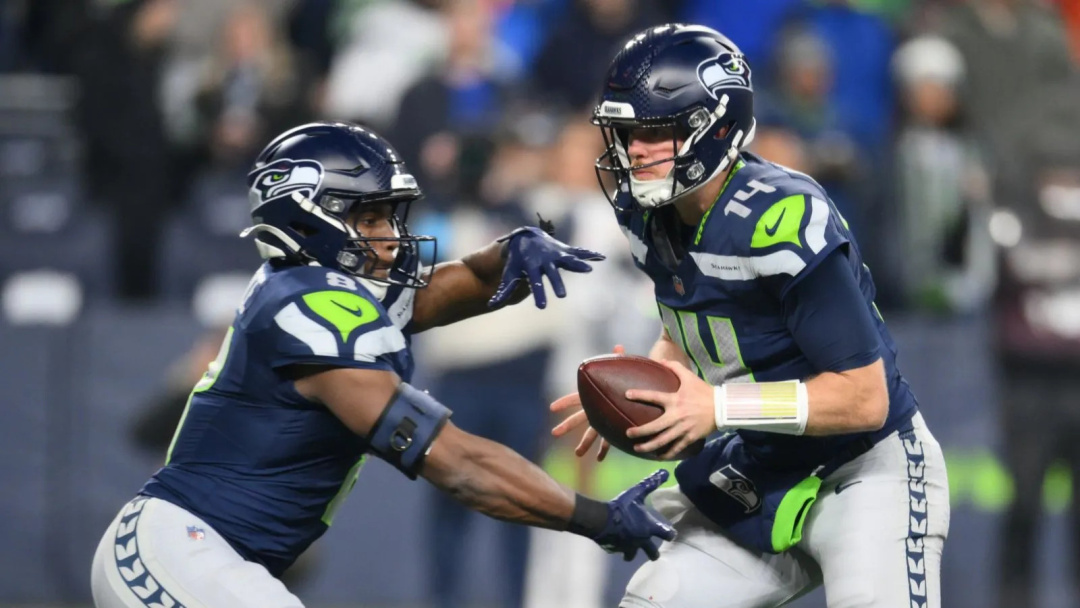
In a candid moment, Seattle Seahawks quarterback Sam Darnold shed light on the financial disparities faced by rookies entering the NFL. Following a recent loss to the Chicago Bears, Darnold reflected on a rookie teammate who took a substantial pay cut to join the league, having previously earned $800,000 through NIL deals in college.
The Seahawks, currently sitting at a 4-4 record this season, are the defending Super Bowl champions and are expected to contend for a playoff spot. However, the financial realities for some players are starkly different. Darnold recounted a rookie show where players shared their names, schools, signing bonuses, and NIL earnings. One rookie mentioned a meager $20,000 signing bonus, contrasting sharply with his previous NIL earnings.
Gear for the Game
Sponsor success. Continue reading:
Darnold's reaction was telling: "Ain't that nice? I’m taking a pay cut to play in the league. That is insane. Your dream is going to cost you. Literally cost you." His comments underscore a growing concern among players about the financial implications of moving from college to professional football.
The NIL landscape has transformed college athletics, allowing players to earn significant sums before even stepping onto an NFL field. Darnold's remarks highlight a broader issue: as college athletes capitalize on their marketability, the transition to the NFL can feel like a financial setback for some.
Navigating the changing landscape of rookie contracts
While Darnold has revitalized his career after a rocky start with the New York Jets, he empathizes with the rookies who may feel pressured to leave lucrative college deals for the uncertain world of professional football. He humorously suggested that if he were in their shoes, he might consider playing several years in college to maximize earnings before making the leap to the NFL.
This situation raises important questions about the future of college football and the NFL's approach to rookie contracts. As more players enter the league with substantial NIL earnings, the traditional model of rookie pay may need reevaluation. The disparity between college and professional earnings could lead to a shift in how young athletes view their career paths, potentially impacting recruitment and player development strategies across the sport.