Identifying Multi-Tool Hitters for Fantasy Baseball Success
In the realm of fantasy baseball, identifying players who can contribute across multiple categories is crucial for building a successful team. This concept mirrors strategies in other fantasy sports, such as Fantasy Premier League (FPL), where players with various routes to scoring points are highly valued. In baseball, this translates to hitters who can impact several statistical categories, enhancing their overall value in traditional roto leagues.
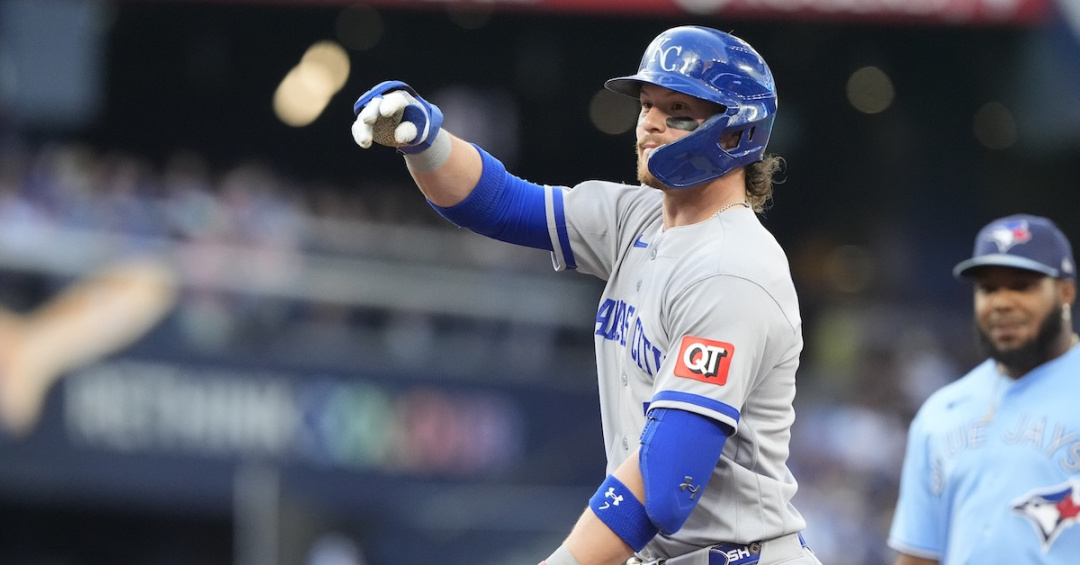
To pinpoint these multi-tool hitters, I’ve adapted the scouting terminology of ‘tools’ to fantasy baseball. A hitter must finish in the top third of specific metrics to qualify as possessing a tool. For instance, to be recognized as a power bat, a player must achieve an xSLG (expected slugging percentage) of at least 0.439 based on 400 plate appearances (PA). This approach allows for the inclusion of players who may not have reached the 400 PA threshold but still demonstrate significant potential, such as Spencer Jones, who, despite only having 289 PA, boasts an xSLG of .455.
Gear for the Game
Sponsor success. Continue reading:
The analysis reveals that eight of the nine hitters qualifying as four-tool players are expectedly strong performers, each contributing at least 20 stolen bases and 18 to 45 home runs, alongside an xwOBA (expected weighted on-base average) above .340. However, one surprising name on this list is Garrett Mitchell, a World Series winner whose early average draft position (ADP) is in the 200s. While he meets the criteria for multi-tool status, his production is closer to league average, raising questions about his draft value.
Mitchell’s statistics show he hit 11 home runs in 531 PA with a .416 actual slugging percentage. His xSLG of .447 indicates that he could have produced more, but his ground ball-heavy hitting approach limited his home run potential. His projections for 2027 suggest a similar trajectory, with 13 home runs and 15 stolen bases, making him a productive hitter but not a top-tier option compared to his peers.
Emerging multi-tool hitters to consider
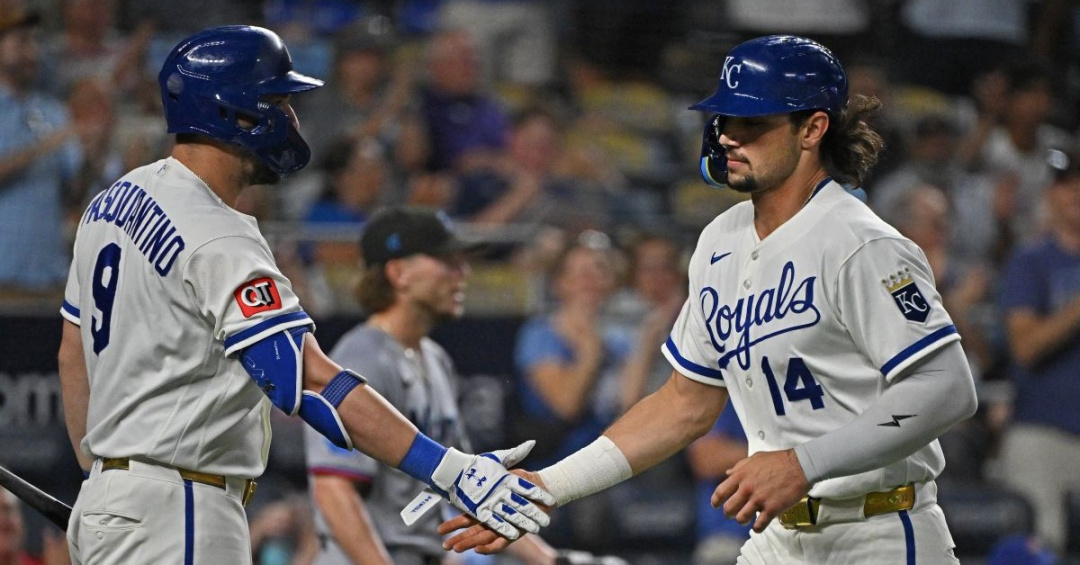
As we look at players who can cover multiple categories, several intriguing options emerge outside the top 100 in early ADP rankings. Seasoned hitters like Pasquantino, Trout, and Muncy are expected to continue their success, while younger talents like Eldridge and Murakami are establishing themselves as key players in their lineups. Hernández, projected to play a significant role in the young Marlins lineup, could also provide great value if he can make the leap.
Navigating the draft for versatile talent
The scarcity of multi-tool hitters in the infield is notable, particularly among middle infield positions. Of the 44 three-plus-tool hitters identified, most are outfielders or designated hitters, with only a handful qualifying at positions like second base and shortstop. This lack of depth emphasizes the importance of targeting versatile players during drafts, especially in the middle rounds where options are limited.
In summary, identifying hitters with multiple paths to production is essential for fantasy baseball success. As the draft approaches, understanding the metrics that define multi-tool players can provide a significant advantage. While some players like Garrett Mitchell may present risks, others offer promising potential that could pay off in various statistical categories, making them valuable assets for any fantasy team.