Usman Khawaja exposes Victorian ball-tampering tactics in cricket
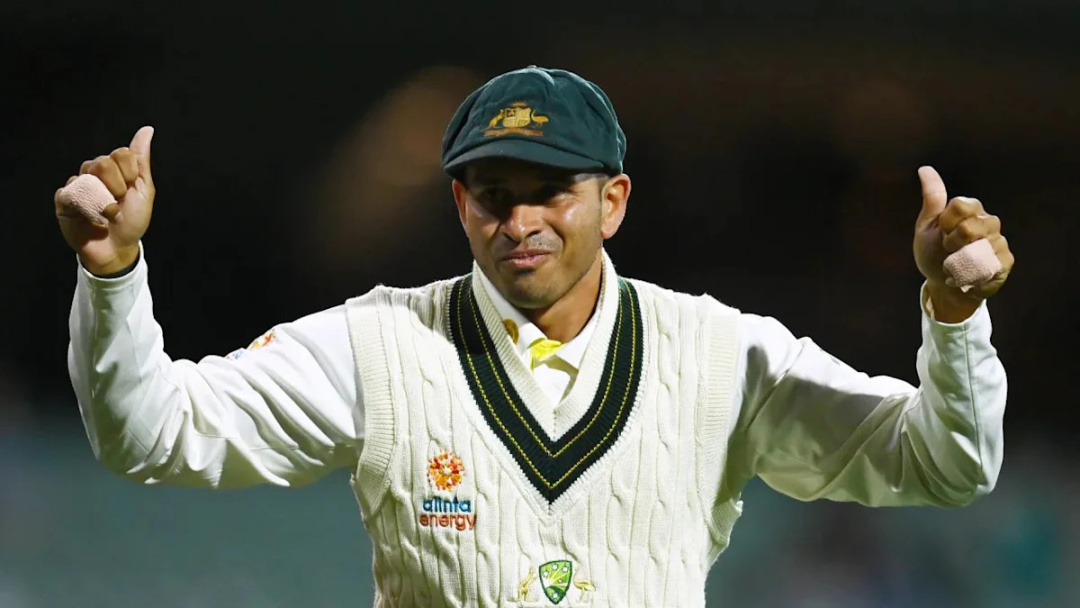
Usman Khawaja has opened up about the pervasive culture of ball tampering in Australian cricket, particularly during his time in the Sheffield Shield. In excerpts from his forthcoming autobiography titled "Sabr," Khawaja points a finger at the Victorian team, claiming they were the most skilled at manipulating the ball to gain an advantage.
Khawaja recalls that the conditions at the Melbourne Cricket Ground (MCG) were often flat and unresponsive, making reverse swing and spin the only viable strategies for winning matches. He asserts, "The Victorians were probably the best at it. The MCG used to be dead and flat. Reverse swing and a bit of spin was the only way you could win a game there."
Gear for the Game
Sponsor success. Continue reading:
The former Australian opener elaborates on the various techniques employed by Victorian players during the 2000s and 2010s to alter the ball's condition. He describes how players would throw the ball into the wicket to rough it up, making one side shinier while the other became rough. "The Victorians of that 2000s and 2010s era were genius at it. Throwing it into the wicket and doing other dark arts to rough it up and make the shiny side relatively shinier. It was all fair game," he wrote.
Khawaja also referenced a notorious incident involving former Australian fast bowler Mick Lewis, who was caught on camera rubbing the ball against the concrete gutter during a Sheffield Shield match in 2016. "It was no surprise when, years later, Victoria's bowling coach, Micky Lewis, was caught on cameras scraping the ball in the gutter when it got hit for a boundary. This kind of stuff was very normal," he noted.
While Khawaja insists he never personally tampered with a ball, he acknowledges his awareness of the practices and admits to being complicit. "I personally never tampered with a ball - in terms of scratching it or anything - but I knew everything that was going on and I wasn't against it which made me complicit," he explained.
He also shared a peculiar method rumored among players, where one would use super glue on a towel to enhance the ball's rough side, allowing it to reverse swing effectively. "One of the players had super glue on his towel. He'd get the ball on the rough side and scrub it against the dried-up super glue. It worked a treat and the ball would always reverse," Khawaja recounted.
Khawaja's claims deepen scandal implications
These revelations come on the heels of Khawaja's previous comments regarding the infamous ball-tampering scandal during the 2018 Test series against South Africa. He has consistently maintained that the entire team was aware of the sandpaper plot, a claim that has been disputed by former coach Darren Lehmann.
The fallout from the Cape Town incident saw Steve Smith and David Warner receive 12-month bans from Cricket Australia, while Cameron Bancroft was banned for nine months. Khawaja's latest assertions raise questions about whether the 2018 scandal was an isolated incident or part of a broader culture of cheating within Australian domestic cricket.
His willingness to admit complicity, despite claiming he did not engage in tampering himself, suggests that such practices may have become normalized within the league. As Australian cricket grapples with these revelations, it must confront the implications of a culture that may have allowed such behavior to flourish unchecked.
A deeper look at cricket's integrity issues
Khawaja's insights into the Victorian team's ball-tampering tactics highlight a significant issue within Australian cricket that extends beyond individual incidents. The normalization of such practices raises critical questions about the integrity of the sport and the measures in place to prevent cheating. As the cricketing world prepares for the release of Khawaja's autobiography on November 10, the focus will undoubtedly shift to how these revelations will impact the perception of Australian cricket and its governance moving forward.
The ongoing discussions surrounding ball tampering and player conduct will likely prompt a reevaluation of the standards and regulations governing the game. With Khawaja's candid admissions, the cricket community is left to ponder the extent of the problem and the necessary steps to restore faith in the sport's integrity.