Coaches Challenge Conference Relevance as CFP Expands to 24 Teams
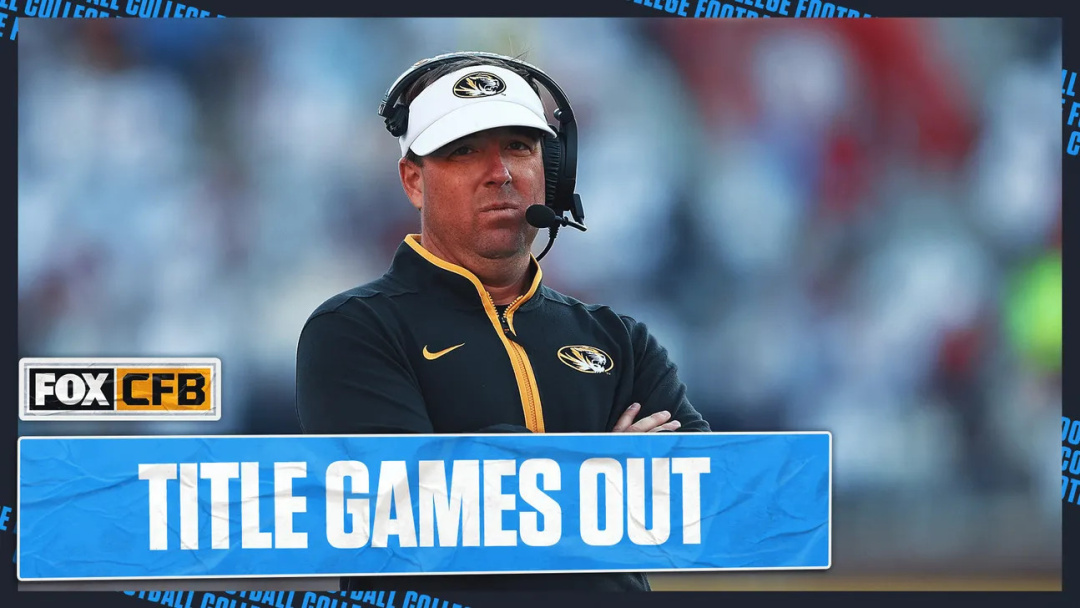
The College Football Playoff's (CFP) expansion to 24 teams is prompting a fundamental question: What is the purpose of conferences in college football? Missouri head coach Eli Drinkwitz raised this issue on Tuesday, following the SEC's announcement that this season's championship game in Atlanta on December 5 will be its last. The ACC, Big Ten, and Big 12 have also indicated they will discontinue their title games after this season, coinciding with the new CFP format set to take effect at the end of the 2027 season.
Drinkwitz's inquiry reflects a growing concern among coaches about the future of conference affiliations. "My question is why are we associated with conferences anymore if we're not playing for a conference championship?" he asked reporters. He emphasized that if the primary goal is simply to compete in a larger playoff format, the traditional role of conferences may be reduced to mere scheduling arrangements. "If we're just doing it for scheduling affiliation, is there a reason to be flying all the way across the country to play games from a national perspective?" he questioned.
Gear for the Game
Sponsor success. Continue reading:
Wake Forest head coach Jake Dickert echoed these sentiments, expressing uncertainty about the significance of conference affiliation without title games. He described the situation as "odd," particularly as his team, currently positioned to compete in the final ACC championship game, faces the prospect of playoff implications without the traditional conference title at stake. "To not say we're going to have conference champions, why do we have conferences?" Dickert pondered.
The broader implications of these changes have not escaped Drinkwitz, who voiced concerns about the rapid evolution of college football. He pointed to the expansion of the playoff system, the introduction of Name, Image, and Likeness (NIL) deals, conference realignment, and the transfer portal as factors that may dilute the sport's unique characteristics, such as regional rivalries and the excitement of year-to-year program development. "Have we cared about the fan?" he asked, highlighting a potential disconnect between the sport's evolution and its traditional fanbase.
Power Four conferences shift to regular-season champions
Starting next season, the Power Four conferences will determine their champions based on regular-season standings rather than championship games. This shift will also see the Army-Navy game occupy the weekend previously reserved for conference championships, creating a unique viewing opportunity while CFP teams rest.
Drinkwitz reflects on the impact of championship changes
For Drinkwitz, the changes are particularly personal. When he took the helm at Missouri in 2020, one of his primary objectives was to secure an SEC title in Atlanta. He acknowledged the disappointment in the decision to eliminate conference championship games, stating, "There’s no longer a reason to play the games," while lamenting the loss of a significant aspect of college football's competitive landscape. Missouri has participated in the SEC championship game twice, suffering defeats to Auburn in 2013 and Alabama in 2014.
As the landscape of college football continues to shift, the discussions initiated by Drinkwitz and Dickert underscore a critical moment for the sport. The elimination of conference championships raises essential questions about the future of competition, fan engagement, and the overall structure of college football as it adapts to a new playoff era.