Wenger's Insights on Referees and VAR: A Missed Opportunity for Change
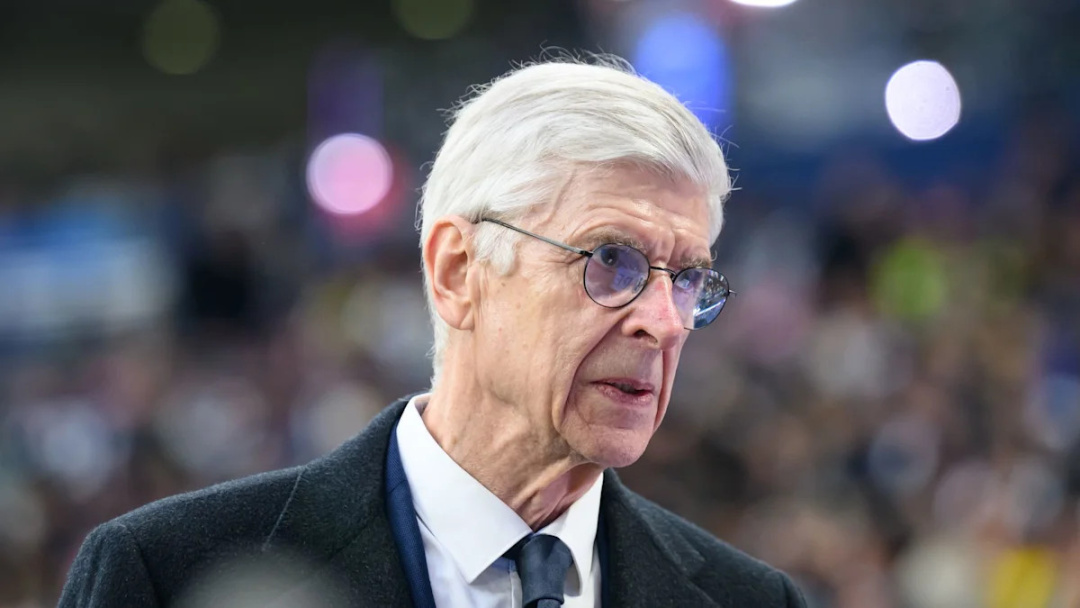
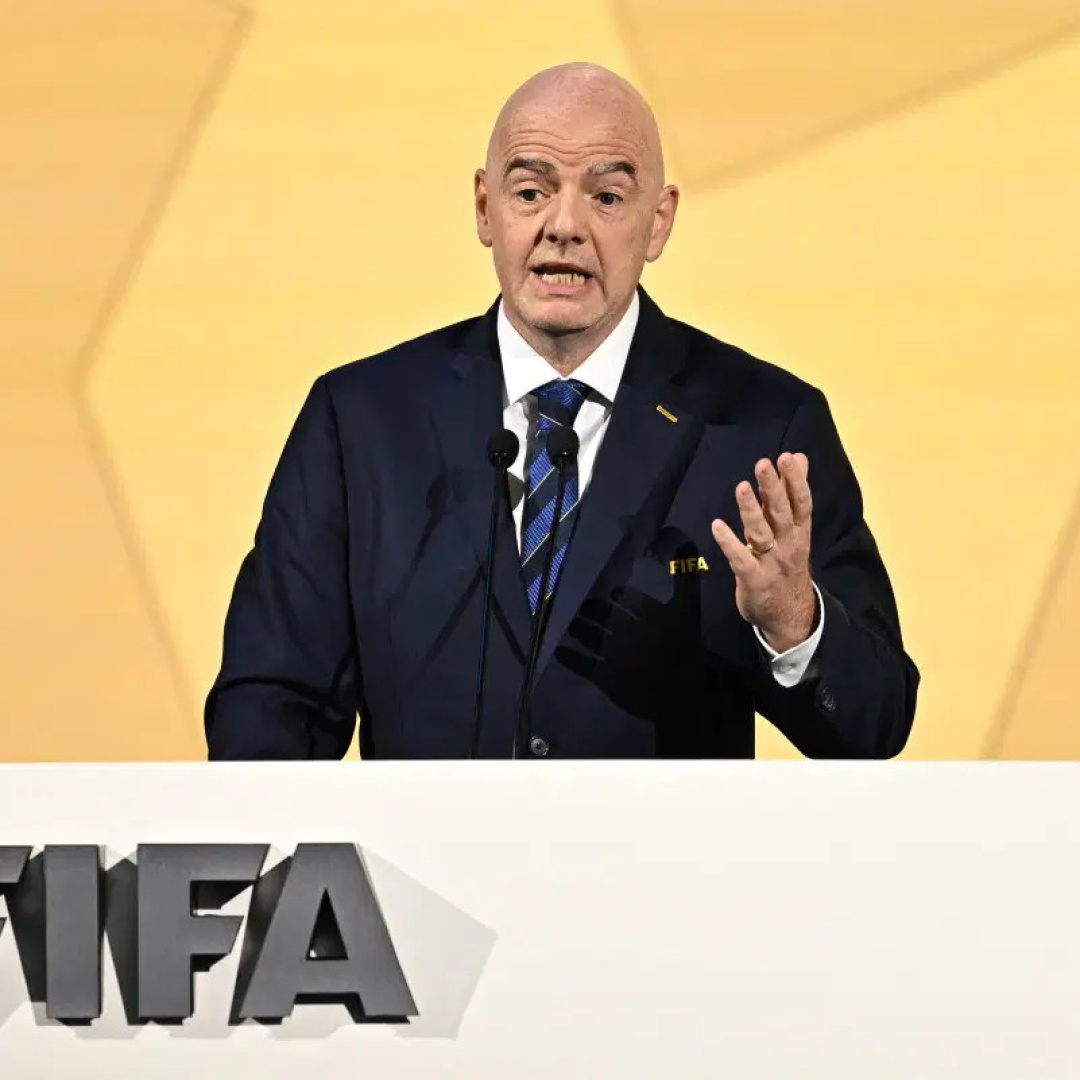
Arsène Wenger's recent decision to step back from challenging Gianni Infantino for the FIFA presidency has left many football fans disheartened. This choice, many believe, paves the way for Infantino's re-election, a scenario that raises concerns about the future of football governance. Infantino's controversial actions, such as awarding the FIFA Peace Prize to Donald Trump, have only fueled skepticism about his leadership.
Wenger, known for his integrity and deep understanding of the game, was seen by many as the ideal candidate to bring about necessary changes. His tenure as Arsenal's manager was marked by a commitment to fair play and transparency, particularly regarding officiating standards. Reflecting on his time in charge, Wenger often expressed frustration with refereeing decisions that seemed to lack accountability.
Gear for the Game
Sponsor success. Continue reading:
One notable instance was during the end of Arsenal's 49-game unbeaten run at Old Trafford, where Wenger famously quipped about asking God for guidance on refereeing standards. His criticism didn't stop there; in 2017, after a defeat to Manchester City, he voiced his anger over two contentious decisions made by referee Michael Oliver. Wenger's call for referees to explain their decisions post-match highlights his desire for greater transparency in officiating.
In the same vein, Wenger advocated for the use of video assistance in football, arguing that no referee could possibly see every incident in a match. This perspective aligns with the frustrations many fans feel regarding the current implementation of VAR, which has often been criticized for inconsistency and lack of clarity. Wenger's foresight in recognizing the potential of technology to aid referees seems more relevant than ever as debates about VAR continue to dominate discussions in football.
The challenge of enforcing referee accountability
Despite Wenger's insights, the question remains: if he was indeed correct about the shortcomings of refereeing standards, why are we still witnessing the same issues? The lack of accountability for officials and the ongoing controversies surrounding VAR suggest that the necessary reforms have yet to materialize.
As fans, we must ask ourselves whether making referees accountable for their decisions would enhance the game or simply lead to more disputes. Wenger's vision for a more transparent and accountable officiating system could have been a game-changer, but with his absence from the FIFA presidential race, the opportunity for such change may have slipped away.
The Case for Referee Accountability
In light of Wenger's critiques, the football community must consider the implications of maintaining the status quo. Would requiring referees to justify their decisions improve the overall quality of officiating, or would it merely add fuel to the fire of fan outrage? As we continue to grapple with the complexities of VAR and refereeing standards, Wenger's voice remains a crucial part of the conversation. His understanding of the game and commitment to fairness could have provided the leadership needed to navigate these turbulent waters. Ultimately, the future of football officiating hangs in the balance, and Wenger's absence from the presidential race leaves us questioning what could have been.
As we reflect on these issues, it is clear that the dialogue surrounding refereeing and VAR is far from over. Wenger's insights may serve as a catalyst for change, urging us to demand better from those who officiate our beloved game.