Infantino Faces Competition in 2027 FIFA Presidential Election
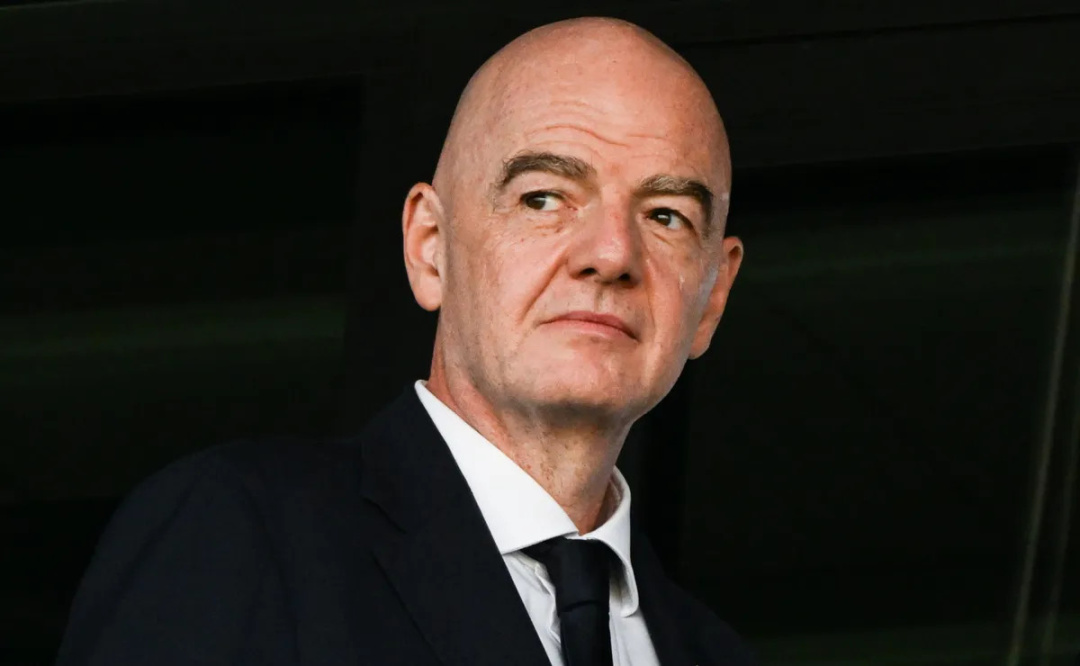
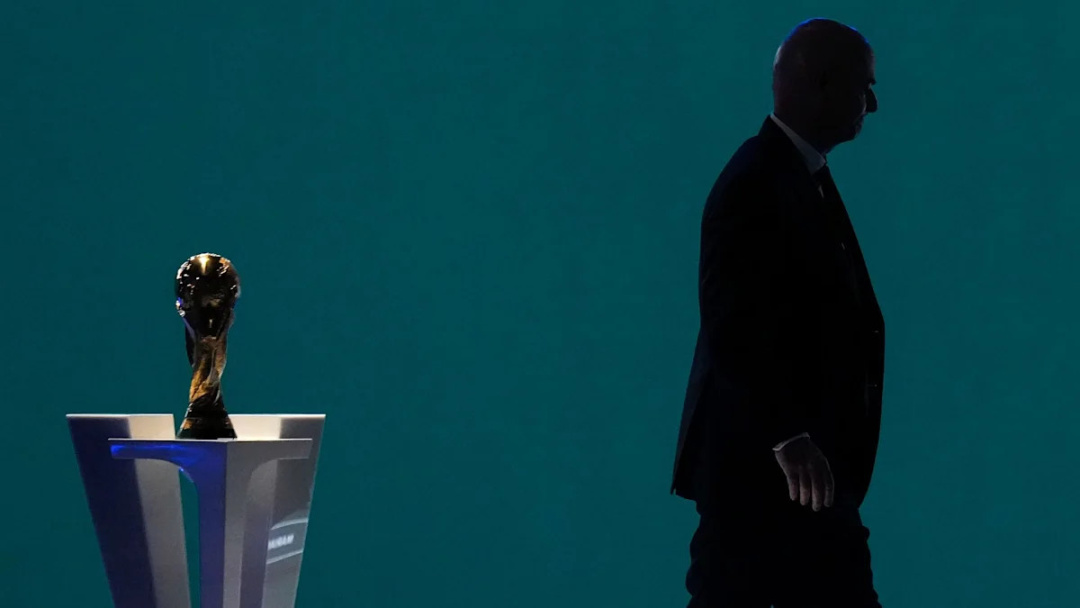
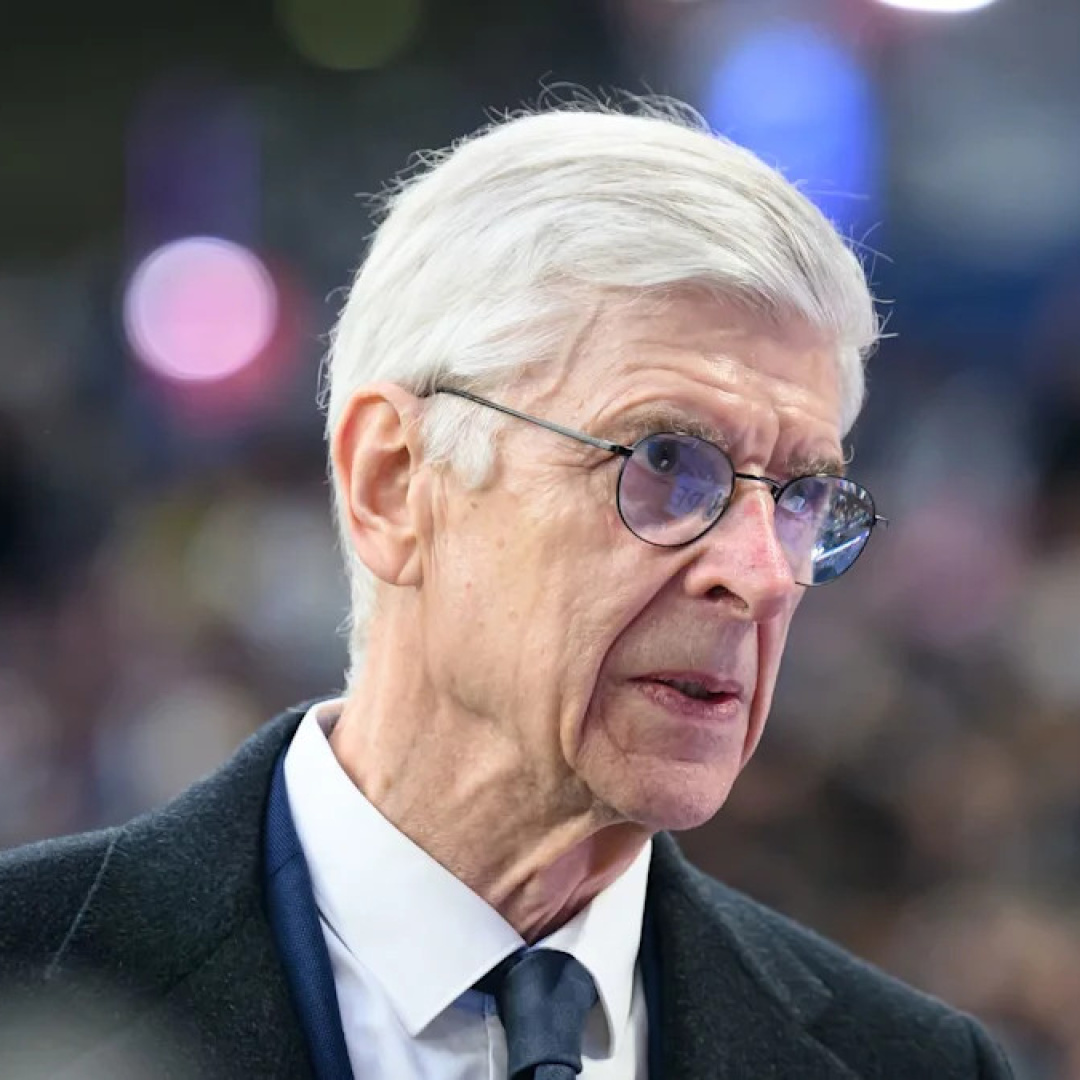
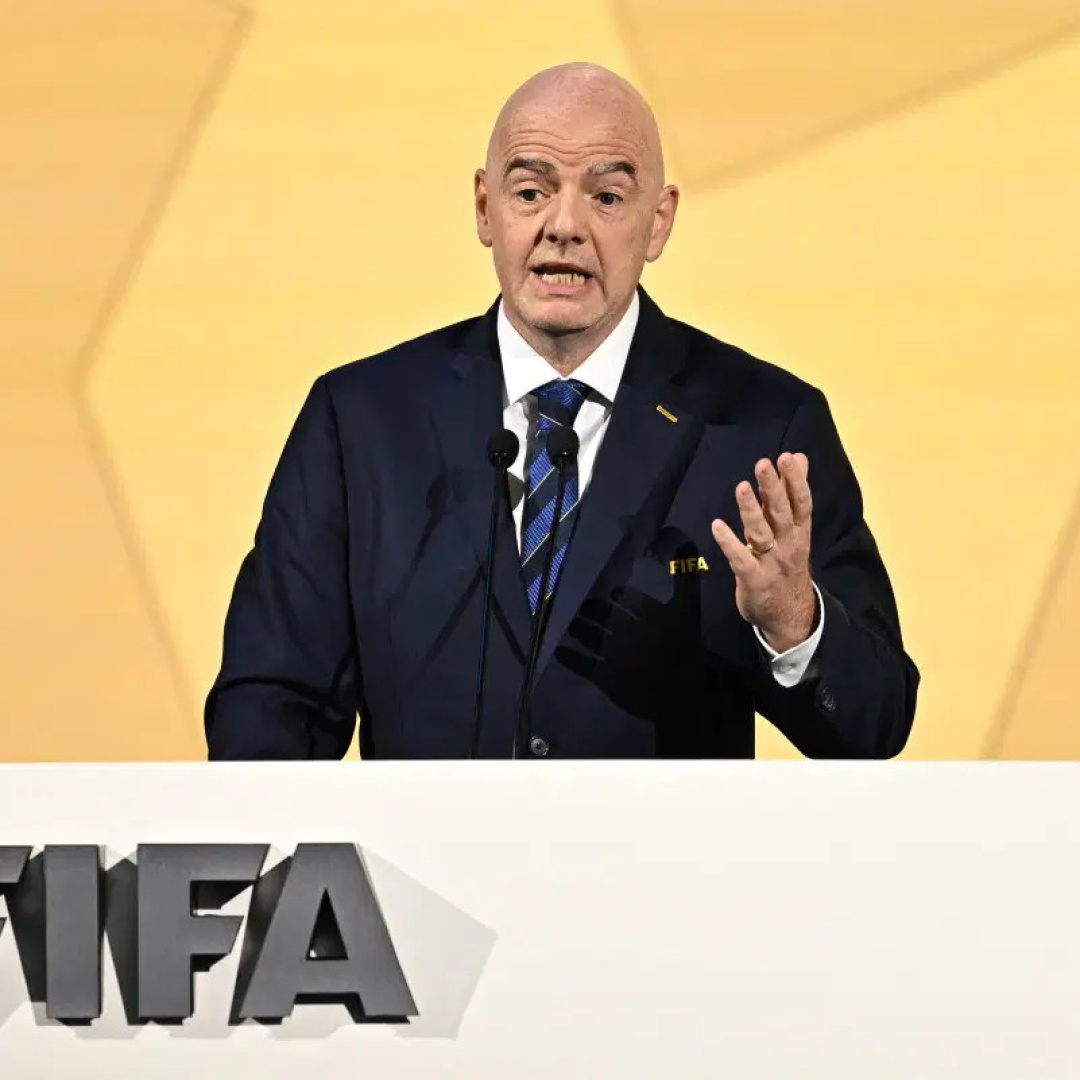
Gianni Infantino is set to face competition in the upcoming FIFA presidential election, marking a notable departure from his previous unopposed runs. The election, scheduled for March 18, 2027, during the 77th FIFA Congress in Rabat, Morocco, will see Infantino challenged by Philippe Diallo, the current president of the French Football Federation, and Kohzo Tashima, a long-standing member of the FIFA Council and honorary president of the Japan Football Association.
This election is particularly significant as it is the first time since Infantino's initial victory in 2016 that he will not be the sole candidate on the ballot. Diallo is reportedly backed by UEFA’s 55 member associations, giving him a strong continental bloc of support. This backing could prove crucial in swaying votes, especially given the controversies surrounding Infantino's leadership in recent years.
Gear for the Game
Sponsor success. Continue reading:
The electoral committee of FIFA will review the candidacies of Diallo and Tashima before they are officially confirmed. While Ramon Vega initially announced his candidacy, he has since withdrawn, leaving the two challengers to face Infantino. The final list of candidates will only be confirmed once the electoral committee completes its review.
Infantino's previous elections were marked by a lack of competition; he faced four rivals in 2016 and was re-elected by acclamation in 2019 and 2023. However, the current political landscape within FIFA has shifted, and the upcoming election could be a referendum on Infantino's controversial decisions, particularly the scrapped proposal to sell stakes in the World Cup to outside investors. This plan, tied to the FIFA Forward Enterprise project, faced significant backlash and led to Infantino issuing an apology, which may now be leveraged by his opponents as they campaign for change.
Controversies shape FIFA's election dynamics
The implications of this election extend beyond the candidates themselves. The controversies surrounding Infantino's leadership, including the recent handling of Folarin Balogun's red card at the 2026 World Cup, have raised questions about the governance of FIFA. As the federations prepare to cast their votes, the secret ballot means that the true impact of these controversies on Infantino's chances remains uncertain.
As the election date approaches, Infantino has received public support from notable figures in football, including Argentine icons Javier Zanetti, Esteban Cambiasso, and Javier Pastore, who have expressed their backing in a letter. However, with the growing discontent among some federations and the emergence of credible challengers, the outcome of the election could signal a pivotal moment for FIFA's future direction.
A Shift in FIFA's Leadership Landscape
The presence of challengers Diallo and Tashima introduces a dynamic that could reshape FIFA's leadership. Diallo's strong backing from UEFA positions him as a formidable opponent, while Tashima's experience within FIFA adds depth to the competition. The upcoming election is not just about who will lead FIFA; it reflects broader concerns about governance, transparency, and the direction of football's global governing body.
As the federations weigh their options, the stakes are high. Infantino's ability to secure a fourth term will depend on how effectively he can address the criticisms of his leadership and convince the federations that he remains the right choice for the future of FIFA. The election is poised to be a critical juncture for the organization, with potential ramifications for the sport worldwide.