Tyson Fury Opens Up About His Mental Health Struggles
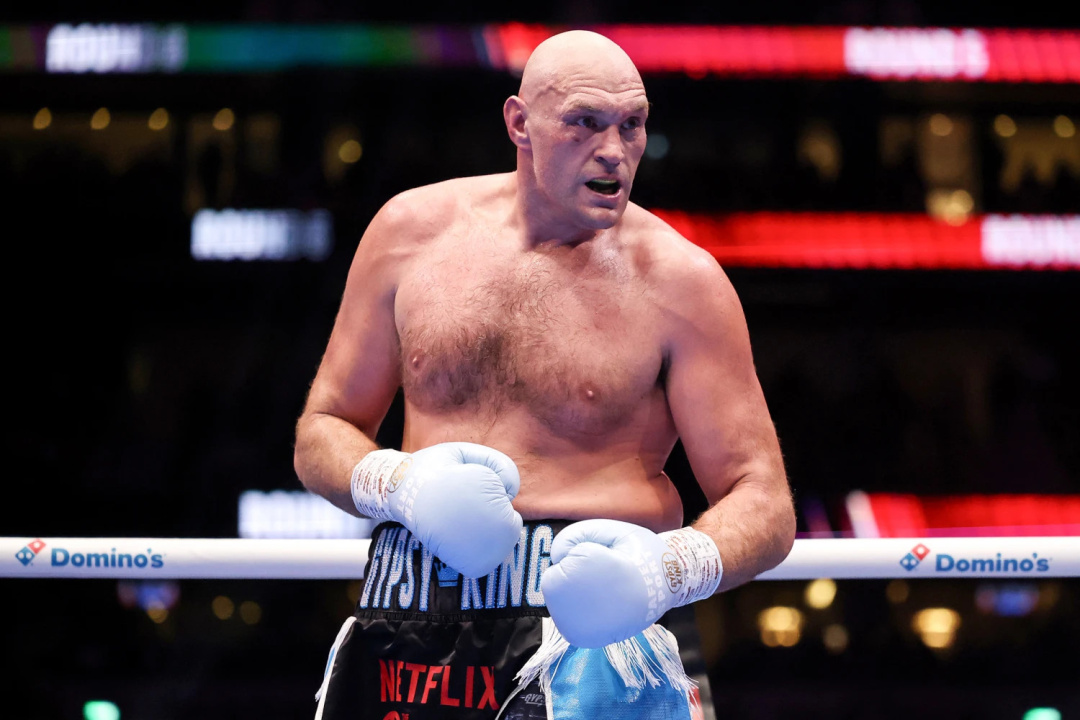
Tyson Fury, the former heavyweight champion, has opened up about his mental health struggles, revealing in a new Netflix documentary that he was diagnosed with schizophrenia and bipolar disorder. This candid admission comes as Fury reflects on a tumultuous period in his life that followed his monumental victory over Wladimir Klitschko in 2015, a moment he had long dreamed of achieving.
Fury, now 38 and a father of seven, described how the euphoria of defeating Klitschko quickly turned into a sense of emptiness. "I achieved all my childhood dreams," he stated. "And then when I finally beat this man, it was like my whole point of existence had been taken away." This profound sense of loss plunged him into a dark place, leading to severe anxiety and depression.
Gear for the Game
Sponsor success. Continue reading:
In the documentary, which is set to premiere on Netflix, Fury recounts a harrowing experience in 2016 when he was rushed to the hospital, initially believed to be suffering from a heart attack. However, doctors diagnosed him with an anxiety attack and informed him of his mental health conditions. Fury described the depths of his despair, stating, "Words can’t explain the darkness I was in. It’s like a living version of the pits of hellfire. And I 100% thought at times I’d end up in a padded room with the door locked, and that scared me so much."
His wife, Paris Fury, also shares her perspective in the film, admitting that she struggled to understand the medical terminology used by doctors. However, once the symptoms were explained, she recognized them in her husband. "I’d never heard of ‘bipolar,’" she said. "Somebody actually explained it to me, like some days you’d be as happy as anything, ‘Oh yeah, yeah, yeah, let’s go, let’s go’ and then something can switch in it, like, ‘No, I can’t go outside today.’ Like wow, that’s him to a T."
Fury's haunting experiences reveal deeper struggles
Fury, known as the Gypsy King, also revealed that during his struggles, he experienced auditory hallucinations, believing that the Illuminati was plotting against his family. "The radio starts talking to me, literally having a full conversation with me," he explained. "‘No one’s untouchable. We can get you at any time. You don’t behave yourself, we’re going to kill your father.’ So I’m thinking, ‘OK, you’re all involved.’"
His father, John Fury, acknowledged in the documentary that he had seen his son in pain for years but failed to recognize the signs of mental illness. "I can tell you this: When I look back, it’s always been there," he said. "Me being who I am and no understanding of anything, I didn’t want to see a depressed kid — and if I did see it, I paid no mind to it. But I understand now. It’s an illness, a terrible illness. I suffer with it myself."
Fury's comeback underscores mental health awareness
Fury admitted that he did not take steps to address his mental health until a Halloween party in 2017, where he realized he had squandered his potential and was struggling with alcohol addiction. After taking a break of about two and a half years to regain his health, he made a remarkable comeback, including two wins and a draw against Deontay Wilder, a formidable opponent.
Despite his ups and downs, Fury has continued to compete, recently announcing his return to the ring after a brief retirement. He is scheduled to fight Anthony Joshua on December 11 at the Principality Stadium in Cardiff, marking another chapter in his storied career. Fury's journey highlights the importance of mental health awareness, especially in the high-pressure world of professional sports, where the physical and psychological demands can be overwhelming.