Linda Cohn's Comments Spark Controversy Over A'ja Wilson's Absence
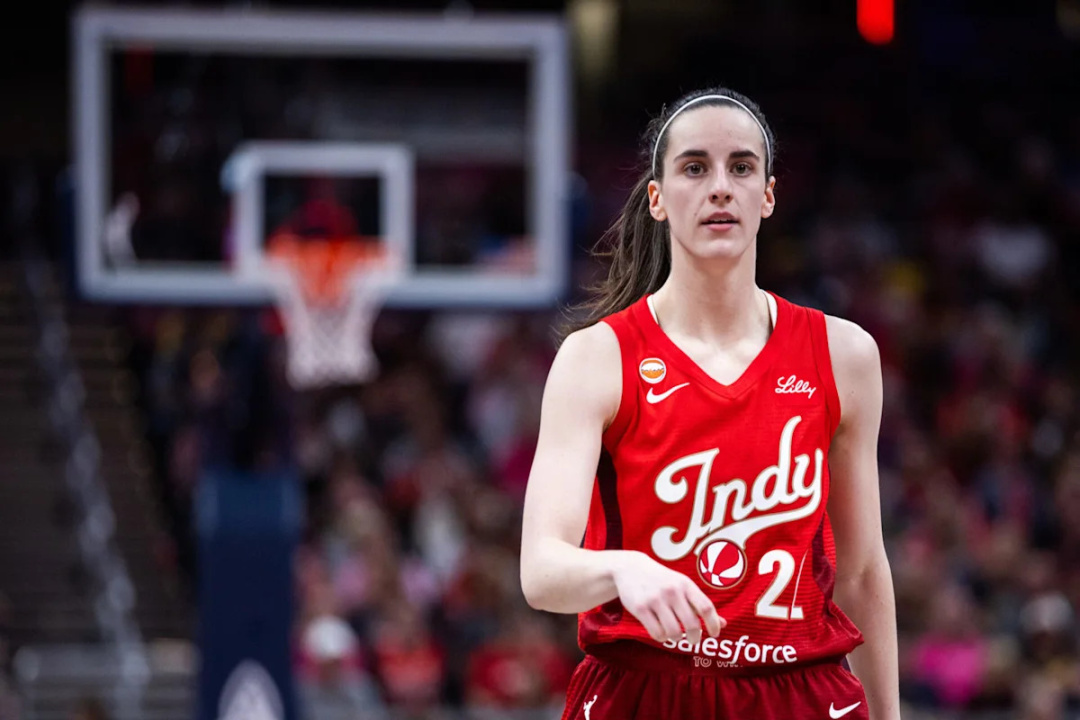
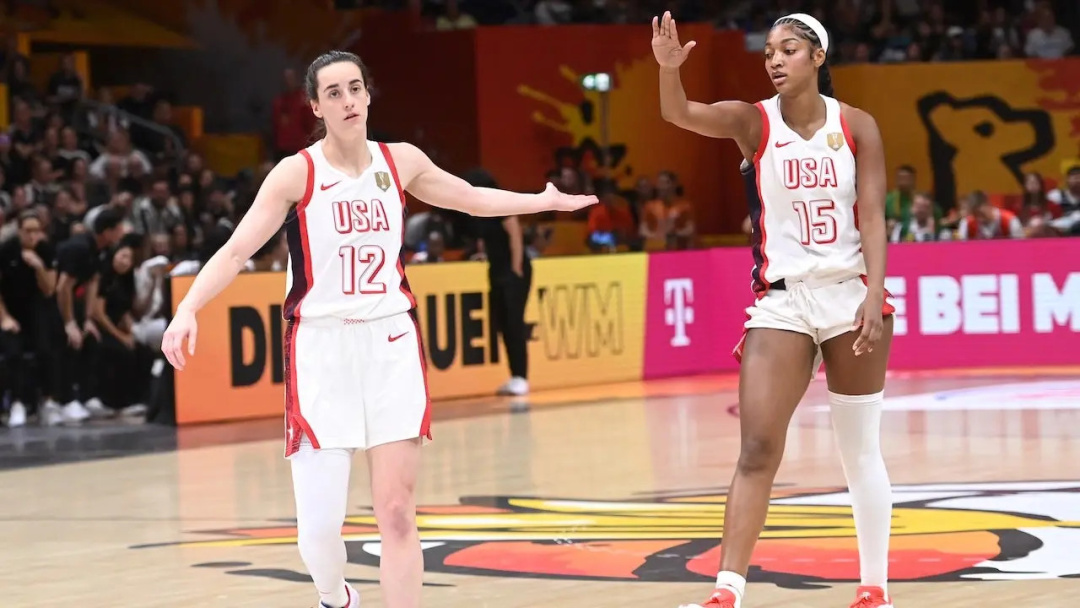
The United States began its quest for a fifth consecutive FIBA Women’s World Cup gold medal with a commanding 94-61 victory over China. Indiana Fever star Caitlin Clark made headlines not just for her performance, where she tied for the team lead with 14 points and contributed 11 assists, but also for the controversy stirred by former ESPN host Linda Cohn regarding the absence of four-time WNBA MVP A’ja Wilson.
Cohn's comments suggested that Wilson's decision to skip the tournament, due to an undisclosed injury, might stem from a desire to avoid being overshadowed by Clark's burgeoning popularity. Cohn speculated whether Wilson was reluctant to participate because she feared the World Cup would turn into a showcase for Clark, who has already garnered significant attention ahead of her debut in Berlin.
Gear for the Game
Sponsor success. Continue reading:
Cohn stated, "So is there any part of A’ja that didn’t want to spend the next couple of weeks watching the World Cup become the Caitlin Clark show?" This line of questioning has raised eyebrows, as it implies a level of insecurity on Wilson's part, which many fans and analysts find unwarranted.
The backlash against Cohn was swift, particularly from South Carolina coach Dawn Staley, who has a history with Wilson from her college days. Staley's response on social media was a clear rebuke of Cohn's insinuations, urging her to reconsider her comments. Fans echoed Staley's sentiments, expressing their discontent with Cohn's remarks and the implications they carry.
Wilson's injury raises deeper questions
Wilson's absence from the tournament has been officially attributed to a back issue, which had previously appeared on the Las Vegas Aces' injury report. However, she did not miss any games for the Aces, who are currently performing well in the WNBA standings. This context adds another layer to the discussion, as it raises questions about the motivations behind her decision to withdraw from international competition.
Cohn's comments have sparked a broader conversation about the pressures faced by elite athletes, particularly women in sports, where visibility and media narratives can significantly impact their careers. As the FIBA Women’s World Cup progresses, the focus will remain on how Team USA navigates the tournament without one of its star players and how Clark continues to handle the spotlight that comes with her rising stardom.
The intersection of performance, media narratives, and athlete mental health is a complex issue that deserves thoughtful consideration, especially in a high-stakes environment like the World Cup. As the tournament unfolds, it will be interesting to see how these dynamics play out and what implications they may have for both Wilson and Clark moving forward.