WNBA MVP Debate: Clark vs. Miles and the Impact of Defensive Attention
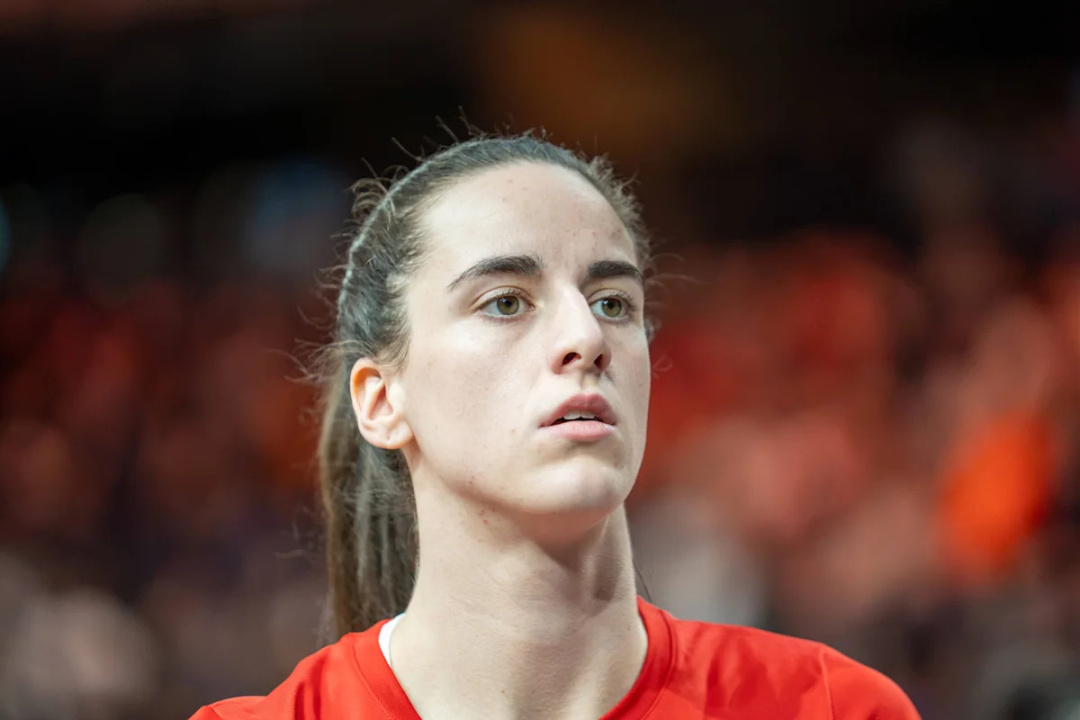
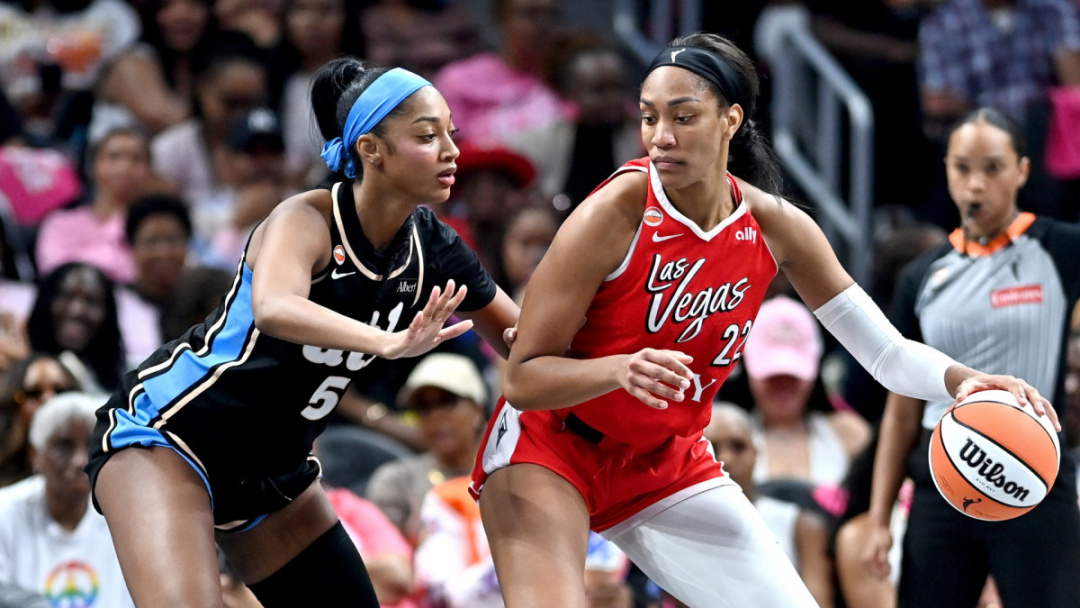
The WNBA is currently on an unusual break due to the upcoming 2026 FIBA World Cup, yet the debate surrounding the league's MVP award remains as vibrant as ever. With only a handful of regular-season games left to play once the league resumes, A’ja Wilson of the Las Vegas Aces stands as the frontrunner for the prestigious award. However, the discussions surrounding her candidacy have become increasingly complex, particularly with Caitlin Clark and Olivia Miles emerging as two of the most talked-about players in the race.
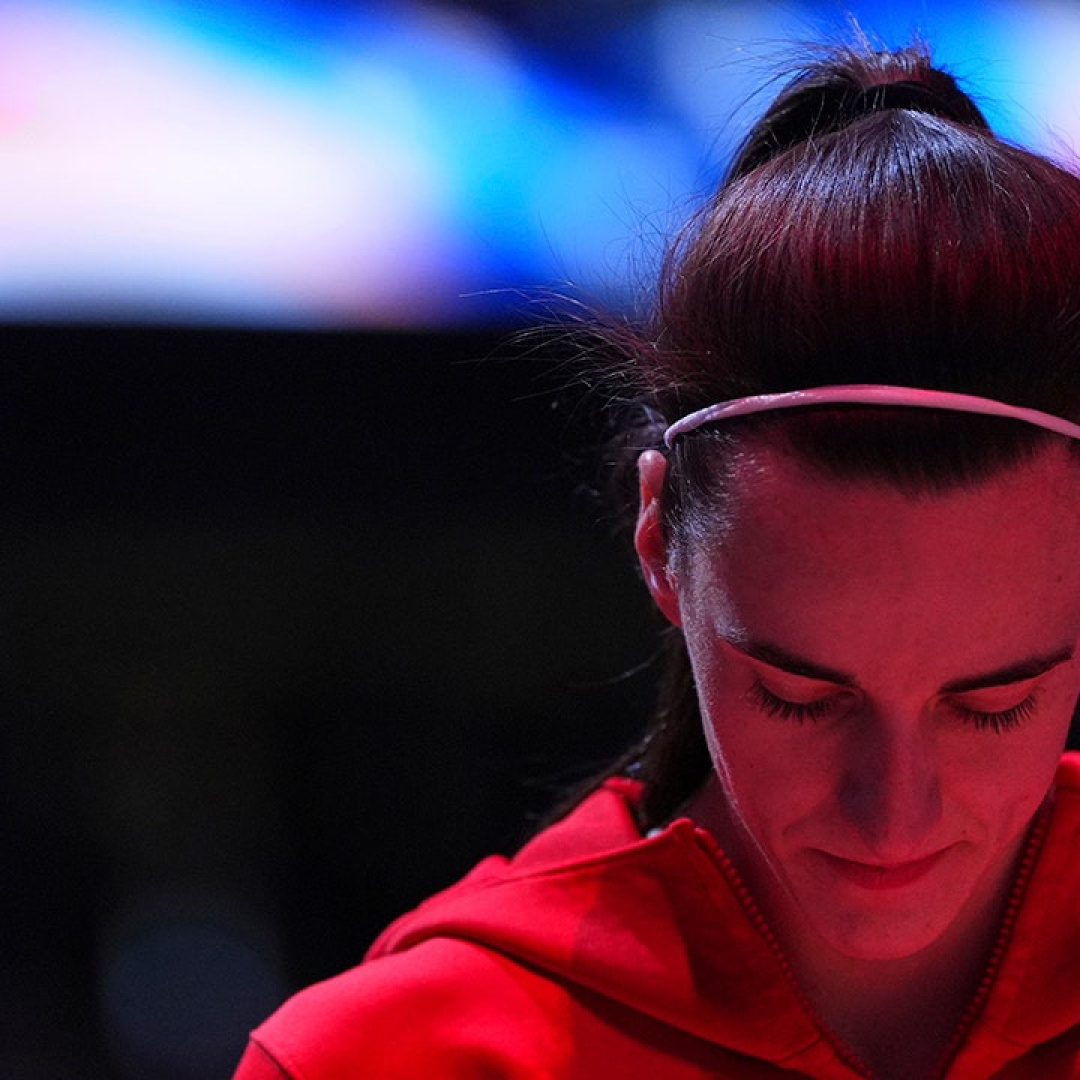
Former Old Dominion college basketball player Rachel DeMita recently weighed in on this debate during a segment on Courtside Club. She highlighted a critical point regarding the different defensive strategies employed against Clark and Miles, suggesting that this disparity complicates the MVP conversation. A fan had argued that while Miles has had an impressive season, she should not be ranked above Clark or Kelsey Mitchell in the MVP discussion due to the level of defensive attention each player receives. DeMita partially agreed, stating, "I think Olivia Miles has been great. She is clear Rookie of the Year this season... The kind of defense that we see on Caitlin Clark from season one – Olivia Miles doesn’t experience that sort of defense."
Gear for the Game
Sponsor success. Continue reading:
DeMita elaborated on the defensive treatment, noting that Clark has faced full-court pressure and intense face-guarding, which has not been the case for Miles this season. This raises an important question about how much weight should be given to the defensive strategies employed against players when determining MVP candidacy. DeMita cautioned against relying solely on defensive metrics, stating, "It would be hard to use that metric when talking about each player because it is subjective. It’s always going to be subjective. It’s not just one metric."
Evaluating MVP candidates beyond statistics
Both Clark and Miles have made compelling cases for the MVP award, albeit in different ways. Clark boasts impressive individual statistics, averaging 22.5 points and a league-leading 8.4 assists per game. In contrast, Miles has played a pivotal role in leading the Minnesota Lynx to the best record in the league, averaging 19.7 points and 6.0 assists per game while also being a frontrunner for Rookie of the Year. The Lynx's success, especially considering the uncertainty surrounding the team due to Napheesa Collier's injury, underscores Miles' contributions.
As the MVP debate intensifies, the question of how to compare these two players becomes more pressing. Clark's statistical advantage is clear, but if she is consistently facing more aggressive defensive schemes than Miles, it complicates the narrative. DeMita believes that while both players have strong arguments for MVP, the comparison cannot be reduced to mere statistics or defensive strategies alone.
With the WNBA season approaching its final stretch, voters will have to weigh individual production against team success and the unique challenges each player faces. The MVP race remains a hot topic, with many, including WNBA legend Diana Taurasi, leaning towards A’ja Wilson as the likely winner. However, the discussions surrounding Clark and Miles highlight the complexities of evaluating player value in a league where defensive strategies can significantly impact performance.