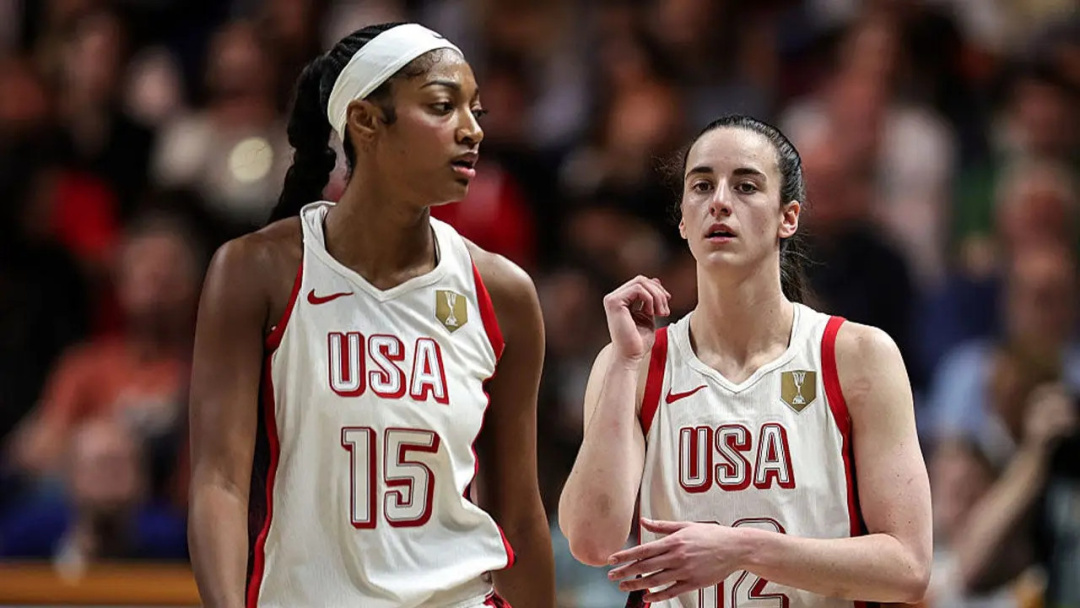
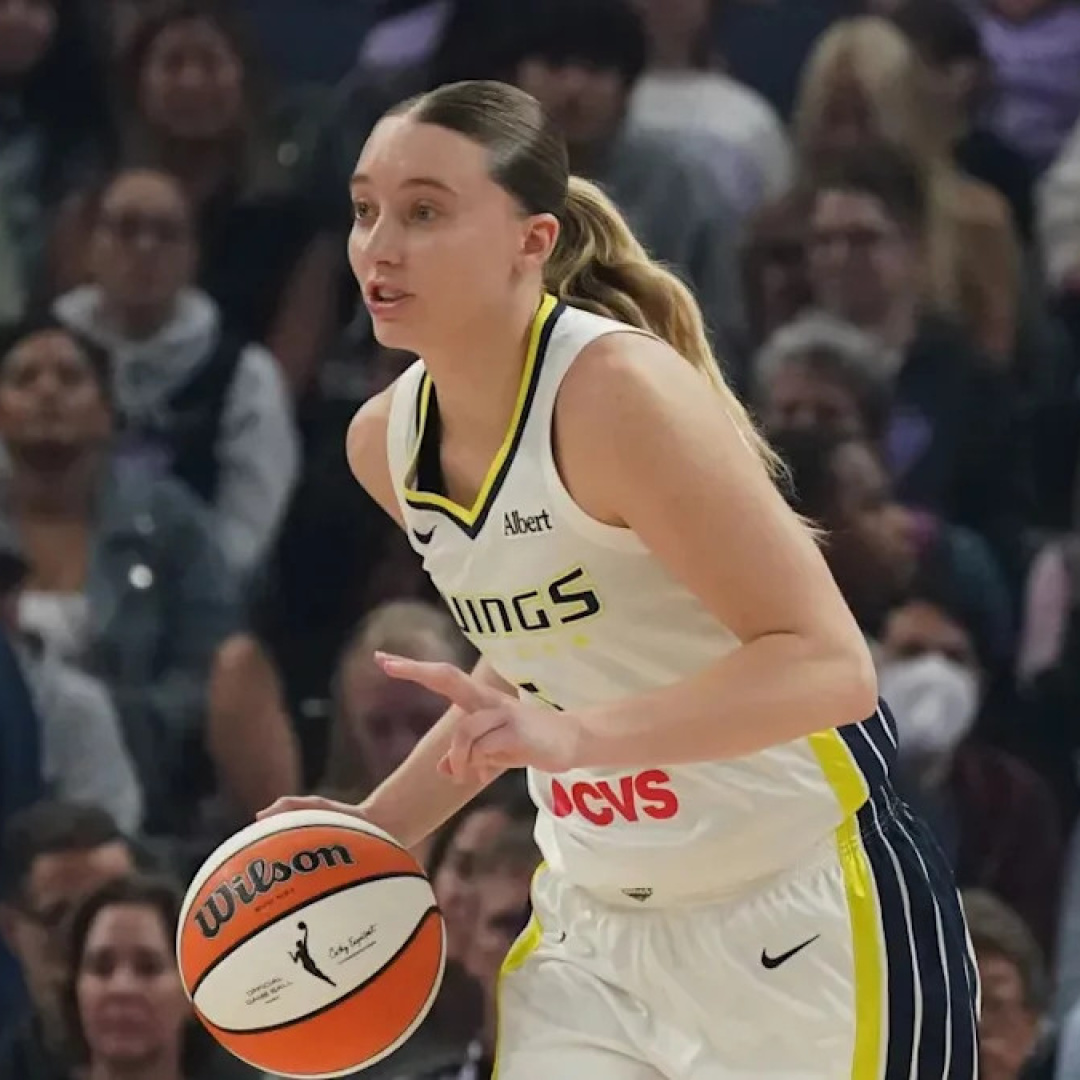
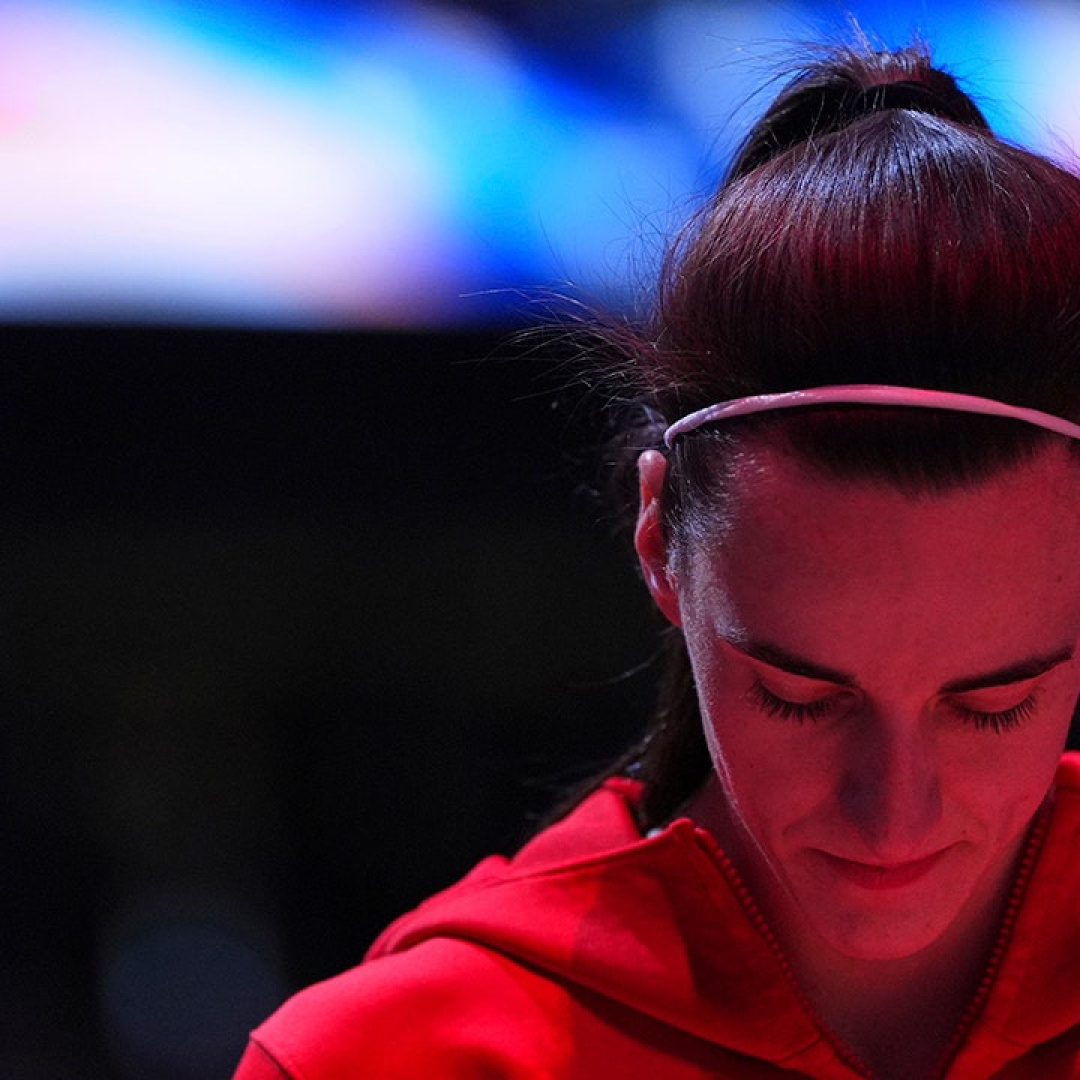
Caitlin Clark's Bench Role Sparks Debate as Team USA Eyes World Cup Glory
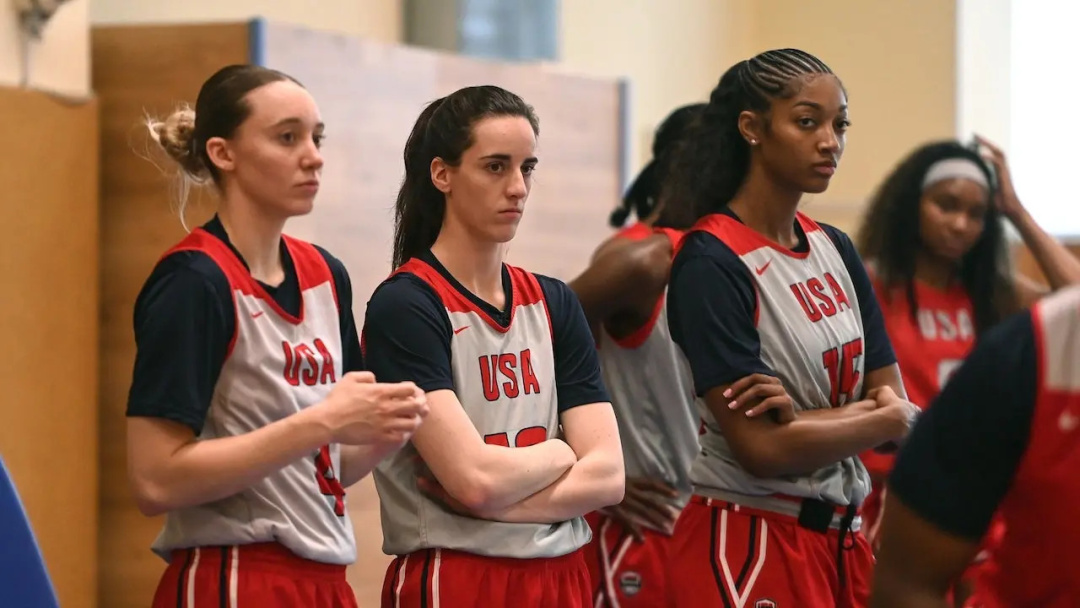
As Team USA gears up for the knockout stage of the FIBA Women's World Cup, all eyes are on Caitlin Clark, whose role off the bench has sparked considerable debate. The U.S. women's basketball team, a dominant force in international sports with eight consecutive Olympic gold medals and four World Cup titles, is looking to maintain its impressive 33-game winning streak. However, Clark's performance has raised questions about her fit within the team dynamic as they prepare to face tougher competition.
Clark, who has come off the bench in all three group stage games, began the tournament with a record-setting debut against China, scoring 14 points and dishing out 11 assists. This performance set high expectations, but her subsequent game against Italy saw her struggle significantly, finishing with just one point and missing all her field-goal attempts. This marked a concerning low point for the talented guard, who had previously been a standout player in both college and the WNBA.
Gear for the Game
Sponsor success. Continue reading:
In the final group stage game against Czechia, Clark rebounded somewhat, contributing nine points and seven assists in a decisive victory. However, as the competition intensifies, her role will be scrutinized even more closely. With teams like France and Belgium showing strong performances, the U.S. must navigate the knockout rounds carefully, and Clark's contributions will be pivotal.
The discussions surrounding Clark's role are not just about her individual performance; they also reflect broader themes in women's sports. The inclusion of young stars like Paige Bueckers and Angel Reese, who have also come off the bench, adds another layer of complexity to the team's strategy. Fans and analysts alike are debating whether these emerging talents should be given starting roles, especially as the U.S. aims to defend its Olympic dynasty in the upcoming 2028 Games.
Clark's role sparks strategic dilemmas
Clark's chemistry with her teammates has been highlighted in various media, including a viral moment where she was playfully teased by her fellow players. Coach Kara Lawson has utilized Clark as a change-of-pace guard, a strategy that worked well in the opener against China but faltered against Italy. The decision to keep Clark on the bench during crucial moments of the game against Italy raised eyebrows, especially as the U.S. struggled offensively.
As the team prepares for the quarterfinals, the stakes are higher than ever. If the U.S. finds itself in a tight spot, Lawson will face a critical decision: rely on the veterans who have built the dynasty or trust in the younger generation represented by Clark, Bueckers, and Reese. The outcome of these matches will not only determine the fate of the U.S. in the tournament but also shape the future of women's basketball as these stars navigate their roles on the international stage.
The U.S. has a direct path to the quarterfinals after winning Group D, but the upcoming matches against teams like Hungary or Japan will not be easy. Both teams have shown resilience, and the Americans must be prepared for any challenges that arise. The potential for a rematch against France, who nearly ended the U.S. Olympic streak in 2024, looms large, adding to the pressure.
Ultimately, the success of Team USA will hinge on how well Clark and her teammates can adapt to their roles and perform under pressure. The world will be watching closely as they strive to preserve their legacy in women's basketball, with the outcome of the World Cup serving as a critical moment in their careers and the sport's evolution.