Red Sox's Trade Decision: Early vs. Mead at Deadline
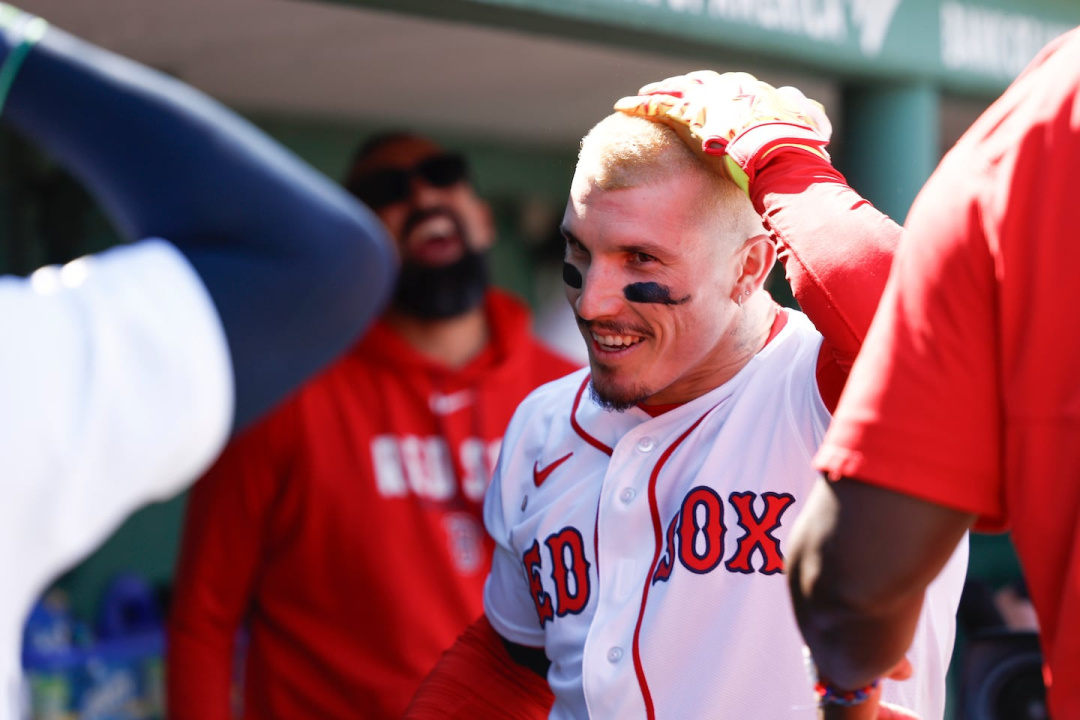
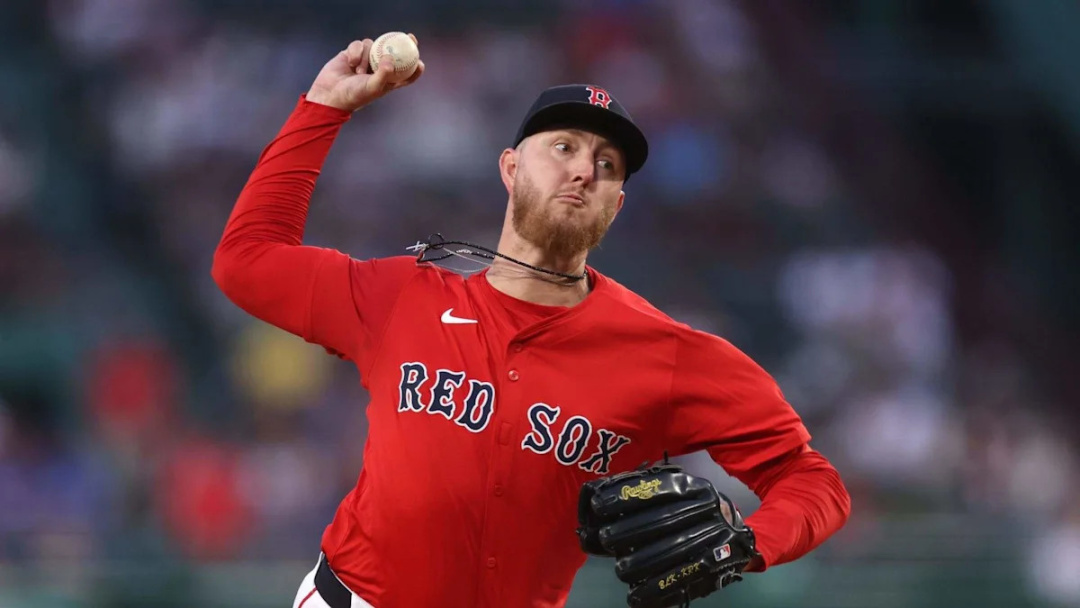
The Boston Red Sox made headlines at the recent Major League Baseball trade deadline with a decision that caught many off guard: trading promising left-handed pitcher Connelly Early to the Tampa Bay Rays in exchange for Curtis Mead. Early, who is just 24 years old, had shown flashes of potential during his time in the majors, making the move seem somewhat surprising to fans and analysts alike.
Early's trade comes at a time when he is currently sidelined with left elbow inflammation, placed on the 60-day injured list. This injury undoubtedly complicated the Red Sox's decision-making process, as they weighed the value of a controllable young pitcher against their immediate needs. While Early's potential as a frontline starter was evident, the Red Sox opted to secure a player in Mead who has already demonstrated his capabilities at the major league level.
Gear for the Game
Sponsor success. Continue reading:
The trade raised eyebrows not only because of Early's age and potential but also due to the interest he garnered from other teams, notably the Chicago Cubs. Reports indicated that the Cubs had been keen on acquiring Early before the deadline, which adds another layer of intrigue to the Red Sox's decision. According to sources, the Cubs were exploring various options, and Early was among the names discussed by their front office.
Cubs' interest complicates trade dynamics
Had the Cubs pursued Early more aggressively, it would have been fascinating to see what kind of package they might have offered. However, it is likely that any deal would not have included a player of Mead's caliber, who has already made an impact in the league. The Cubs, like the Red Sox, are also in a competitive position, which would have influenced their trade strategy.
Ultimately, the Red Sox's choice to trade Early reflects a broader strategy of balancing immediate competitive needs with long-term potential. While some may view the decision as a gamble, it underscores the complexities of roster management in a league where injuries and performance can shift the landscape rapidly. As the season progresses, the implications of this trade will become clearer, particularly in how both Early and Mead perform in their new environments.
The Red Sox's trade decision illustrates the difficult choices teams must make, especially when dealing with young talent and injuries. It remains to be seen whether this move will pay off in the long run, but for now, it highlights the ongoing challenges and strategies that define the MLB landscape.