Brad Stevens Reflects on Butler's Impact in Leading the Celtics
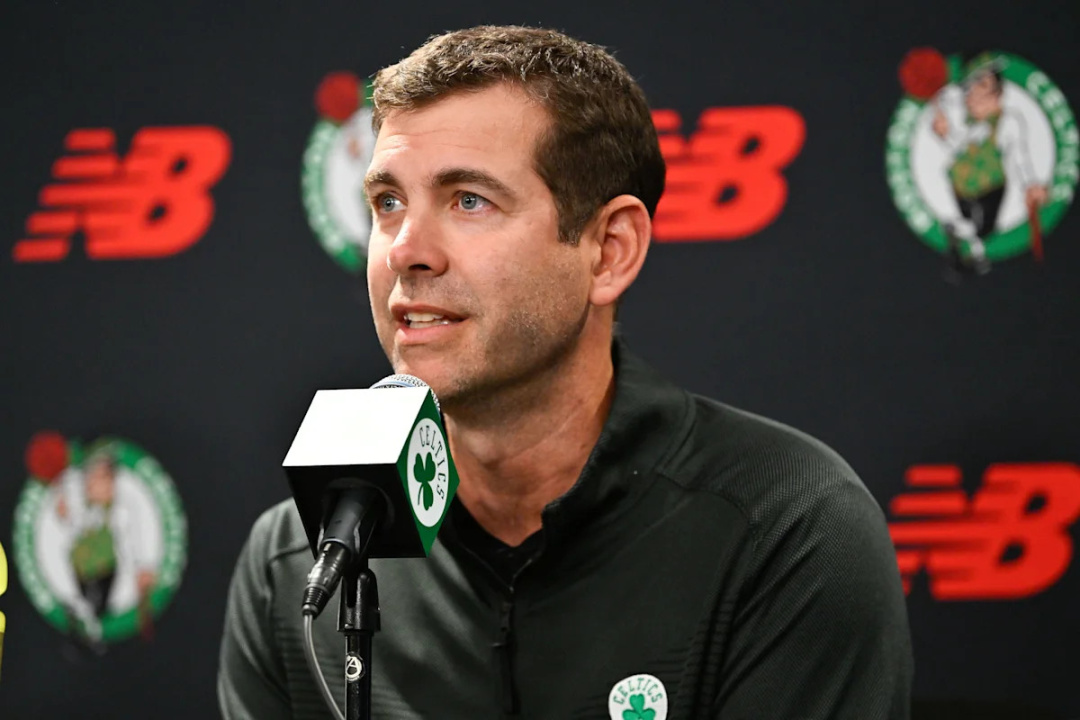
In many respects, leading a mid-major college basketball team mirrors the challenges faced by an NBA executive. The need to assemble a competitive roster through strategic planning, recruiting, and player development is crucial, especially when dealing with the inevitable departures of talent to more prominent programs or professional opportunities. Brad Stevens, the President of Basketball Operations for the Boston Celtics, recently elaborated on how his experience at Butler University has equipped him for his current role during an interview on SiriusXM NBA Radio's "The Starting Lineup" with Frank Isola and Brian Scalabrine.
Stevens stated, "Trying to build teams at Butler was by far the best thing to help me in this role." This statement underscores the importance of his time at Butler, where he faced the unique challenges of recruiting players who might not have been top prospects but had the potential to excel within the right system. He pointed out that at Butler, competing against larger programs like Indiana and Purdue meant that he had to identify players who were the right fit for his program rather than simply the most talented.
Gear for the Game
Sponsor success. Continue reading:
"Because, you talk about the last few years, we have to find guys that, for whatever reason, are now minimums and we have to hopefully put them in a position to soar with their strengths and really take that next leap in their career," Stevens explained. This perspective highlights the necessity of maximizing the potential of players who may not have been first-round picks or high-profile signings but can contribute significantly to the team's success.
The transition from college to the NBA presents its own set of challenges, particularly when it comes to roster management. Stevens noted, "We're not going to get the first pick at Butler, you know?" This reality is echoed in the NBA, where teams often have to make strategic decisions based on limited resources and salary cap constraints. The ability to identify and develop talent is crucial, and Stevens believes that his time at Butler provided him with invaluable lessons in this regard.
Recruiting challenges shape roster decisions
Stevens also reflected on the difficulties of recruiting at Butler, stating, "And when we were recruiting there, there were challenges because you weren't going to beat Indiana and Purdue and all those teams for players. You just had to find the right fits for you." This insight reveals the importance of understanding a player's fit within a system, a principle that remains relevant in his current role with the Celtics.
As Stevens continues to navigate the complexities of the NBA, his experiences at Butler serve as a foundation for his decision-making process. The lessons learned from building a competitive college program have translated into his approach to assembling a roster that can compete at the highest level. The Celtics, under his leadership, are focused on finding players who not only possess talent but also align with the team's culture and vision.
In conclusion, Brad Stevens' reflections on his coaching journey at Butler highlight the critical skills required to succeed in the NBA. His ability to identify talent, develop players, and create a cohesive team environment is essential as he leads the Celtics into a new era. The challenges he faced at Butler have undoubtedly shaped his approach, making him a more effective leader in the competitive landscape of professional basketball.