Michael Irvin Highlights Family Impact of College Football's NIL Era
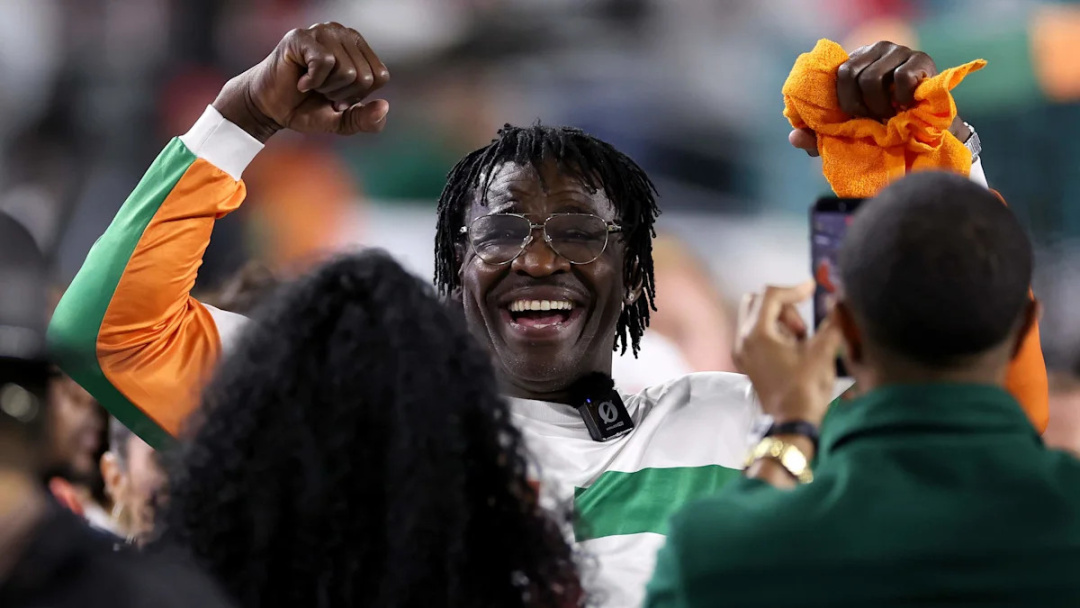
College football's Name, Image, and Likeness (NIL) era has sparked intense debate over the financial implications for young athletes, particularly regarding the multimillion-dollar offers they can now receive. However, Pro Football Hall of Famer Michael Irvin believes that a crucial aspect of this conversation is often overlooked: the profound impact on family dynamics and support systems surrounding these athletes.
During a recent appearance on The Dan Patrick Show, Irvin addressed the reported $10 million offer made to Ohio State standout Jeremiah Smith. When asked whether college athletes should be earning such substantial sums, Irvin provided a personal perspective, emphasizing how financial opportunities can dramatically alter a young player's life trajectory. Rather than fixating on luxury items or lavish lifestyles, he highlighted the importance of familial support, something he wished had been available during his own college years.
Gear for the Game
Sponsor success. Continue reading:
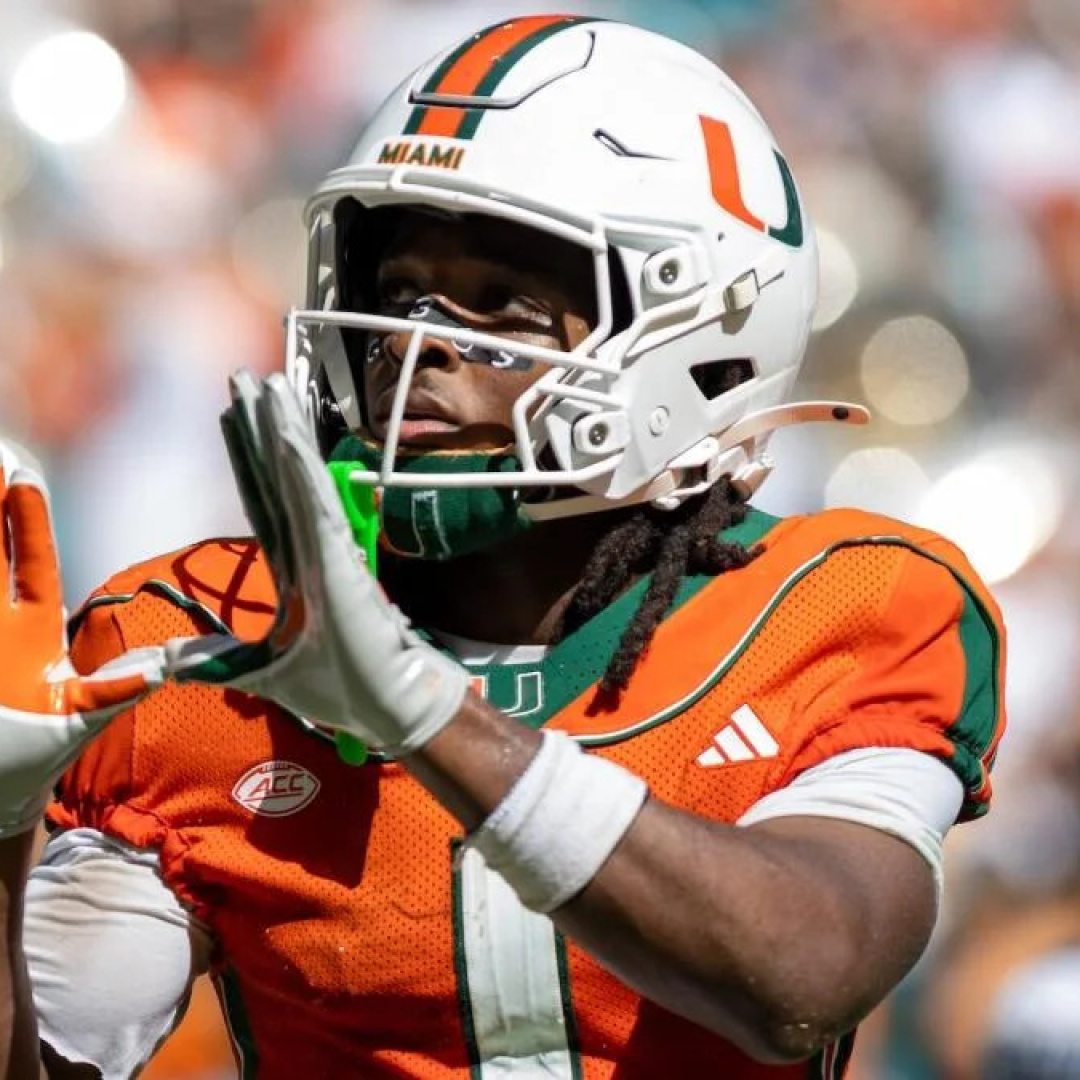
Irvin cited Linda Fletcher, the mother of Miami running back Mark Fletcher Jr., as a prime example of the family involvement that characterizes today's college football landscape. Fletcher, who does not fly, makes the journey to watch her son play by road, and Irvin's production company even arranged for a customized RV adorned with a tribute to her late father. This gesture underscores the lengths families go to support their children in their athletic pursuits.
"Mark Fletcher's mom got an RV, gassed it up, University of Miami, late father on it, put the road games on it because she doesn’t fly. She drives to all the games," Irvin explained. His reflections reveal a deep-seated desire for the kind of familial presence that many athletes today can enjoy, contrasting it with his own experience of growing up in challenging circumstances.
Irvin poignantly noted, "We didn’t have an opportunity to have our moms with us during the time we were trying to pull everyone out of the ghetto. I would have been better if I had this. If I was able to make enough money to say, ‘Mom, come be down here with me and help me.'" This sentiment encapsulates the emotional weight of having family nearby during formative years, particularly in the high-pressure environment of college athletics.
The role of family in athlete success
His comments also extend to his relationships with the mothers of current Miami players, Malachi Toney and Darian Mensah. Irvin argues that having trusted family members close by can provide invaluable guidance for young athletes navigating the complexities of college life and sports. This support system is an advantage that he believes his generation would have greatly benefited from.
While the financial aspects of NIL deals often dominate headlines, Irvin's insights remind us that the benefits can extend far beyond the athletes themselves. Increased earning potential allows players to alleviate financial pressures at home, support their families, or simply have loved ones present during their college careers. This shift in dynamics is a significant development in the landscape of college football.
Despite the legitimate concerns surrounding NIL, such as competitive balance and the financial pressures placed on young athletes, Irvin's perspective sheds light on a more personal side of the issue. His involvement with Fletcher's family exemplifies how relationships within a college football program can continue to support athletes long after they graduate.
It is essential to differentiate between Fletcher's RV and a typical NIL purchase; the vehicle was arranged through Irvin's production company and a commercial partnership rather than being a direct result of NIL earnings. Nevertheless, the underlying message remains compelling: the financial opportunities available to today's athletes can facilitate a level of family support that was previously unattainable.
In conclusion, Irvin's reflections on his college experience and the current NIL landscape highlight that sometimes the most significant benefit of financial success isn't merely what an athlete can buy but rather who they can afford to have beside them during their journey.