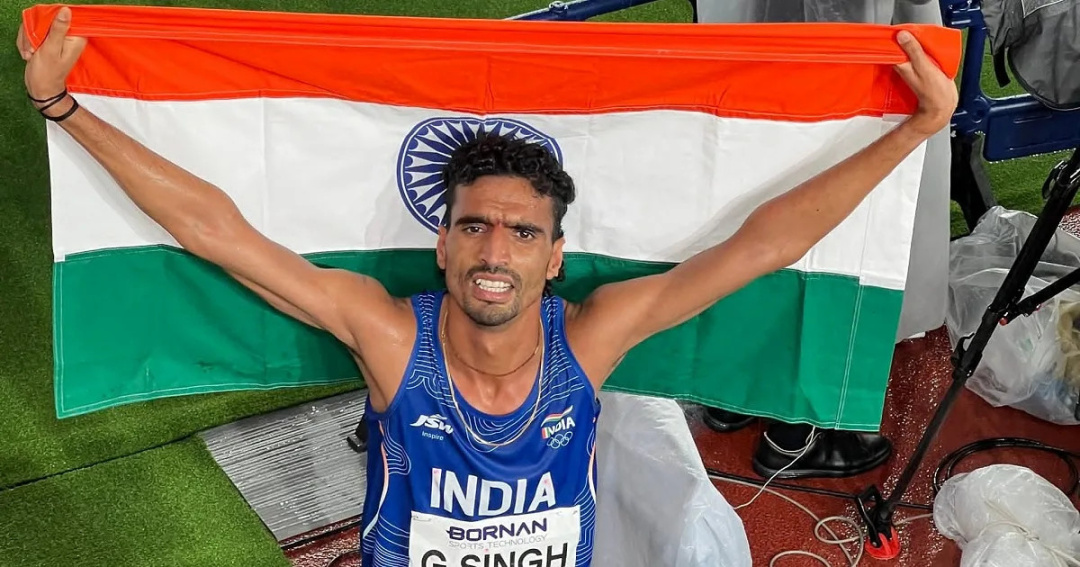
Injury Crisis Hits Indian Athletes at Asian Games, AFI Under Fire
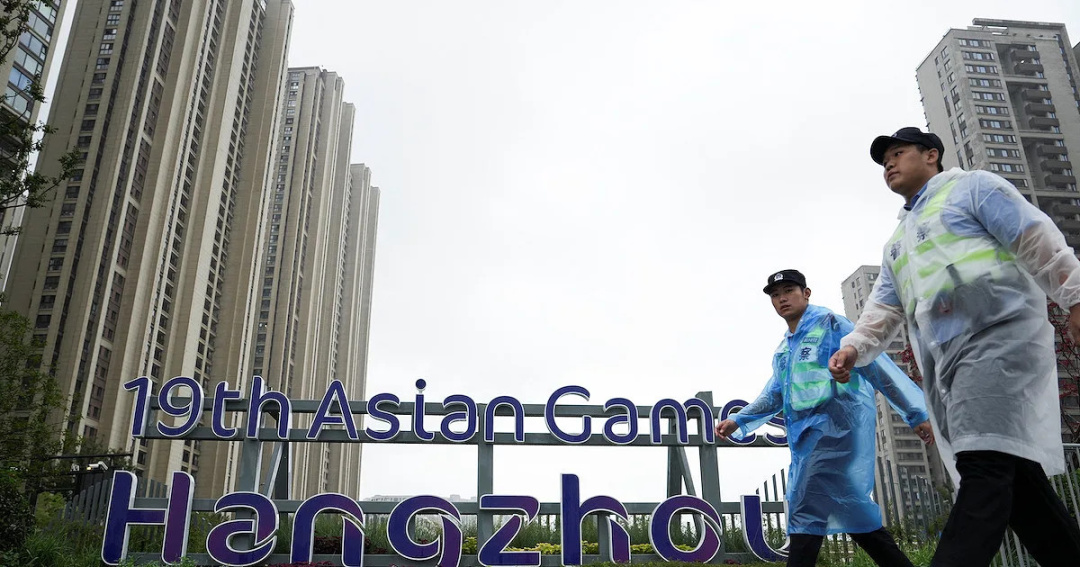
A growing wave of injuries among Indian track and field athletes at the Asian Games has sparked significant concerns regarding their selection process and the overall management of athlete fitness. The situation has escalated, particularly after 400m hurdler Yashas Palaksha pulled up midway through his heat race, raising questions about the criteria used for selecting athletes and the accountability of the Athletics Federation of India (AFI).
Palaksha's injury was not an isolated incident. He had previously missed the Indian Athletics Series Final held on September 10 in New Delhi, where most of the Asian Games-bound athletes participated. Speculation had already begun that he was carrying an injury, which only intensified after his unfortunate performance at the Games.
Gear for the Game
Sponsor success. Continue reading:
Adding to the injury woes, 100m hurdler Jyothi Yarraji and triple jumper Praveen Chithravel also withdrew from competition due to injuries. Yarraji was reported to be suffering from knee stress, while Chithravel struggled with a calf muscle pull. Both athletes had been cleared to compete after their coaches provided medical certificates to the AFI, assuring them of their fitness.
On the day of the race, Palaksha's apparent hamstring injury occurred even before he could clear the first hurdle in his 400m hurdles heat, resulting in a Did Not Finish (DNF) status. An Indian team coach confirmed that his injury had been assessed by the team doctors, but the damage was already done.
Yarraji's withdrawal came after she felt pain during her warm-up for the 100m hurdles, leading to a precautionary decision by the coaching team to pull her from the race. Chithravel attempted his first jump but could not complete it, leaving the pit while holding his calf and was later taken off in a wheelchair, receiving a No Mark (NM) status.
Athletes reflect on their painful withdrawals
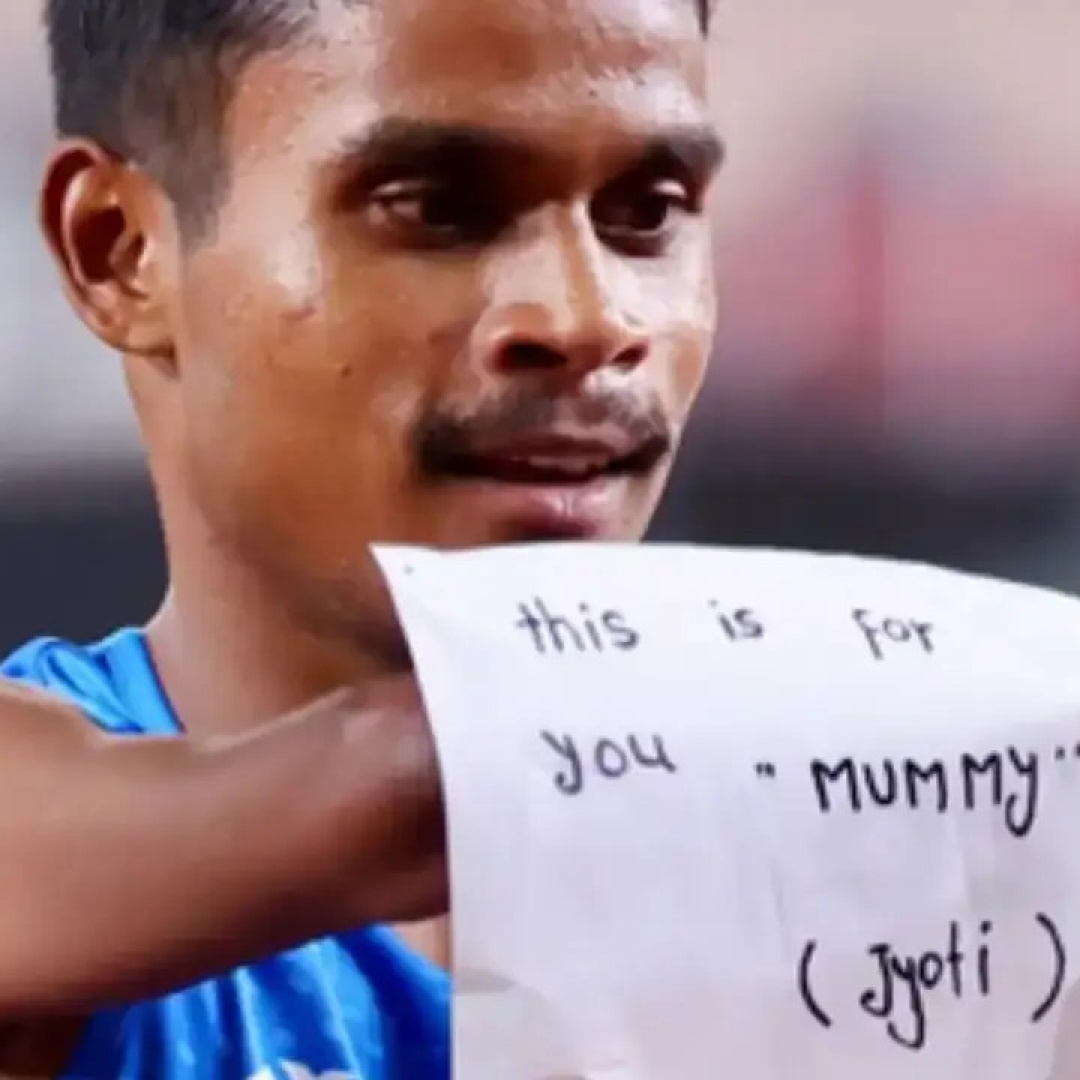
In a heartfelt Instagram post, Yarraji expressed her disappointment, stating, "So much hard work, so many sacrifices, and one dream - to win an Asian Games gold medal. I prepared for this moment with everything I had, but unfortunately, got hamstring injured. Walking away from something I dreamed about is never easy. My team and I did everything we could, but sometimes sport teaches you that not everything is in your hands."
The AFI has defended its athletes, stating that Yarraji had trained fully throughout the preparatory camp and that her long-term fitness was the priority. They tweeted that her discomfort during warm-up warranted the decision to withdraw her from the race. Regarding Chithravel, the AFI noted that he had completed his training program without reporting any injuries prior to the competition, and the decision to withdraw was made by the athlete himself.
In light of these incidents, a top AFI official indicated that the federation would seek explanations from the private entities under which Yarraji and Chithravel are currently training. This scrutiny reflects a growing concern over the management of athlete health and the integrity of the selection process, as the AFI faces mounting pressure to ensure that its athletes are adequately prepared for competition.
The ongoing injury crisis raises critical questions about the effectiveness of the AFI's oversight and the protocols in place to safeguard the health of its athletes. As the Asian Games continue, the spotlight remains on the AFI to address these issues and restore confidence in its ability to manage the nation's track and field athletes effectively.