Ceferin's bold critique of Infantino's FIFA plans
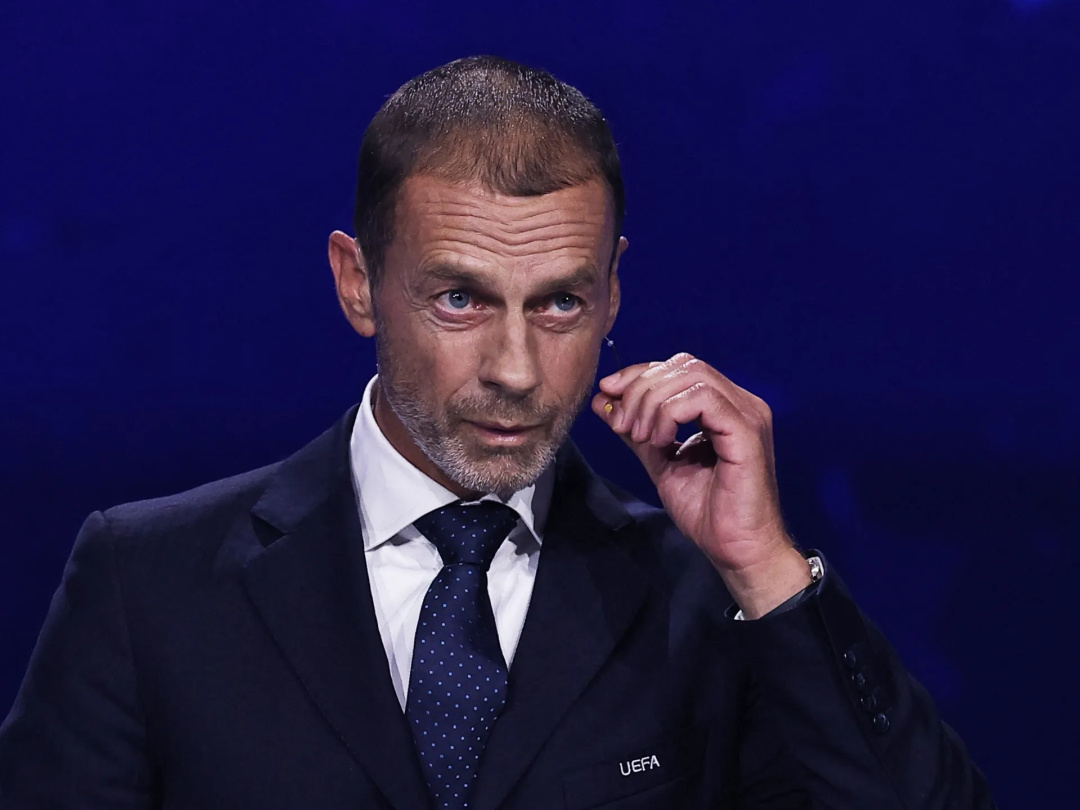
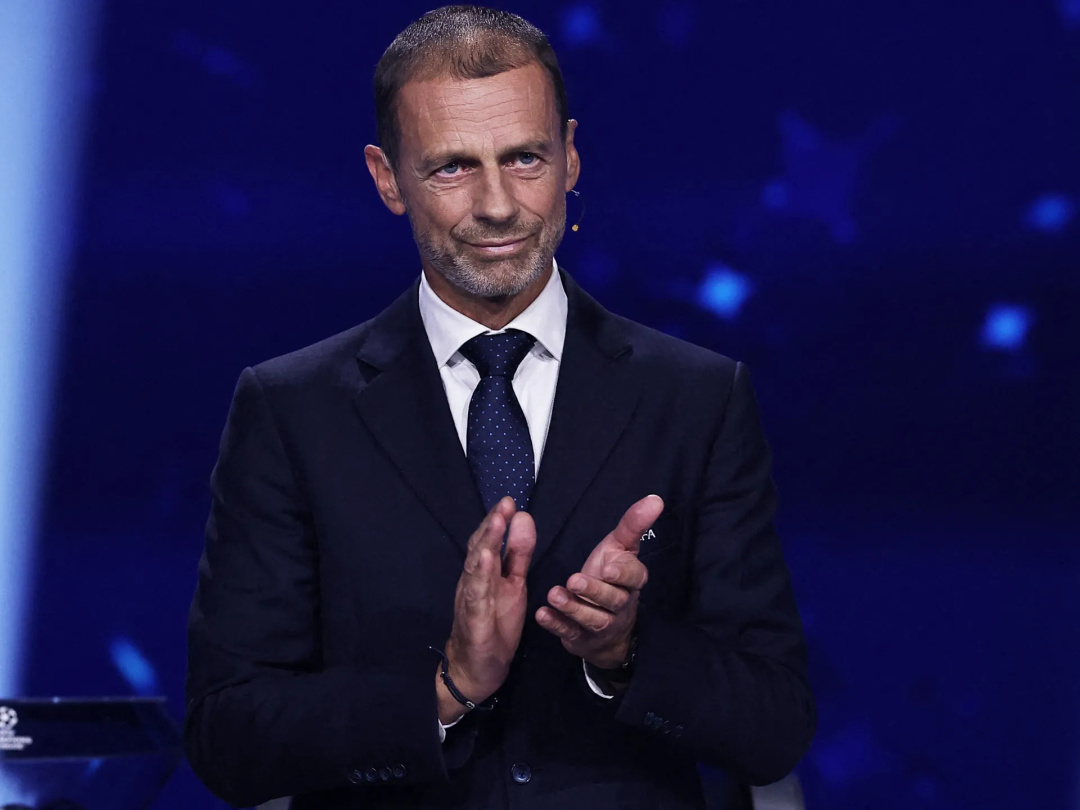
In a striking address at the European Football Clubs General Assembly in Copenhagen, UEFA President Aleksander Ceferin did not hold back in his criticism of FIFA President Gianni Infantino, declaring that "the emperor is naked." This metaphor, drawn from Hans Christian Andersen's classic tale, served as a powerful indictment of Infantino's recent, abandoned plan to sell a stake in FIFA's commercial rights to private investors.
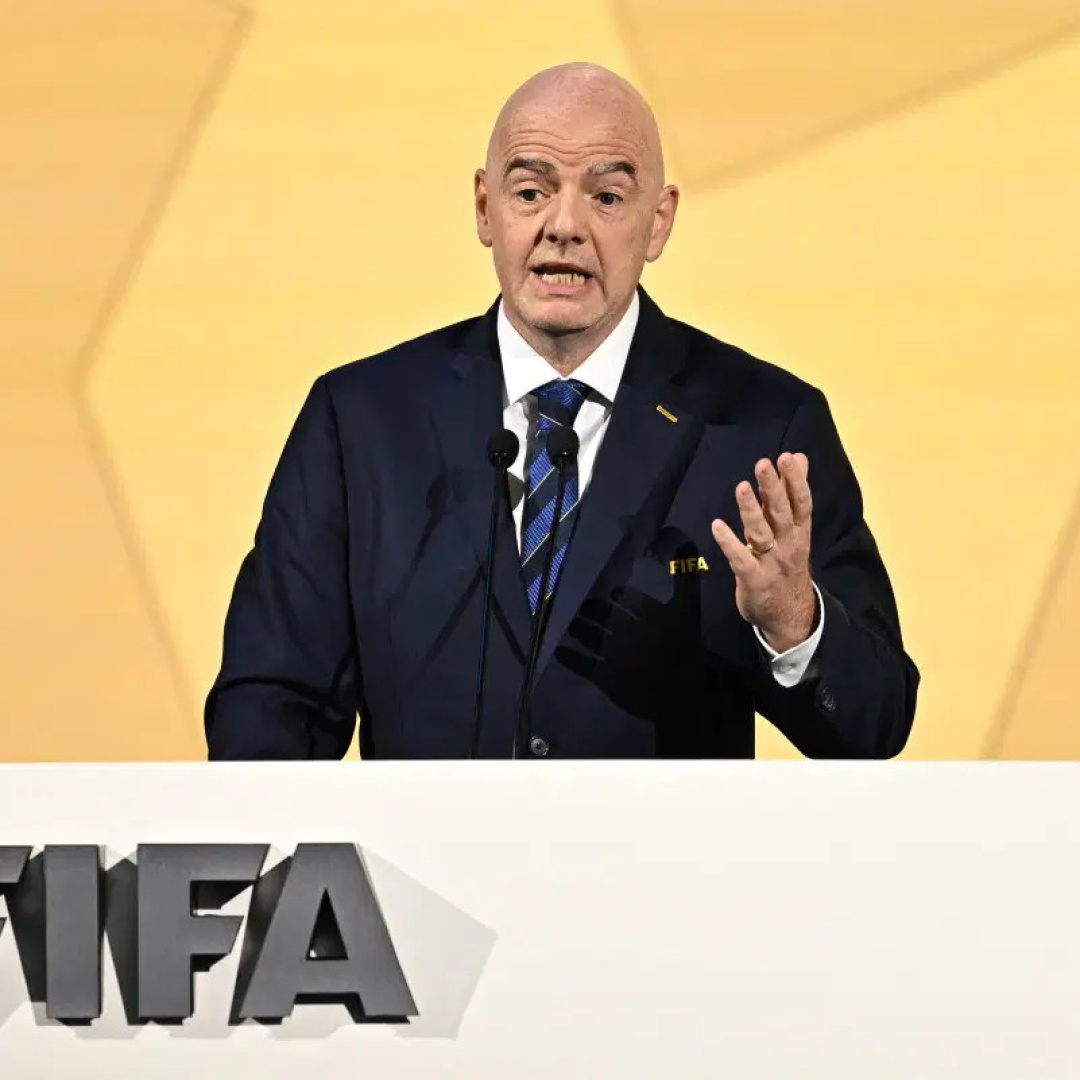
Ceferin's comments came in response to Infantino's proposal, which aimed to create a FIFA-controlled commercial subsidiary that would hold rights to prestigious competitions, including the men's and women's World Cups and the Club World Cup. The plan would have allowed private investors to acquire up to 20 percent of this entity, a move Infantino touted as a means to generate funds for football development. However, the proposal faced significant backlash and was ultimately shelved amid widespread opposition from the football community.
Gear for the Game
Sponsor success. Continue reading:
"Almost 200 years ago, he [Andersen] wrote The Emperor’s New Clothes," Ceferin remarked, drawing parallels between the story's themes and the current state of football governance. He pointed out that the emperor, convinced of his own grandeur, was ultimately exposed by a child's innocent observation. In Ceferin's view, FIFA's rhetoric surrounding the proposal was similarly deceptive, cloaked in terms like "development" and "democratisation" that masked the uncomfortable reality of the situation.
"Selling part of football’s future does not become development because you say it’s ‘development’," Ceferin asserted, challenging the integrity of FIFA's language. He emphasized that the mere act of labeling a secretive negotiation as "consultation" does not make it so, highlighting the need for genuine transparency in decision-making processes.
The call for accountability in football governance
Ceferin's critique extended beyond mere words; he urged club executives to consider the implications of such actions within their own organizations. He posed a hypothetical scenario where a senior official secretly negotiated away control of a club's most valuable assets without informing the board or stakeholders. This analogy underscored the potential dangers of a lack of accountability and transparency in football governance.
As he concluded his remarks, Ceferin called for a collective stand against the erosion of integrity in football. "How many times would this have to happen at your clubs before the world says 'enough'?" he asked, echoing a sentiment that resonated with many in attendance. His passionate plea for accountability and ethical governance in football serves as a reminder of the ongoing challenges facing the sport at the highest levels.
Ceferin's bold stance not only highlights the tensions between UEFA and FIFA but also raises critical questions about the future of football governance. As the sport grapples with issues of transparency, accountability, and the influence of private interests, Ceferin's words may serve as a rallying cry for those advocating for a more equitable and transparent football landscape.