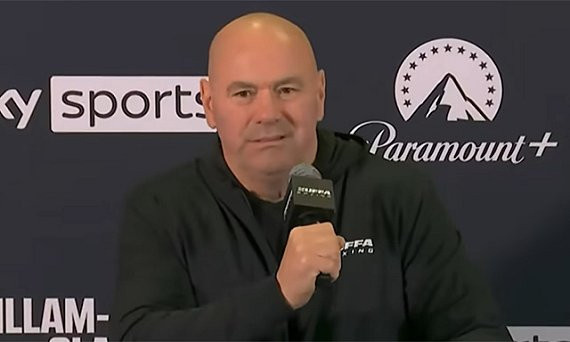
Dana White attributes UK pushback to his boxing ambitions
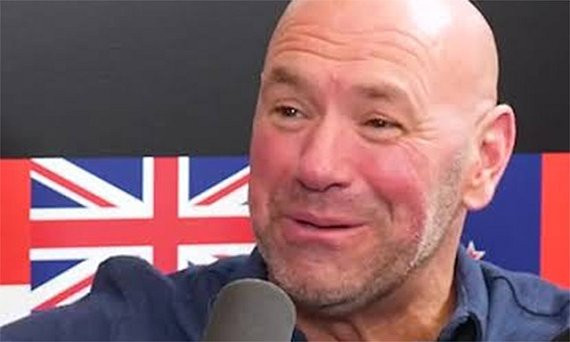
Dana White, the CEO of the Ultimate Fighting Championship (UFC), has recently pointed fingers at the United Kingdom for the resistance he faces in his attempts to expand his role in the boxing world. As the highly anticipated fight between Tyson Fury and Anthony Joshua approaches, set for December 11 at the Principality Stadium in Cardiff, Wales, White's comments have sparked discussions about the evolving landscape of boxing and the traditional power dynamics within the sport.
In a press conference for Dana White's Contender Series, White expressed his belief that the pushback he encounters is primarily rooted in the UK. He characterized the objections from British boxing figures as an “ego thing,” suggesting that established promoters are feeling threatened by his increasing influence. "Boxing has taken a hit in the United States," White remarked, highlighting a shift in the sport's center of gravity. He noted that boxing's prominence in the U.S. has diminished over the past two decades, leading to its current status as a sport that is largely dominated by British fighters and promoters.
Gear for the Game
Sponsor success. Continue reading:
White's comments come at a time when the boxing community is buzzing with excitement over the upcoming Fury vs. Joshua clash, which will be promoted in collaboration with Turki Alalshikh's The Ring. Despite the fight's significance, there has been considerable uncertainty surrounding its organization, with some stakeholders advocating for a U.S. venue to attract a broader audience. However, both Joshua and his promoter, Eddie Hearn, have been vocal about their preference for keeping the event in the UK, where boxing has a rich tradition and a passionate fan base.
White's clash with boxing tradition
The tension between White and traditional boxing promoters is palpable, as he continues to assert his vision for the sport's future. He believes that the complaints and resistance he faces are symptomatic of a larger issue within boxing, where established figures are reluctant to embrace new ideas and approaches. This resistance, according to White, is not just a personal affront but a reflection of the sport's struggle to adapt to changing times.
As the fight date approaches, the dynamics between White, Fury, Joshua, and the broader boxing community will be closely scrutinized. The outcome of this bout could have significant implications for the future of boxing, particularly in how it navigates the intersection of traditional practices and modern promotional strategies. White's involvement in boxing may be met with skepticism, but it also represents a potential shift in how the sport is marketed and perceived globally.
The clash between Fury and Joshua is not just a sporting event; it is a pivotal moment that could redefine the boxing landscape. With White's ambitions at play, the fight serves as a litmus test for the sport's ability to adapt and thrive in an era where new voices and ideas are emerging. As the boxing world watches closely, the question remains: can traditional promoters coexist with the new wave of influence that figures like White bring to the table? The answer may lie in the outcome of this monumental fight, which promises to be a spectacle not just for the fans but for the future of boxing itself.