RFK Racing Faces New Chapter as Keselowski Departs
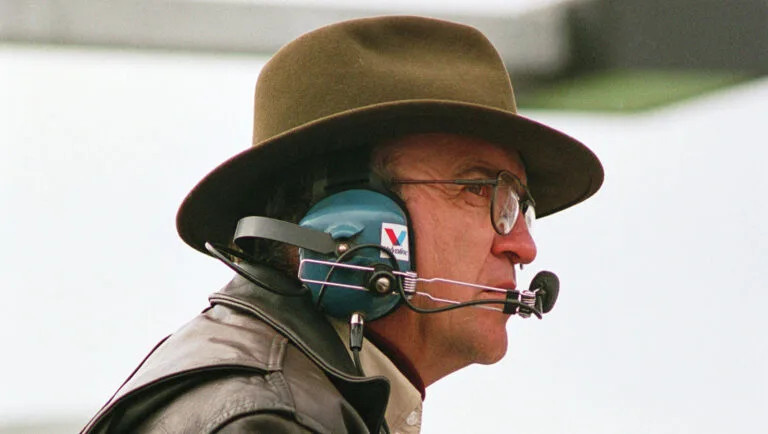
Long before RFK Racing became a recognizable name in NASCAR, there was Jack Roush, who entered the Cup Series in 1988 with a single Ford and driver Mark Martin. This marked the beginning of a journey that would see Roush build an organization that not only thrived but also became a cornerstone of NASCAR history.
Roush's entry into NASCAR was not a random venture; he was already an accomplished engineer and racer, having established winning programs in drag and road racing. His first Cup team, launched with Martin, quickly made waves, securing its first victory at North Carolina Motor Speedway in 1989. This initial success laid the groundwork for what would become a formidable racing empire.
Gear for the Game
Sponsor success. Continue reading:
Over the years, Roush Racing evolved into a powerhouse, producing stars like Matt Kenseth, Kurt Busch, and Carl Edwards. The organization expanded across NASCAR's national series, amassing championships and accolades. The pinnacle of Roush's success came in 2005 when five of his cars qualified for the Chase for the Cup, a feat that showcased the depth of talent within the organization.
Roush's drivers have collectively won eight championships across NASCAR's three national series, with notable victories including Kenseth's championship in 2003 and Busch's in 2004. The organization reached significant milestones, including 100 Cup victories in 2007 and surpassing one million Cup Series miles in 2010. However, the landscape of NASCAR began to shift, and Roush's once-dominant presence started to wane.
Keselowski's impact and RFK's uncertain future
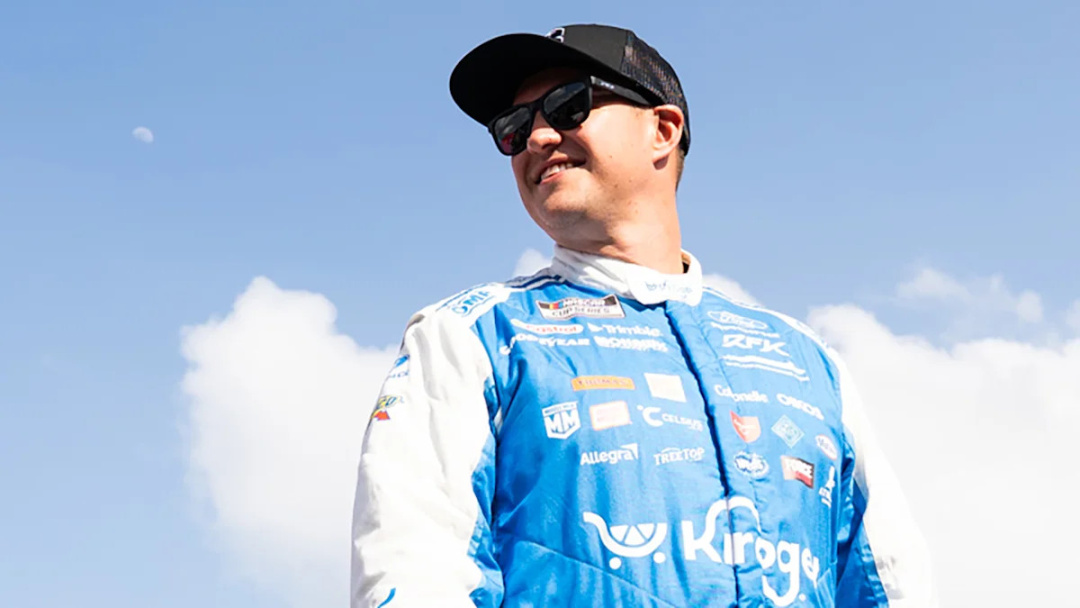
In 2021, Brad Keselowski joined RFK Racing, not just as a driver but as a co-owner, marking a new chapter for the organization. His arrival was seen as a pivotal moment, signaling a potential resurgence for RFK Racing. Under his leadership, Chris Buescher emerged as a winner, and the team expanded to three full-time cars, a return to Roush's roots.
However, the announcement that Keselowski would leave after the 2026 season raises questions about the future direction of RFK Racing. The organization is now tasked with finding a new head of competition and a driver for the flagship No. 6 Ford. Despite these challenges, RFK Racing remains committed to fielding three Cup cars in 2027 and pursuing a third charter, indicating a determination to remain competitive in the evolving NASCAR landscape.
As RFK Racing navigates this transitional phase, it is essential to recognize the legacy of Jack Roush, whose vision and leadership have shaped the organization for nearly four decades. The departure of Keselowski marks the end of an era, but it also presents an opportunity for RFK Racing to redefine itself and continue its pursuit of excellence in NASCAR. The journey from a single Ford in 1988 to a multi-car operation is a testament to Roush's enduring impact on the sport, and the future holds both challenges and possibilities for RFK Racing as it moves forward.