India's Asian Games Success: Cricket Stars Shine Amid Late Gold Rush
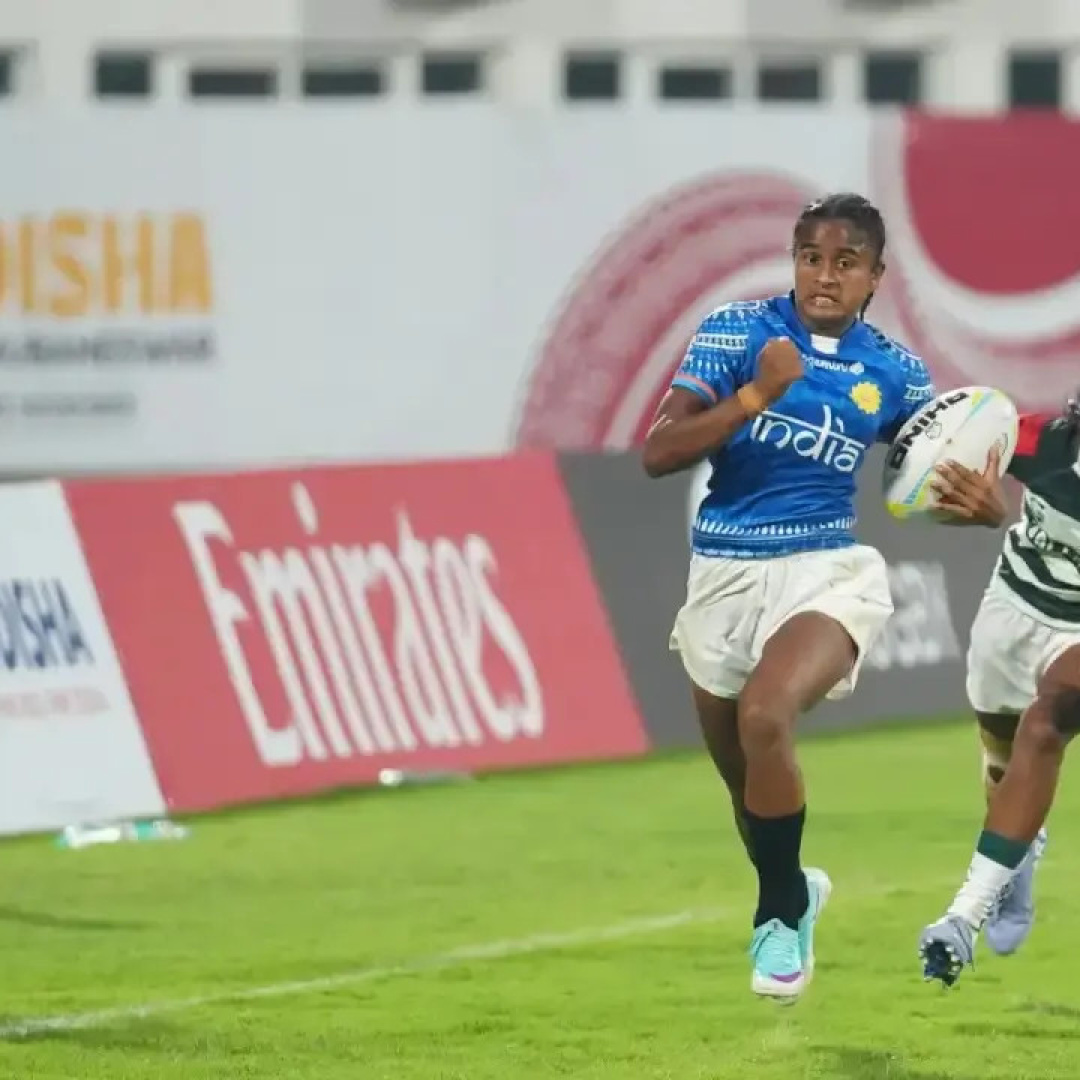
India's performance at the Asian Games in Nagoya has been a rollercoaster of emotions, culminating in a commendable fourth place finish with a total of 85 medals, including 21 golds. The final days of the event saw a significant surge in gold medals, particularly from the cricket and hockey teams, alongside historic individual victories from young athletes like 17-year-old archer Kumkum Mohod and golfer Pranavi Urs.
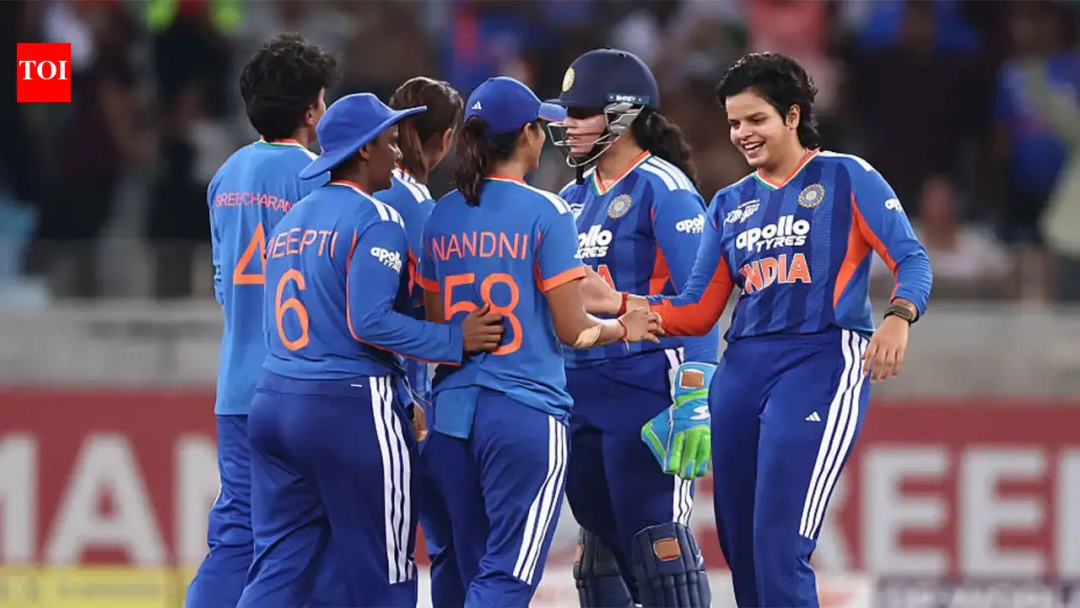
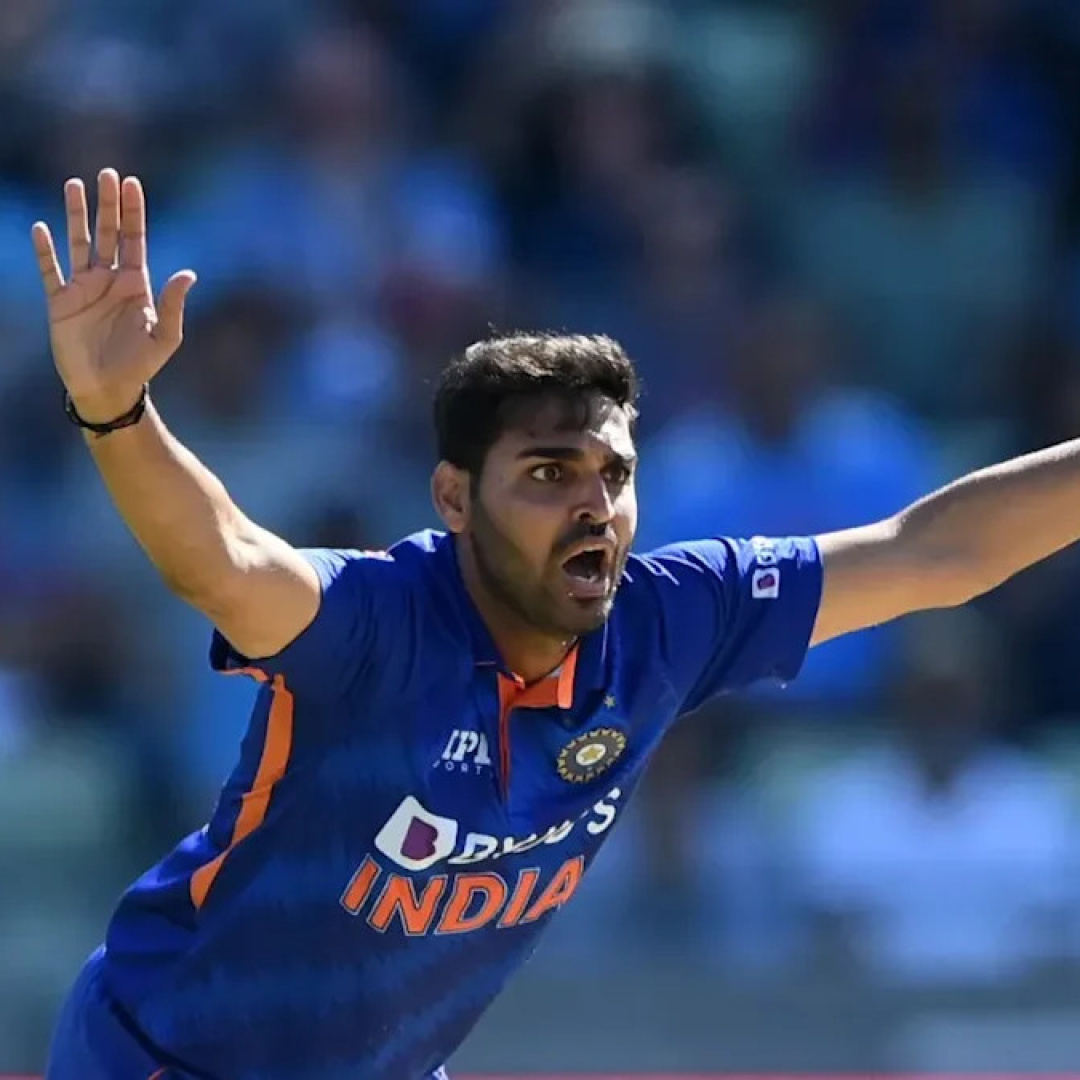
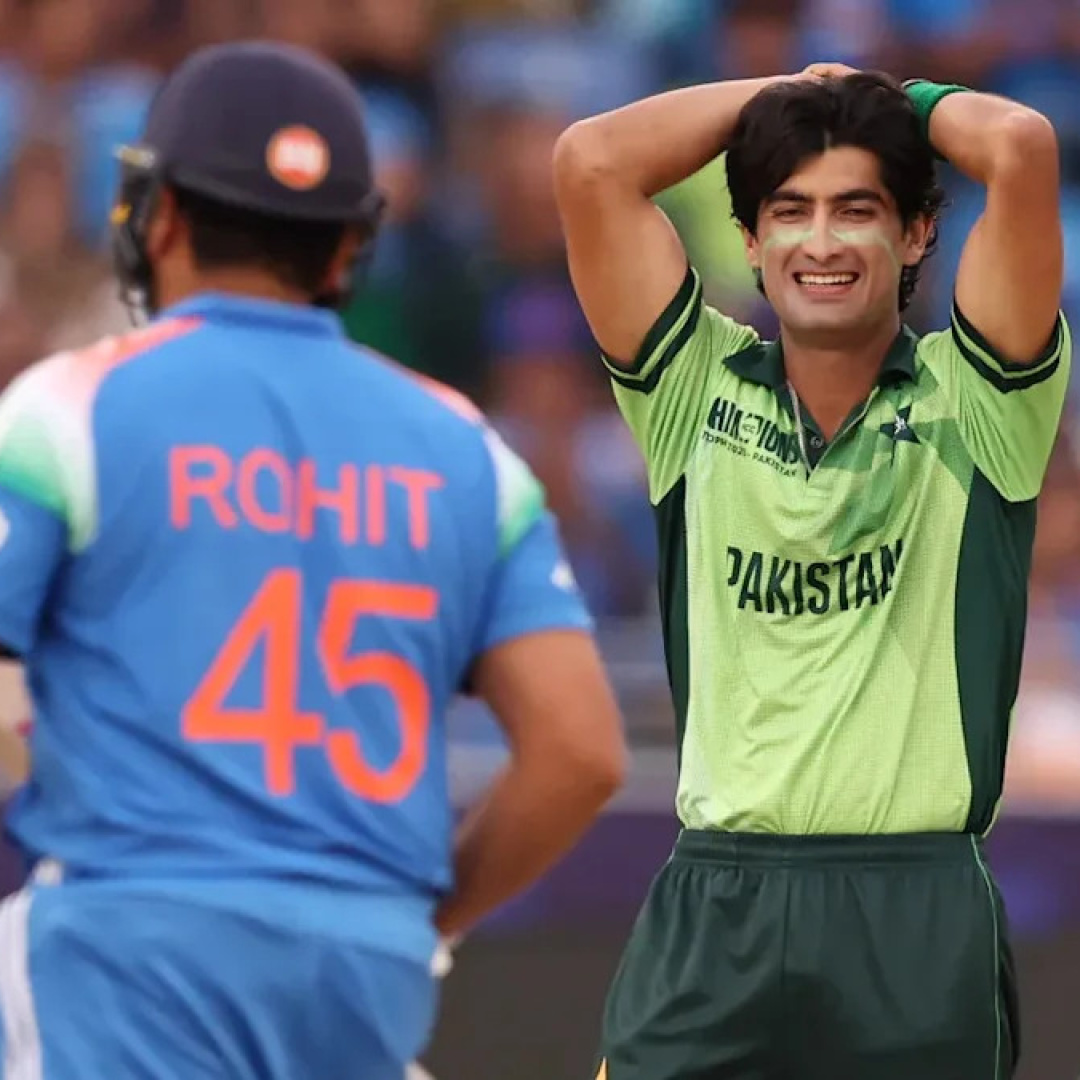
The cricket team, led by Shreyas Iyer, showcased their dominance by clinching the gold medal with a 19-run victory over arch-rivals Pakistan. This match was not just a display of skill but also a testament to the team's resilience, as they posted a formidable score of 211 for 6. Abhishek Sharma's explosive innings, where he scored 61 runs off just 28 balls, was pivotal in setting up the win. Pakistan's Hasan Nawaz put up a valiant effort with a score of 96, but ultimately, the Indian bowlers, including Jasprit Bumrah and Washington Sundar, ensured that the victory was secured, extending India's dominance over Pakistan in T20 encounters.
Gear for the Game
Sponsor success. Continue reading:
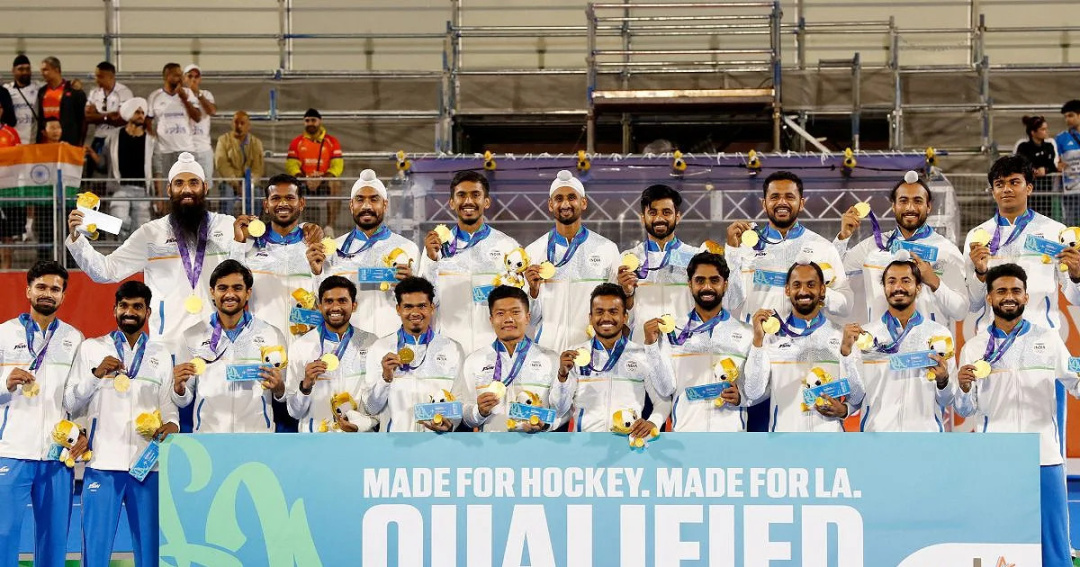
Meanwhile, the hockey team also delivered a stellar performance, defeating Malaysia 5-1 in the final. Captain Harmanpreet Singh was instrumental, scoring two goals and leading his team to not only gold but also securing a spot in the 2028 Olympic Games. This victory marked a historic moment as it was the first time both the men's and women's hockey teams won gold in the same edition of the Asian Games, with the women's team having triumphed over defending champions China just a day earlier.
Historic wins redefine Indian sports landscape
However, the standout stories of the day were undoubtedly Kumkum and Pranavi. Kumkum made history by becoming the first Indian woman to win an individual recurve gold medal, finishing her campaign with two golds and a silver. Her journey to gold was remarkable, defeating world-class opponents, including reigning world champion Kang Chaeyoung in the quarterfinals. Pranavi, on the other hand, achieved a historic win in golf, securing the individual gold while also contributing to the women's team silver. Her calm demeanor under pressure, especially after recovering from a triple bogey, showcased her potential as a rising star in Indian sports.
In addition to these highlights, Aman Sehrawat also shone brightly, upgrading his previous bronze to gold in wrestling, while Antim Panghal's bid for gold ended in disappointment against Japan's Moe Miyooka. Overall, India's performance, while falling short of the 106 medals claimed in the previous edition, was still a commendable effort, particularly in the face of high expectations from shooters and badminton players.
As the Asian Games concluded, the Indian contingent's late gold rush not only highlighted the depth of talent in the country but also set the stage for future competitions, including the upcoming Olympic Games. The achievements of young athletes like Kumkum and Pranavi signal a promising future for Indian sports, as they continue to break barriers and set new standards on the international stage. With a total of 21 golds, 27 silvers, and 37 bronzes, India's performance at the Asian Games will be remembered as a significant chapter in its sporting history.