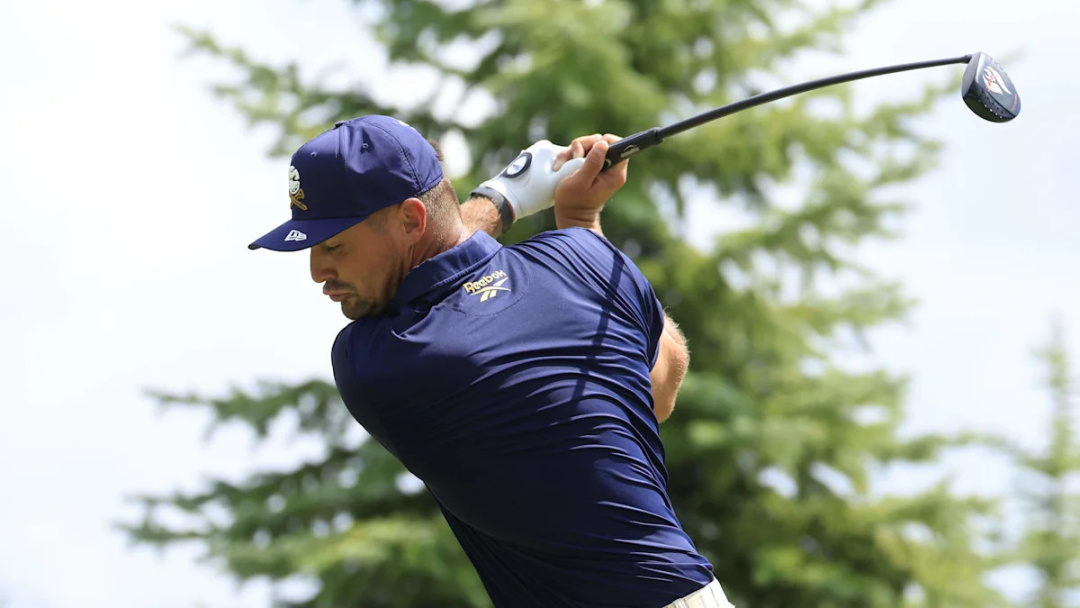
DeChambeau's Path Back to the PGA Tour Is Fraught with Challenges
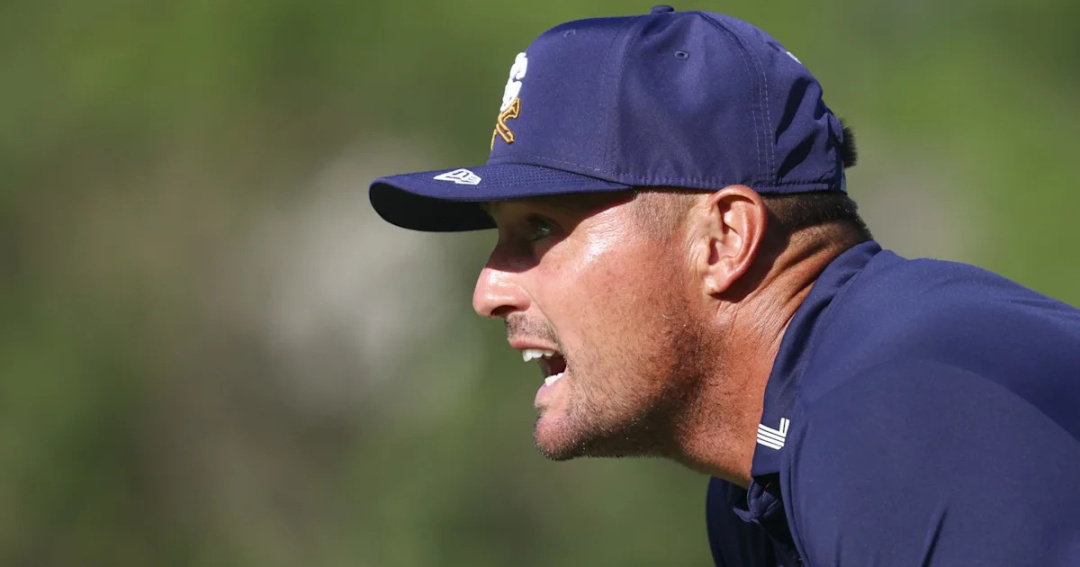
Brooks Koepka's return to the PGA Tour in January ignited optimism about a possible reconciliation between the PGA and LIV Golf. However, that hope has not materialized into a broader trend, as other players like Bryson DeChambeau, Jon Rahm, and Cameron Smith have opted not to follow Koepka's lead. This raises a pressing question for the sport: if these high-profile players wish to return, will they be welcomed back? The answer is contingent on their past actions and the current climate within the tour.
According to Yahoo Sports, DeChambeau's situation is particularly precarious compared to his peers. While Koepka's return was a singular event, DeChambeau's path appears obstructed. Eamon Lynch of Golfweek has provided a stark assessment, indicating that not all players will find it easy to reintegrate into the PGA Tour. The complexities surrounding DeChambeau's potential return are not merely about his golfing prowess; they also involve financial implications and public perception.
Gear for the Game
Sponsor success. Continue reading:
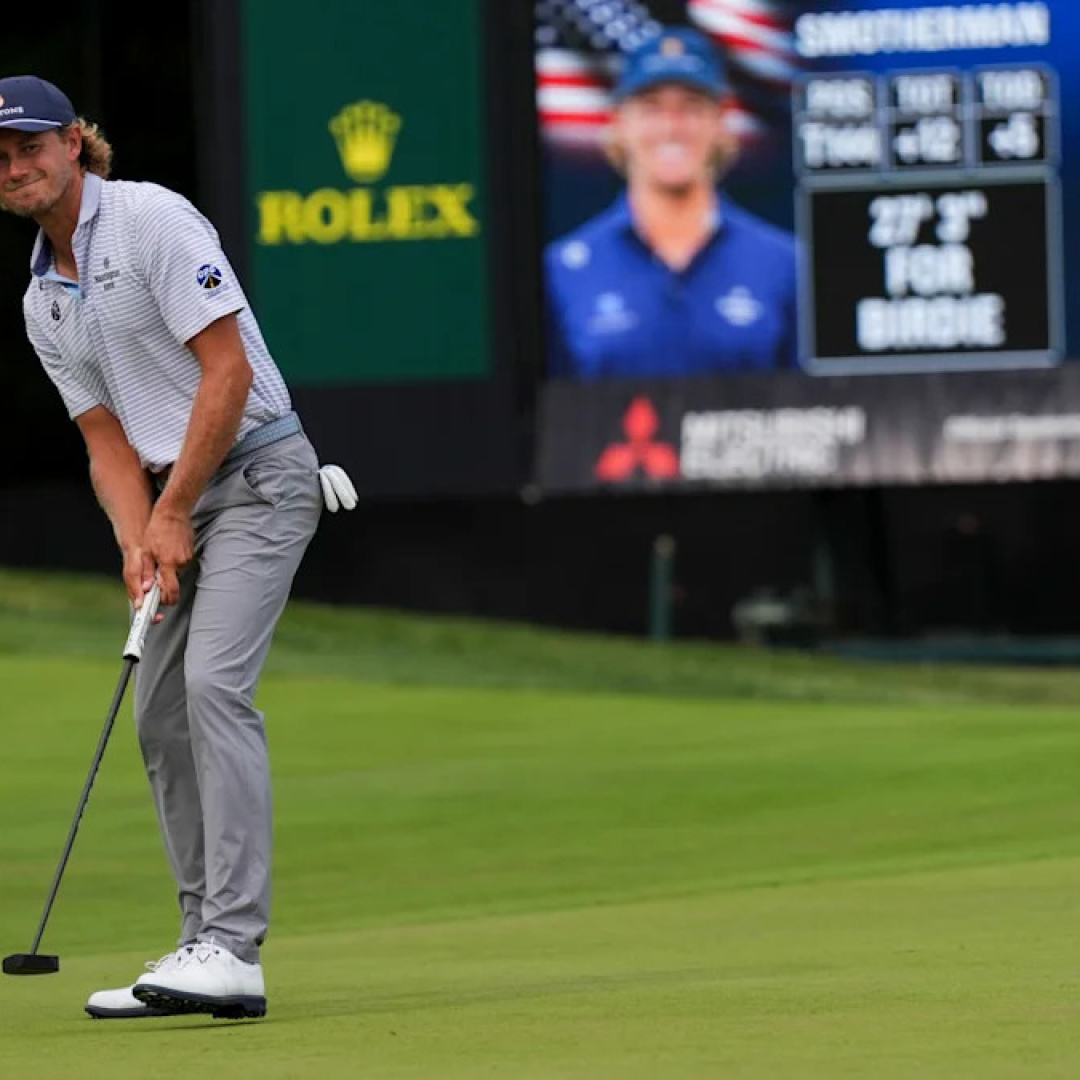
Lynch suggests that PGA Tour CEO Brian Rolapp may advocate for players who enhance the tour's appeal, citing names like Jon Rahm and Cam Smith as examples. However, these names are Lynch's interpretations rather than an official list from the PGA Tour, which complicates DeChambeau's standing should he seek to return. The barriers he faces extend beyond performance; they encompass the need for players to acknowledge their previous decisions and possibly relinquish their equity in the tour's business.
Moreover, Lynch speculates that any returning player might be required to make a significant charitable contribution, potentially exceeding Koepka's reported $5 million donation. These expectations, while not formally established by the tour, outline the substantial demands that could accompany a return to the PGA Tour.
DeChambeau's controversial ties complicate return
The promotion of LIV Golf 2.0 has reportedly created friction among PGA Tour board members, with DeChambeau often at the center of this controversy. His association with LIV Golf is viewed as a liability, leading to skepticism about his potential return. While players like Rahm and Smith are seen as assets capable of drawing crowds, DeChambeau's brand is intertwined with the division that the PGA Tour is eager to move past.
The silence from DeChambeau and others regarding the tour's invitation speaks volumes about the current dynamics. Fans are eager to see the best players compete together, but the business realities are stark. If DeChambeau wishes to return, he must navigate a treacherous landscape filled with obstacles, including the potential loss of his stake in a rival tour and the likelihood of a hefty charitable payment.
The golf community is closely monitoring these developments. While Koepka's return was unexpected, a return for DeChambeau would be nothing short of shocking. The PGA Tour's current stance appears to favor players who align with its narrative, and DeChambeau does not fit that mold at present. Until either the tour's position shifts or DeChambeau alters his approach, the divide between the two tours remains firmly in place.