Expansion Teams Face Unique Challenges in NRL and AFL
The 2026 Australian Football League (AFL) and National Rugby League (NRL) seasons have concluded with the Brisbane Lions and Sydney Roosters celebrating their triumphs. However, as these premiers bask in glory, three new teams are gearing up to make their mark on Australia’s two major football codes.
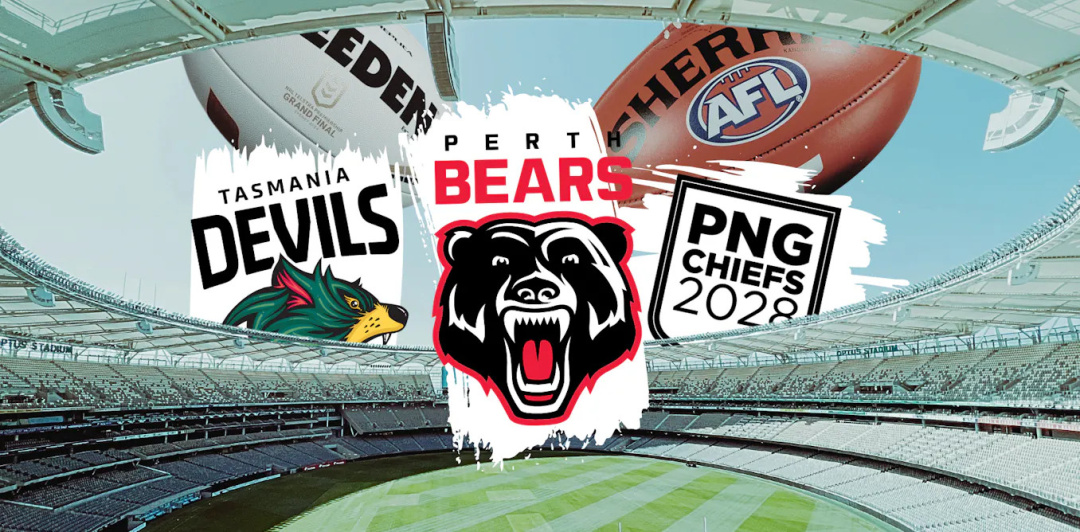
In the coming 18 months, the Perth Bears (NRL and NRLW) will debut in 2027, followed by the Papua New Guinea Chiefs (NRL) in 2028, and the Tasmania Devils will join the AFL/AFLW in 2028. These expansions are not merely about adding teams; they represent a strategic shift in the landscape of Australian sports.
Gear for the Game
Sponsor success. Continue reading:
The emergence of the Bears, Devils, and Chiefs is largely attributed to the involvement of both state and federal governments. Tasmania, a region with a rich football culture, has long sought its own team, finally receiving approval in 2023. However, the state faced challenges, including the absence of a modern stadium and a sustainable business model. To address this, the Tasmanian government has committed approximately A$12 million annually and is covering a significant portion of the new stadium's estimated $1 billion cost.
The Perth Bears represent a unique case of revival and expansion. This new team not only extends the NRL's reach beyond the traditional strongholds of New South Wales, Queensland, and Victoria but also resurrects the North Sydney Bears, a foundation club that exited elite competition in 1999. The WA government has pledged around $85.6 million to support the establishment of this club, which aims to blend the historical identity of the Bears with a fresh fanbase in Western Australia.
The Chiefs, meanwhile, are a response to the long-standing desire of the Papua New Guinea government to establish a team in Port Moresby, where rugby league is the national sport. Despite previous financial concerns, NRL CEO Peter V’landys has secured an estimated $600 million in federal funding, a move that coincides with Australia’s strategic interests in the Pacific region.
New teams must balance ambition and reality
What must these new teams prioritize as they prepare for their inaugural seasons? Winning is the most obvious goal, as success on the field can significantly enhance fan engagement, attract talent, and secure sponsorships. However, the challenge lies in overcoming the established teams that are equally determined to maintain their dominance.
Equally important is the cultivation of a robust high-performance culture. The early decisions made by these teams will shape their long-term identity, influencing accountability and leadership norms. Club leaders face the dilemma of setting realistic expectations: should they promise immediate success or advocate for patience as they build their squads?
Commercial success is often tied to a passionate fan community, which is crucial for sustainability. Research indicates that creating a sense of belonging through shared experiences, traditions, and facilities is vital for fostering a loyal fanbase. Unfortunately, these elements may be scarce in the initial stages for expansion teams.
The fate of the Bears, Chiefs, and Devils remains uncertain as they prepare to take the field. Some expansion teams have thrived quickly, such as the Melbourne Storm and Brisbane Broncos, while others, like the Brisbane Lions and Gold Coast Suns, have taken years to find their footing. Early recruitment efforts appear promising, with the Bears attracting notable players like Josh Curran and Gehamat Shibasaki, while the Chiefs have secured talents such as Zac Lomax and Jarome Luai. The Devils have hinted at signings but have yet to disclose names.
As the 2026 season concludes, the Lions and Roosters will be remembered as champions, but the real story may lie in how these new teams navigate their inaugural journeys and strive to build competitive squads capable of challenging for titles in the years to come.