De La Hoya's 'Second Class' Remark Reignites British Boxing Debate
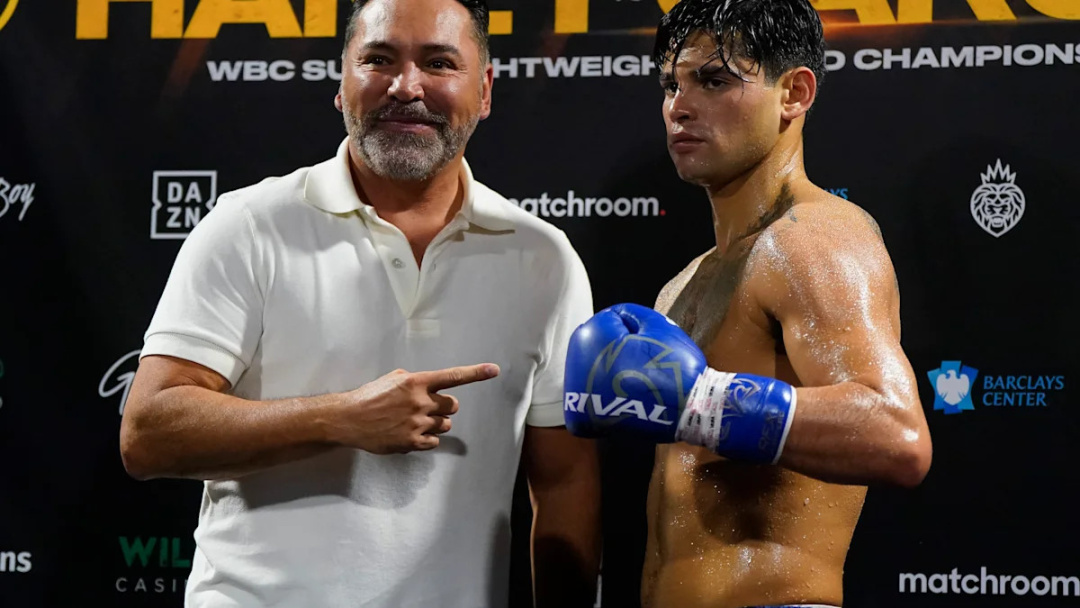
Oscar De La Hoya has ignited a fresh debate in the boxing world by labeling British boxing as 'second class' compared to its American counterpart. This assertion came shortly after Ryan Garcia's impressive stoppage victory over Conor Benn, which took place in Las Vegas on September 12. De La Hoya, the founder of Golden Boy Promotions, made these remarks during an appearance on The Ariel Helwani Show, where he praised the popularity of boxing in the UK but expressed skepticism about the development of British fighters.
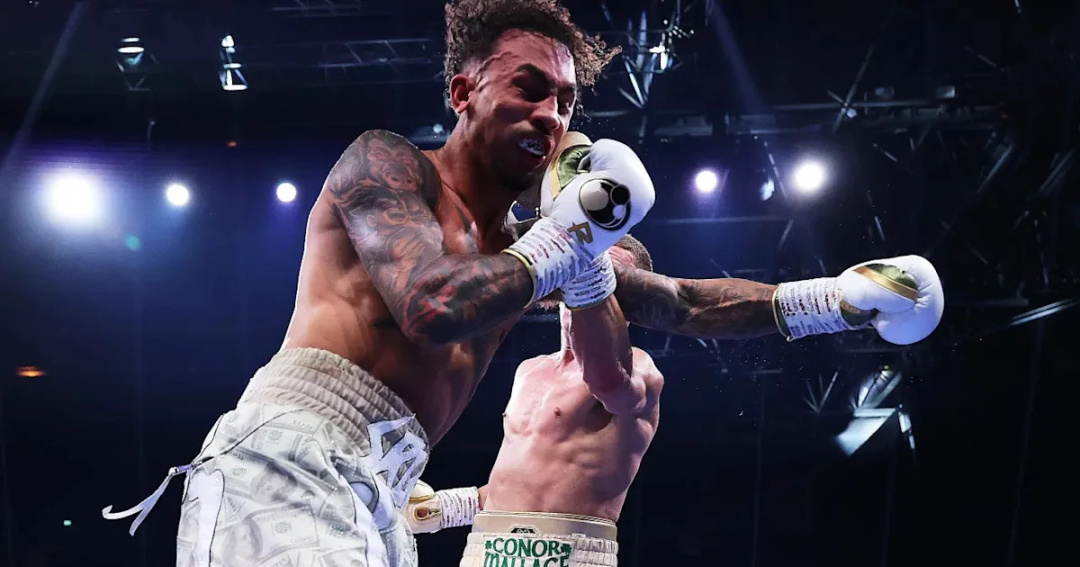
Garcia's win over Benn, who entered the ring unbeaten in 26 professional bouts and was challenging for a world title for the first time, has fueled the ongoing discourse regarding the strength of British boxing. De La Hoya's comments were particularly striking given the context of the fight, where Garcia showcased his skills by dropping Benn early in the second round before the referee halted the contest at 1:25.
Gear for the Game
Sponsor success. Continue reading:
In his critique, De La Hoya acknowledged the significant following boxing has in the UK but questioned whether British fighters receive the necessary training and experience to compete with the elite in the United States. "I love the fact that boxing is huge in the UK… but the fighters are not really developing to that championship level," he stated. "Once you come to the U.S. and fight the real talent, then you see the reality of UK boxing. It’s subpar, it’s second class to U.S. boxing."
The implications of De La Hoya's comments are profound, as they touch on the broader issue of how fighters are nurtured and prepared for international competition. While Benn's loss marked his first stoppage defeat in 27 fights, it also raised questions about the level of opposition he faced prior to this bout. His trainer, Tony Sims, later indicated that Benn would not return to the welterweight division due to the difficulties he encountered in making weight, despite the financial incentives.
Boxing's commercial success and future matchups
The fight itself attracted a sold-out crowd of nearly 19,000, with gate receipts exceeding $8 million, underscoring the commercial viability of boxing events in both the UK and the U.S. Garcia's victory not only improved his record to 26-2 but also set the stage for potential unification bouts, as he called for a fight against Teofimo Lopez.
De La Hoya's remarks have reignited a long-standing debate about the development pathways available to fighters in different countries. He pointed to disparities in training environments, sparring opportunities, and the caliber of opponents faced by fighters before they reach the world stage. This has led to a divided reaction on social media, with some fans defending the UK's track record of producing world champions, while others argue that Benn faced tougher competition than usual prior to his encounter with Garcia.
The aftermath of the fight has also introduced tension between Garcia and De La Hoya, as the young fighter expressed disappointment over De La Hoya's absence from ringside during the match, despite having a seat available. This dynamic adds another layer to the ongoing narrative surrounding the fight and the contrasting perspectives on boxing's future in both the UK and the U.S.
Ultimately, De La Hoya's comments serve as a catalyst for a broader discussion about the state of boxing on both sides of the Atlantic. While British boxing continues to produce champions, the question remains whether the current systems in place adequately prepare fighters for the rigors of international competition. The Garcia-Benn fight exemplifies the complexities of this debate, but it does not provide a definitive answer. As boxing evolves, the dialogue surrounding the development of fighters and the quality of competition will undoubtedly continue to be a focal point for fans and analysts alike.