Gillespie Questions Cricket Australia's Treatment of Smith Post-Sandpapergate
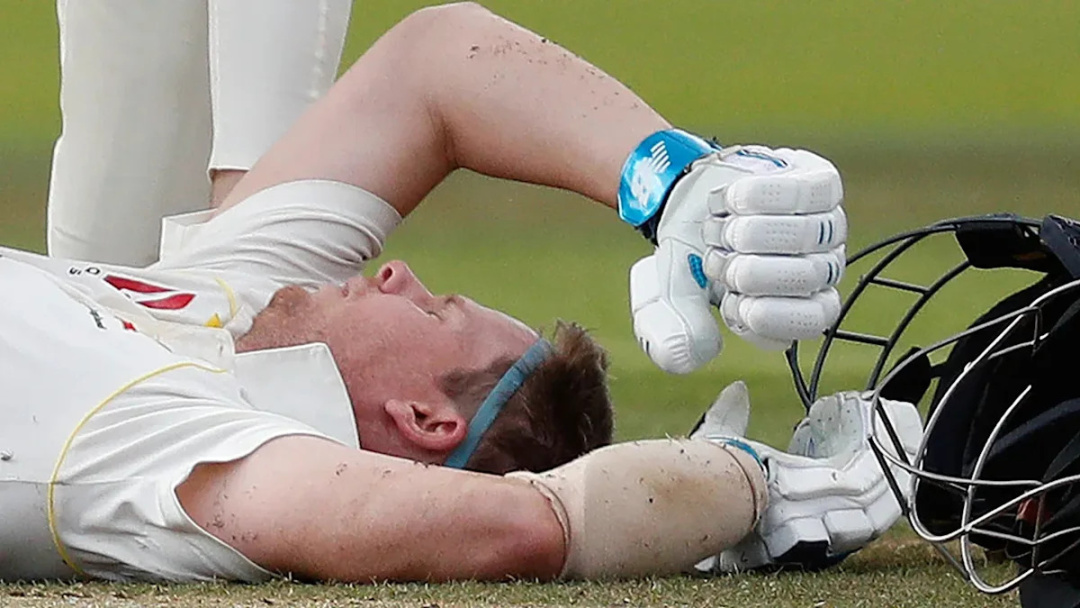
As Australia gears up for its first Test series in South Africa since the infamous Sandpapergate scandal, the echoes of that controversy are once again reverberating through the cricketing world. Steve Smith, who was captain during the scandal at Newlands in March 2018, now serves as Pat Cummins' vice-captain. The first Test is set to commence in Durban on October 9, and with it comes a renewed scrutiny of how Cricket Australia managed the fallout from the incident.
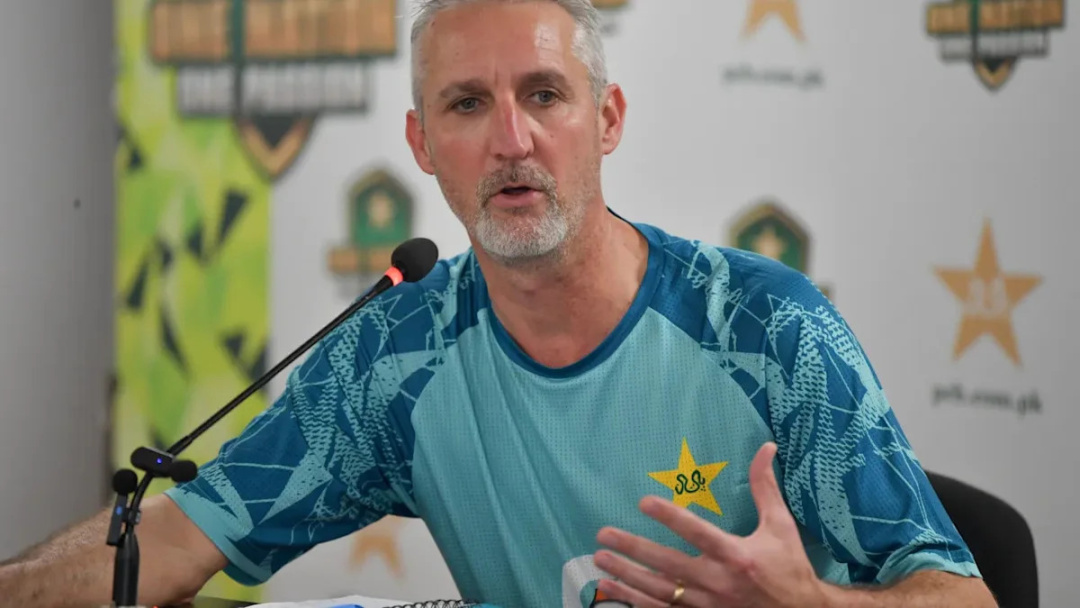
Former Australian fast bowler Jason Gillespie, who was coaching Sussex in England at the time of the scandal, has openly questioned the way Cricket Australia handled Smith's situation. Gillespie admits that he was caught off guard by the media frenzy surrounding the incident, stating, "I had no real answers for the media because I was not there and did not know what had happened."
Gear for the Game
Sponsor success. Continue reading:
While Gillespie acknowledges that the players involved were wrong, he argues that the response from Cricket Australia was inadequate and that the punishments meted out were inconsistent. He anticipates that the South African crowds will not let the Australians forget the past, adding a layer of tension to the upcoming series.
On the podcast "The Fast Bowling Cartel," Gillespie criticized the manner in which Smith was thrust into the media spotlight following the scandal. "I just feel Cricket Australia, the team management, possibly could have handled that better rather than just throw Steve Smith in front of the press," he remarked. This sentiment reflects a broader concern about the lack of support Smith received during a tumultuous period in his career.
Gillespie critiques Cricket Australia's player support
Gillespie's comments highlight a significant issue: the failure of Cricket Australia to protect its players during a crisis. He stated, "Cricket Australia just did not support the players at all," suggesting that this lack of backing may have fostered resentment among the team. Gillespie was unequivocal about the players' misconduct, asserting, "The lads did the wrong thing. Absolutely. And they needed to be punished." However, he questioned whether the severity of the sanctions was justified, asking, "Did the punishment fit the crime? Maybe not."
The sanctions imposed by Cricket Australia were severe: Smith and David Warner received 12-month bans, while Cameron Bancroft was banned for nine months. Additionally, Smith was barred from holding leadership roles for two years, and the ICC added a one-match ban and a fine equivalent to his full match fee. Gillespie contrasted these harsh penalties with the more lenient sanctions faced by players in other contexts, noting that some received only one-match suspensions and 50 percent fines.
Gillespie anticipates intense reception in South Africa
As Gillespie prepares to travel to South Africa to watch the series, he is acutely aware of the atmosphere that awaits the Australian team. "The South African crowds aren't going to let Australia off at all. No doubt about it," he warned. His recent travels in Zimbabwe revealed that the cricketing community is still very much engaged with the narrative surrounding Smith and the scandal. With the third Test scheduled for October 27, it is likely that the reception for Smith will be particularly intense, as he remains the figure most closely associated with the scandal.
In summary, Gillespie's critique of Cricket Australia's handling of the Sandpapergate fallout raises important questions about player support and the appropriateness of the punishments imposed. As the Australian team heads into a challenging series, the legacy of Sandpapergate looms large, reminding us that the past can never be fully buried in the world of sports.