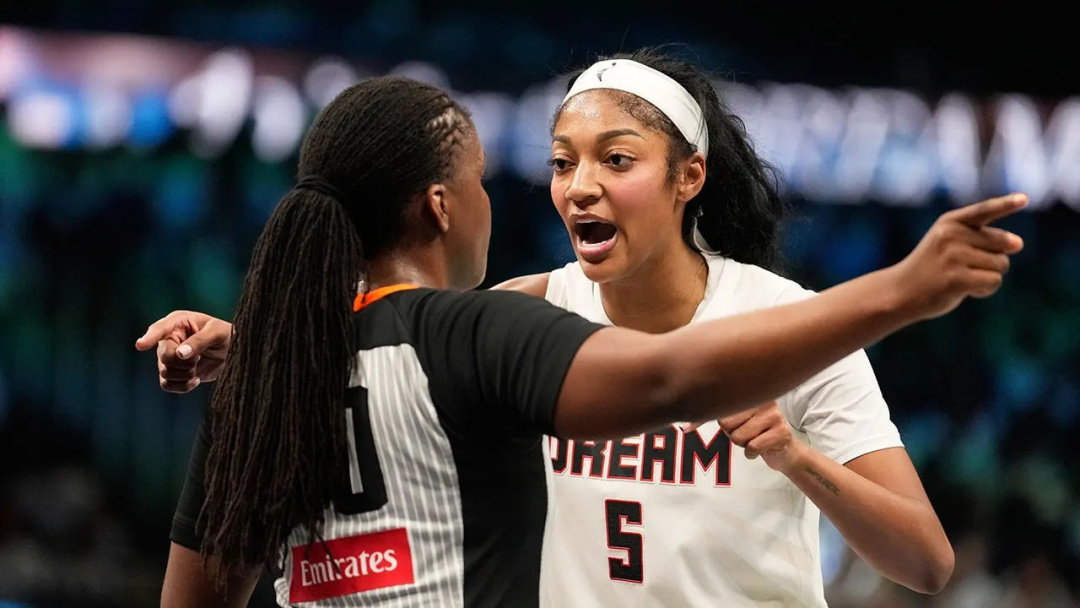
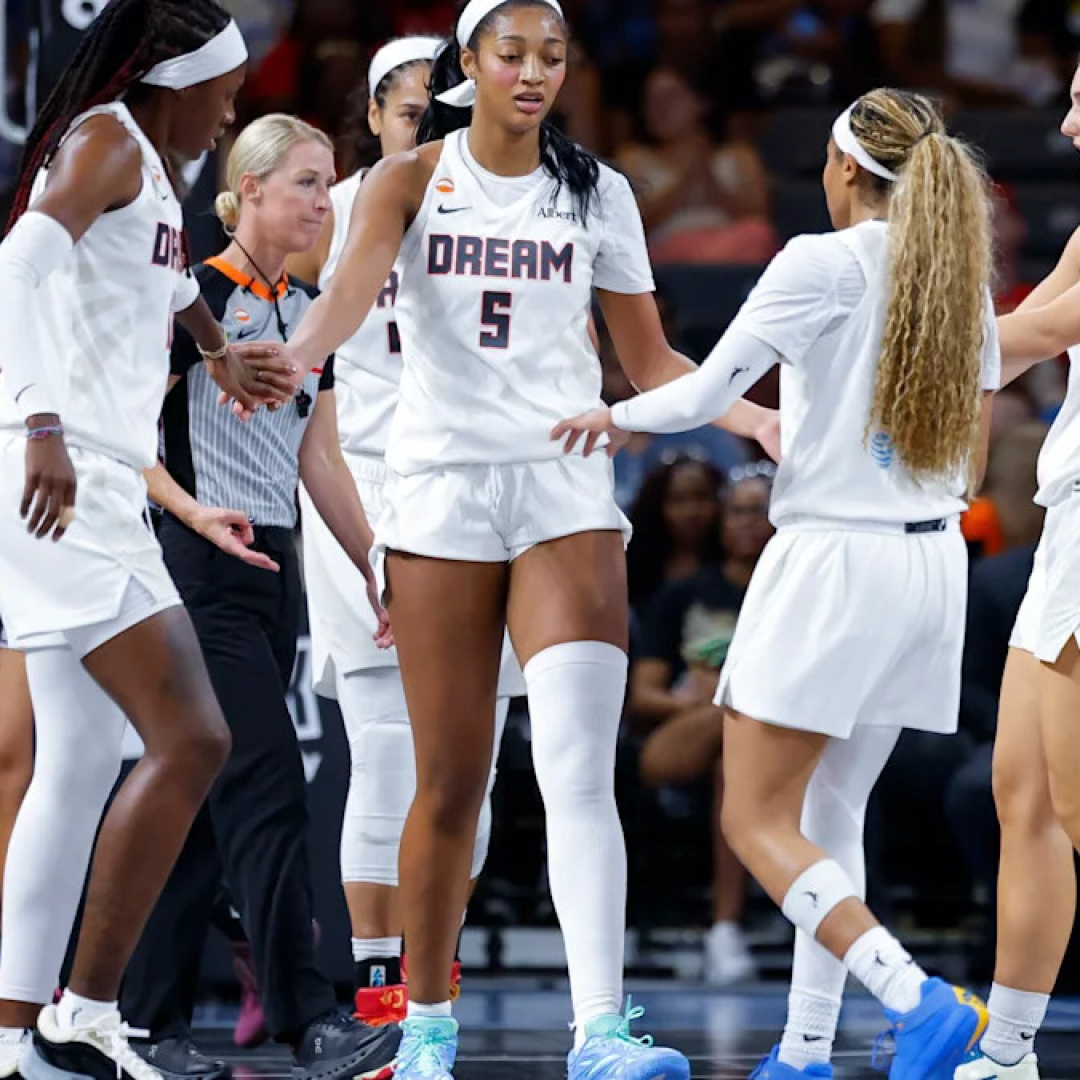
Caitlin Clark's Absence Highlights WNBA's National Anthem Controversy
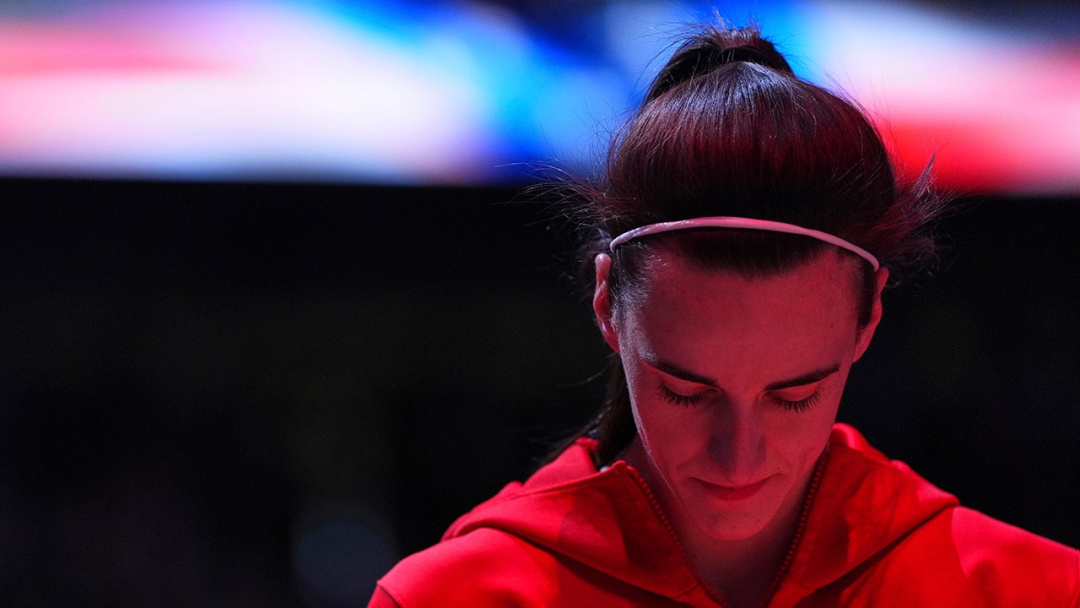
In a bizarre turn of events during Game 4 of the WNBA Finals, players from the Atlanta Dream and Golden State Valkyries left the court moments before the national anthem was played, returning only after it concluded. This unusual routine has been a hallmark of their games throughout the season, yet it went largely unnoticed until now. The absence of Caitlin Clark, a player who has significantly raised the profile of women's basketball, has brought this issue to the forefront.
Caitlin Clark, while not quite the women's basketball equivalent of Tiger Woods, has undeniably transformed the WNBA's visibility. Her ability to draw millions of viewers and secure lucrative endorsement deals with major brands like Nike and Gatorade speaks volumes about her influence. The stark reality is that when Clark is not on the court, the league suffers a noticeable drop in attention and engagement.
Gear for the Game
Sponsor success. Continue reading:
The ongoing national anthem controversy has been a curious subplot in the WNBA this season. Players and coaches from both teams have consistently exited the court before the anthem, yet neither team has publicly clarified the reasoning behind this practice. The silence surrounding their actions is perplexing, especially considering how such a move would have sparked outrage and extensive media coverage had it occurred in the NFL or NBA.
In those leagues, a similar act would likely ignite a nationwide debate, drawing commentary from pundits and possibly even the President. Yet, the WNBA's handling of this situation has been met with a surprising lack of scrutiny. The absence of Clark has made it clear that the league's narrative is heavily dependent on its stars, and without them, even significant controversies can fade into the background.
Scheduling woes exacerbate WNBA's visibility issues
The scheduling of Game 6, potentially the last game of the season, further illustrates the WNBA's challenges. Set for a Thursday at 12:30 p.m. Eastern, the game conflicts with typical work and school hours, raising questions about viewership. This scheduling decision seems even more questionable in the absence of Clark, whose presence would likely have warranted a more favorable time slot.
The Need for Star Power
The national anthem situation is emblematic of a larger issue within the WNBA: the league's struggle to maintain relevance without its marquee players. Clark's absence has not only highlighted the league's dependency on star power but also the broader implications of how women's sports are perceived in the media landscape. As the WNBA navigates this controversy, it becomes increasingly evident that the league needs its stars to shine, lest it remain an afterthought in the sports world.
Caitlin Clark's impact on the WNBA cannot be overstated. Her ability to attract attention and generate excitement around the league is unparalleled. The current national anthem controversy serves as a reminder of how critical she is to the league's visibility. Without her, the WNBA risks becoming a footnote in the broader sports narrative, overshadowed by more prominent leagues and events. As the WNBA moves forward, it must find ways to elevate its stars and ensure that their contributions are recognized, lest they continue to fade into the background.