Koki Ikeda Cleared of Doping Violations, Returns to Competition
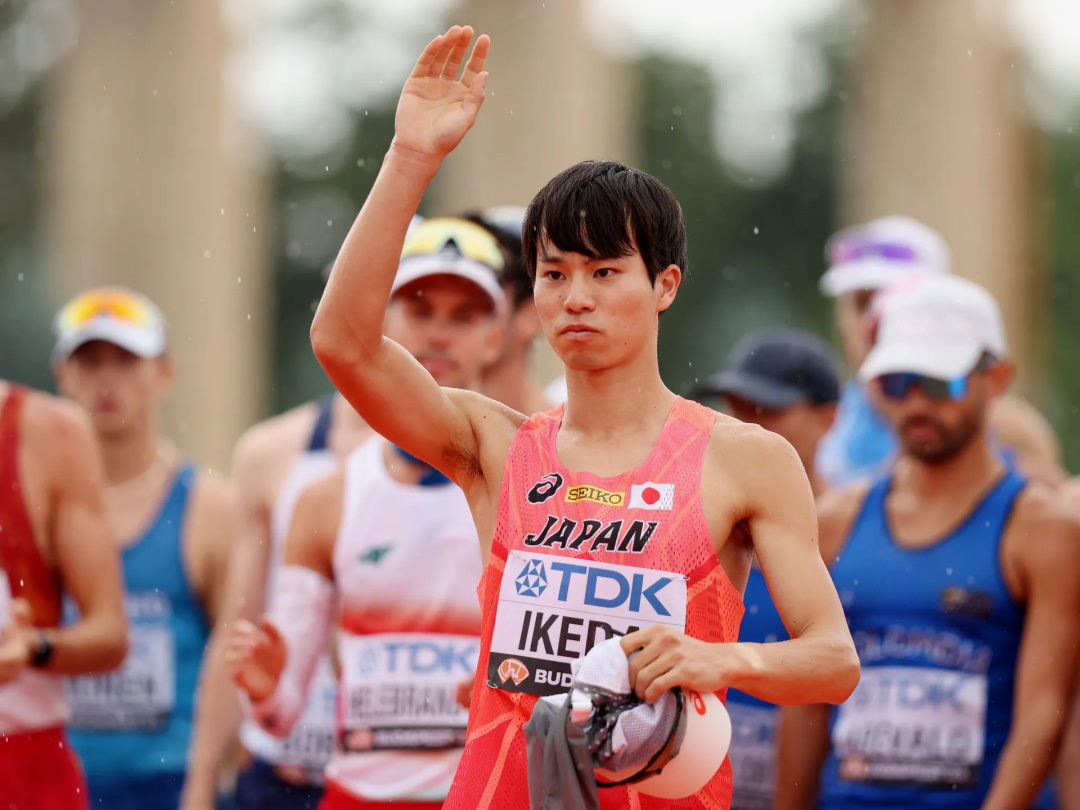
In a significant ruling, the Court of Arbitration for Sport (CAS) has cleared Japanese race walker Koki Ikeda of any doping violations, allowing him to return to competitive athletics immediately. This decision comes after Ikeda appealed against a four-year ban imposed by the Athletics Integrity Unit (AIU) for allegedly using a banned substance. The case highlights the complexities and challenges surrounding anti-doping regulations in athletics.
Ikeda, who won a silver medal in the 20km race walk at the Tokyo Olympics, was provisionally suspended in November 2024. The AIU had sanctioned him in February 2025, claiming he had either used or attempted to use a prohibited drug. This suspension barred him from participating in key events, including the Japan Race Walking Championships, and disqualified all his competitive results from June 20, 2023, to November 1, 2024.
Gear for the Game
Sponsor success. Continue reading:
The doping allegations stemmed from abnormalities detected in Ikeda's Athlete Biological Passport, which raised suspicions of blood manipulation. However, Ikeda contested these claims, asserting that there was a reasonable explanation for the irregularities in his biological profile. His appeal was heard by a CAS panel in Lausanne in May 2025, where he presented substantial medical evidence to support his case.
While the CAS panel acknowledged that some of the readings in Ikeda's biological profile were indeed abnormal, they concluded that the evidence presented by Ikeda provided a broader context than what was available during the initial proceedings. Ultimately, the panel found that the anti-doping charge had not been sufficiently established, leading to the overturning of the four-year ban.
Questions arise over anti-doping fairness
This ruling not only reinstates Ikeda's eligibility to compete but also raises questions about the effectiveness and fairness of current anti-doping measures. The case underscores the importance of thorough investigations and the need for clear evidence before imposing severe sanctions on athletes.
Contrasting cases highlight doping enforcement disparities
In a related development, Ethiopian marathon runner Ruti Aga has been handed a six-year ban for doping violations, including the use of methylprednisolone, a prohibited substance. The AIU's decision to impose such a lengthy ban on Aga, who misled investigators and submitted false documentation, contrasts sharply with Ikeda's case, highlighting the varying outcomes in doping cases based on the evidence presented.
As Ikeda prepares to return to the track, the implications of this ruling will resonate throughout the athletics community, prompting discussions about the balance between athlete rights and the integrity of sport. The CAS ruling serves as a reminder of the complexities involved in doping cases and the critical need for fair processes in adjudicating such matters.