Netflix's UFC Negotiation Rights: A Missed Opportunity
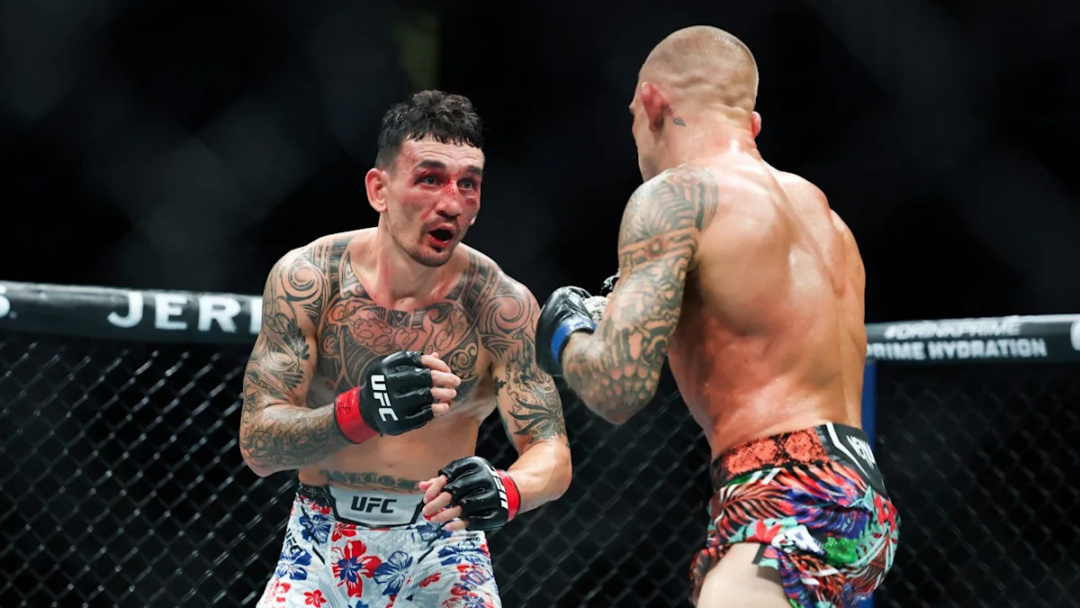
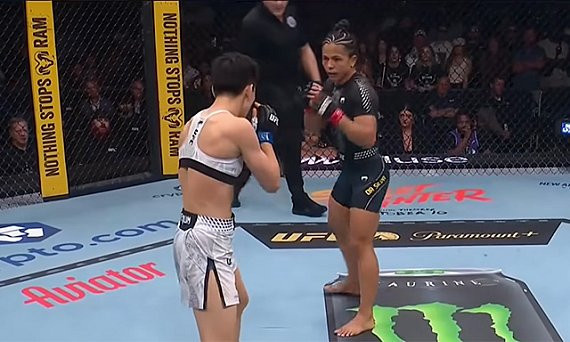
Just over a year ago, the newly combined Paramount and Skydance made waves in the sports media landscape by securing exclusive rights to all UFC fights for the next seven years, a deal valued at over $1 billion annually. However, prior to this significant acquisition, the prevailing expectation was that UFC would land on Netflix, given the streaming giant's existing relationship with TKO, UFC's parent company, which allowed Netflix to air WWE Raw every Monday night.
The rationale behind this assumption was sound. UFC's event-based fight cards seemed to align perfectly with Netflix's strategy for live sports. As it turns out, Netflix not only expressed a genuine interest in acquiring UFC rights but also held the first right to negotiate with TKO before any other company, as revealed in recently unredacted court filings by wrestling reporter Brandon Thurston.
Gear for the Game
Sponsor success. Continue reading:
These filings indicated that Netflix's media rights deal with WWE included a right of first negotiation for UFC domestic rights. Ultimately, those rights were awarded to Paramount, leaving Netflix's ambitions unfulfilled. Shortly after the announcement of the UFC-Paramount deal, TKO president Mark Shapiro disclosed that negotiations with Netflix had progressed significantly, but the streamer opted not to pursue the volume of UFC content that Paramount was willing to license. Shapiro noted that Netflix was primarily interested in the numbered UFC cards featuring the promotion's top fights, while lesser events like Fight Night and Dana White's Contender Series were to be sold elsewhere.
This revelation about Netflix's first-negotiation clause is particularly ironic, especially considering that many analysts believe the platform needs to pivot towards regularly scheduled live sports to combat declining engagement metrics. Recently, Netflix made headlines by firing Bela Bajaria, its content chief and a key architect of the event-based sports strategy. The company is reportedly exploring a partnership with Fox One to integrate Fox's live sports and news content into its platform. Additionally, some analysts suggest that Netflix should consider acquiring NBCUniversal after its spinoff from Comcast to bolster its live sports portfolio.
Netflix's shifting strategy for live sports
While it's uncertain how a UFC deal would have impacted Netflix's engagement challenges, the timing of this news is intriguing, as many anticipate a shift in Netflix's approach to live sports. The missed opportunity to secure UFC rights underscores the competitive nature of sports media rights and the strategic decisions that streaming platforms must navigate in an evolving landscape.
The implications of Netflix's missed UFC deal
The fallout from Netflix's inability to secure UFC rights may have broader implications for the streaming giant. As competition intensifies in the streaming market, the need for compelling live sports content becomes increasingly critical. The UFC's popularity and the potential for high viewership could have provided Netflix with a significant boost in engagement, particularly as it seeks to attract and retain subscribers in a crowded marketplace.
Moreover, the revelation of Netflix's first-negotiation rights raises questions about the effectiveness of its current strategy. With the landscape of sports media constantly shifting, Netflix must reassess its approach to live sports and consider how it can better position itself to capitalize on lucrative opportunities. As the company navigates these challenges, the lessons learned from the UFC negotiations may inform its future decisions in the competitive realm of sports broadcasting.