NIL and Transfer Portal Reshape College Football's Competitive Landscape
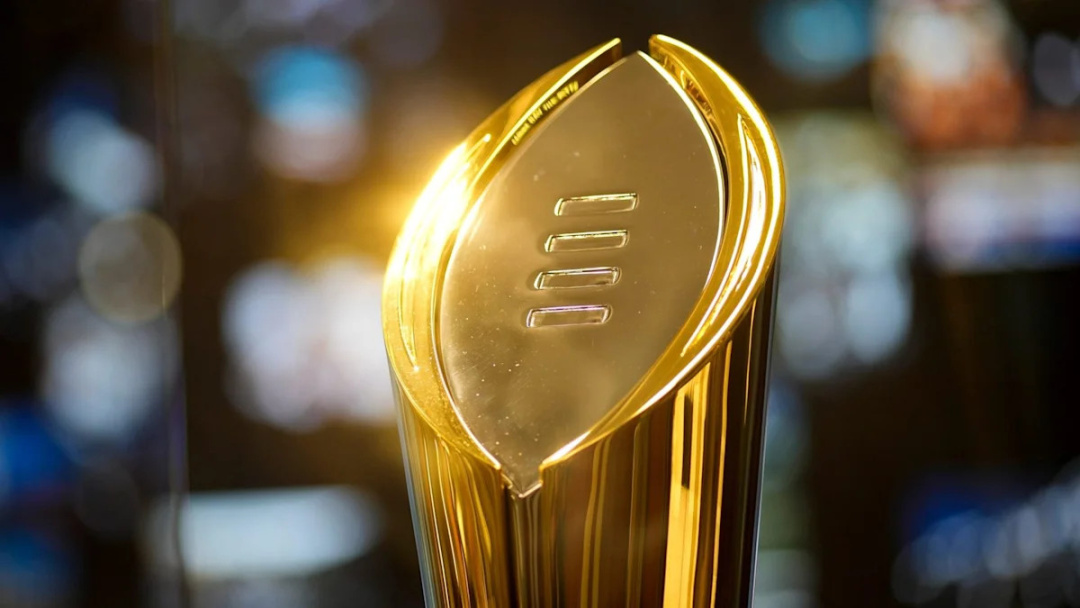
For decades, college football operated under an unofficial understanding that a handful of programs would dominate recruiting, with the same names consistently at the top of the rankings. While that hierarchy hasn’t completely vanished, it is now less secure than ever.
Recent events have underscored this shift. The 2nd-ranked BYU Cougars fell to the UCF Knights in double overtime, the 6th-ranked Texas Tech Red Raiders lost to the Cincinnati Bearcats, and three other unranked teams defeated ranked opponents. This marked the third consecutive week that a top-two team has lost to an unranked opponent, highlighting the increasing unpredictability of the sport.
Gear for the Game
Sponsor success. Continue reading:
Upsets have always been part of college football, but the environment in which they occur is undergoing significant change. Players today enjoy greater freedom to move between programs, and financial opportunities have transformed how schools compete for talent. This results in a sport where established advantages still matter, but maintaining them has become more challenging.
The introduction of Name, Image, and Likeness (NIL) opportunities has fundamentally altered the relationship between college athletes and the schools they represent. Coupled with the transfer portal, NIL has given players more options and programs a new avenue to reshape their rosters. For instance, instead of spending years developing a backup quarterback, a program can now pursue an experienced starter from another school. Players who struggle to find playing time can seek better opportunities elsewhere, while coaches can fill roster gaps without waiting for an incoming recruiting class to develop.
Despite the advantages that wealthier programs continue to possess—such as better facilities, top-tier coaching staff, and the ability to attract high-profile recruits—NIL has provided other programs with more tools to close the gap. Money alone won’t transform a struggling team into a contender, but the right transfers and strategic roster decisions can significantly accelerate a rebuild. Traditional powerhouses still hold an edge, but they can no longer take that advantage for granted.
Beyond NIL: The complexities of college football's chaos
While it’s easy to attribute every upset to NIL or the transfer portal, such a view is overly simplistic. Factors like injuries, coaching decisions, player performance, and the inherent variability of week-to-week matchups all contribute to the chaos of college football. A single Saturday filled with unexpected results doesn’t definitively prove that the sport has achieved greater competitive balance.
However, the new system does afford programs more ways to address weaknesses and grants players the freedom to find situations where they can thrive. These changes can make established hierarchies less predictable without necessarily leveling the playing field entirely. College football doesn’t require every program to have an equal chance of winning a national championship, but it does benefit from having more teams with a realistic path to challenge the established blue-bloods of the sport.
Unpredictability reshapes fan expectations in college football
Fans outside the usual championship conversation may feel the most significant impact. When a program can enhance its roster without waiting several recruiting cycles, a disappointing season doesn’t automatically lead to years of rebuilding. Traditional blue-bloods also find themselves with less room for complacency; a strong recruiting class can quickly become a liability if players choose to leave, and a famous program’s reputation won’t automatically resolve issues on the field.
Ultimately, college football will always feature a divide between the haves and have-nots. The difference now is that the gap appears more susceptible to change than it once was, and for fans, that uncertainty might just be the most exciting development of all.